Support our educational content for free when you purchase through links on our site. Learn more
🏆 10 Secrets to Master Athletic Brand Community Building (2026)


Remember the first time you crossed a finish line, only to be swarmed by strangers high-fiving you and shouting your name? That electric rush wasn’t just about the sweat; it was about belonging. For decades, athletic brands treated customers like ATMs, but the game has changed. Today, the most powerful brands aren’t selling shoes or leggings; they are selling tribes.
In this deep dive, we’re pulling back the curtain on how giants like Nike, Lulemon, and CrossFit turned casual buyers into raving fanatics. We’ll dissect the 10 proven strategies that transform a transactional relationship into a lifelong bond, explore the psychology behind why we crave connection in our workouts, and reveal the common pitfalls that kill communities faster than a bad squat form. Whether you’re a startup founder or a marketing veteran, you’ll discover why the future of sports isn’t about the product—it’s about the people.
Key Takeaways
- Community > Advertising: 92% of consumers trust peer recommendations over traditional ads; your customers are your most effective marketing channel.
- The 10-Step Blueprint: We reveal 10 actionable strategies to build a thriving community, from gamifying fitness journeys to leveraging micro-influencers.
- Digital Mets Analog: The most successful brands create a seamless loop where online engagement drives real-world meetups and vice versa.
- Authenticity is Currency: Brands that listen, adapt, and empower their members to lead foster deeper loyalty than those that simply broadcast messages.
- Future-Proof Your Brand: By shifting from a product-centric to a people-centric model, you build a defensible moat that competitors can’t easily copy.
Table of Contents
- ⚡️ Quick Tips and Facts
- 🏛️ From Garage to Global: The History of Athletic Brand Community Building
- 🧠 The Psychology of the Sweat: Why Athletes Crave Belonging
- 🚀 10 Proven Strategies for Building a Thriving Athletic Brand Community
- 1. Define Your Tribe’s Core Values and Mission
- 2. Leverage User-Generated Content (UGC) Like a Pro
- 3. Host Exclusive In-Person and Virtual Events
- 4. Gamify the Fitness Journey with Challenges
- 5. Partner with Micro-Influencers and Local Coaches
- 6. Create a Dedicated Mobile App for Engagement
- 7. Foster Peer-to-Peer Support Networks
- 8. Implement a Loyalty Program That Rewards Activity
- 9. Utilize Data Analytics to Personalize Experiences
- 10. Listen, Adapt, and Evolve with Your Community
- 📱 Digital vs. Analog: Balancing Online Platforms and Real-World Meetups
- 🤝 Case Studies: How Nike, Lulemon, and CrossFit Mastered Community
- 🛠️ The Toolkit: Essential Software and Platforms for Community Managers
- ⚠️ Common Pitfalls: What Kills Athletic Brand Communities Fast
- 💡 Quick Tips and Facts
- 🏁 Conclusion
- 🔗 Recommended Links
- ❓ FAQ
- 📚 Reference Links
⚡️ Quick Tips and Facts
Before we lace up and dive into the deep end of community building, let’s hit the pause button for a few rapid-fire truths that separate the brands that survive from the ones that thrive.
- The 92% Rule: According to Nielsen, 92% of consumers trust recommendations from friends and family over traditional advertising. Your community is your most valuable ad agency.
- Retention is King: Brands with robust communities boast customer retention rates 3x higher than those relying solely on transactional relationships.
- It’s Not a Campaign, It’s a Lifestyle: As Tom Dievart notes, community isn’t a one-off marketing push; it’s a “living, breathing extension of your brand’s DNA.”
- The Pyramid of Loyalty: You don’t just want an “active audience”; you want a “connected community.” The goal is to move people from casual observers to raving fans who interact with each other, not just your brand.
- Gen Z & Millennials: These demographics are more likely to join a movement than buy into a message. If your brand doesn’t stand for something beyond the product, you’re already behind.
For a deeper dive into how these principles apply to real-world gear, check out our comprehensive guide on Athletic Brands.
🏛️ From Garage to Global: The History of Athletic Brand Community Building

Ever wonder how a small yoga studio in Vancouver turned into a global empire? Or how a running shoe company became a religion? It wasn’t just about better foam or shinier logos. It was about community.
The history of athletic brand community building is a tale of evolution from product-centric to people-centric.
The Early Days: The “Club” Mentality
In the mid-20th century, brands like Adidas and Nike were born out of the need for performance gear. The “community” was implicit: you wore the shoes, you ran the race, you were part of the club. But it was passive. The brand spoke; the athlete listened.
The Shift: The Rise of the “Tribe”
Fast forward to the 90s and 20s. CrossFit changed the game. They didn’t just sell WODs (Workout of the Day); they sold a lifestyle. They created “boxes” (gyms) that were local hubs, fostering intense peer-to-peer bonds. Suddenly, the brand wasn’t the hero; the athlete was.
The Digital Revolution
With the advent of social media, the barrier to entry shattered. Brands like Gymshark exploded by leveraging User-Generated Content (UGC) and micro-influencers. They realized that a 20-year-old fitness enthusiast with 10k followers could drive more sales than a traditional celebrity endorsement.
Key Insight: The future of sports branding is no longer broadcast—it’s deeply personal, participatory, and powered by emotion.
Today, the most successful brands are those that act as platforms rather than just manufacturers. They provide the tools, the space, and the encouragement, but the community writes the story.
🧠 The Psychology of the Sweat: Why Athletes Crave Belonging
Why do we run in packs? Why do we post our PRs (Personal Records) on Instagram? It’s not just vanity; it’s biology.
The Dopamine of Connection
When you share a workout and get a “like” or a comment, your brain releases dopamine. But the real magic happens when you connect with someone else who understands the struggle of a 5 AM run or the burn of a final set. This creates a sense of belonging, a fundamental human need.
Identity and Self-Concept
For many, being an “athlete” is a core part of their identity. When a brand validates that identity, it creates a powerful emotional bond.
- Nike says: “Just Do It.” (You are an athlete.)
- Lulemon says: “Sweat Life.” (You are part of a mindful community.)
- Peloton says: “You’re not alone.” (You are part of a global family.)
The “Us vs. Them” Dynamic
Healthy communities often define themselves by what they are not. This isn’t about being mean; it’s about shared values. Whether it’s the minimalist runner vs. the maximalist, or the CrossFitter vs. the gym-goer, these distinctions help members feel seen and understood.
Question: But how do you actually build this psychological bond without sounding like a corporate robot? We’ll get to the nitty-gritty strategies in the next section.
🚀 10 Proven Strategies for Building a Thriving Athletic Brand Community
Ready to stop guessing and start growing? Here are 10 actionable strategies that have turned niche brands into household names. These aren’t just theories; they are battle-tested tactics from the trenches of the athletic world.
1. Define Your Tribe’s Core Values and Mission
You can’t build a community if you don’t know who you’re building it for. Is your brand about grit? Mindfulness? Speed?
- Action: Create a Manifesto. Not a mission statement for investors, but a declaration of beliefs for your customers.
- Example: Patagonia doesn’t just sell jackets; they fight for the planet. Their community rallies around environmental activism.
2. Leverage User-Generated Content (UGC) Like a Pro
Your customers are your best marketers. They trust each other more than they trust your ads.
- Action: Create a branded hashtag (e.g., #TheSweatLife) and feature real customers on your main feed.
- Pro Tip: Don’t just repost; engage. Comment, ask questions, and make them feel heard.
- Source: Lulemon’s UGC Strategy
3. Host Exclusive In-Person and Virtual Events
The “store as a hub” model is alive and well.
- Action: Host free 5K runs, yoga classes, or training workshops.
- Virtual Twist: Use platforms like Zoom or Twitch for live workout sessions.
- Case Study: World Gym increased member engagement by 40% by rolling out localized wellness workshops and personalized training.
4. Gamify the Fitness Journey with Challenges
Humans love to win. Turn your community into a game.
- Action: Create 30-day challenges (e.g., “Run 10 Miles in July”).
- Tech: Use apps to track progress and award digital badges or real-world prizes.
- Insight: IRONMAN created a certification platform that turned coaches into community champions, creating a cycle where customers became advocates.
5. Partner with Micro-Influencers and Local Coaches
Forget the mega-celebrities. You want the local heroes.
- Action: Identify the top 10 trainers in your city and give them free gear in exchange for hosting events.
- Why: They have higher trust and engagement rates.
- Link: Explore our Brand Spotlights to see how local partnerships work.
6. Create a Dedicated Mobile App for Engagement
Your app should be the digital headquarters of your community.
- Action: Include features like leaderboards, social feeds, and event registration.
- Example: Strava is the gold standard here, turning every run into a social event.
7. Foster Peer-to-Peer Support Networks
The best support comes from peers, not the brand.
- Action: Create forums, Facebook groups, or Discord servers where members can ask for advice, share struggles, and celebrate wins.
- Rule: The brand should facilitate, not dominate. Let the community lead.
8. Implement a Loyalty Program That Rewards Activity
Move beyond “buy 10, get 1 free.” Reward engagement.
- Action: Give points for attending events, posting photos, or referring friends.
- Result: This shifts the focus from transaction to relationship.
9. Utilize Data Analytics to Personalize Experiences
One size does not fit all.
- Action: Use CRM data to segment your audience. Send yoga content to yoga buyers and running tips to runners.
- Tech: Tools like Klaviyo or Segment can help automate this.
10. Listen, Adapt, and Evolve with Your Community
Your community will tell you what they need. Are you listening?
- Action: Conduct regular surveys, host Q&A sessions, and act on the feedback.
- Quote: “You don’t reinvent a brand. You find its soul and give it room to grow.” — Wilson Sporting Goods
📱 Digital vs. Analog: Balancing Online Platforms and Real-World Meetups
There is a constant tug-of-war in the athletic world: Digital convenience vs. Analog connection. Which wins? The answer is both.
The Digital Advantage
- Scale: You can reach millions instantly.
- Data: You can track every click, like, and share.
- Accessibility: Members can engage from anywhere, anytime.
The Analog Magic
- Depth: Face-to-face interactions create deeper emotional bonds.
- Trust: Seeing a human face builds trust faster than a screen.
- Memorability: A shared sweat session is a memory; a tweet is a moment.
The Hybrid Model: The Best of Both Worlds
The most successful brands, like Lulemon, use digital tools to drive physical traffic.
- Strategy: Use the app to sign up for a local class.
- Strategy: Post a photo from the class online to get featured.
- Result: A seamless loop where digital fuels analog, and analog fuels digital.
Did you know? World Gym saw a 35% increase in franchise sales by providing “plug-and-play” toolkits that allowed local owners to maintain global brand integrity while activating local roots.
🤝 Case Studies: How Nike, Lulemon, and CrossFit Mastered Community
Let’s look at the giants. How did they do it?
Nike: The “Just Do It” Ecosystem
Nike didn’t just sell shoes; they sold aspiration.
- Strategy: The Nike Run Club (NRC) app. It’s not just a tracker; it’s a social network.
- Tactic: Guided runs with famous athletes (like Serena Williams) make users feel like they are training with the pros.
- Result: A global community of millions who feel part of the “Nike Family.”
Lulemon: The “Sweat Life” Hub
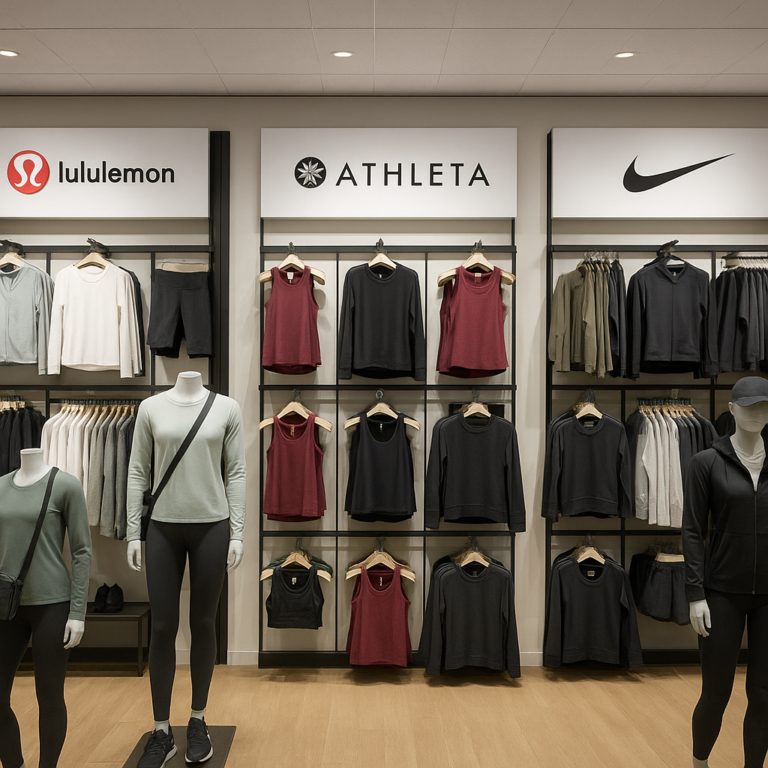
Lulemon turned stores into community centers.
- Strategy: Free in-store yoga classes led by local instructors.
- Tactic: The Sweat Collective program, offering discounts to fitness pros, turning them into brand ambassadors.
- Result: A loyal customer base that views the brand as a lifestyle partner, not just a clothing retailer.
CrossFit: The “Box” Culture
CrossFit is the ultimate example of tribal loyalty.
- Strategy: Decentralized ownership. Each “box” is unique but shares the core methodology.
- Tactic: The “WOD” (Workout of the Day) creates a shared daily experience for millions.
- Result: A community so strong that members will travel to compete in the CrossFit Games.
Comparison Table: Community Strategies
| Brand | Core Strategy | Key Platform | Community Vibe |
|---|---|---|---|
| Nike | Aspiration & Performance | NRC App | Competitive, Inspiring |
| Lulemon | Lifestyle & Wellness | In-Store Events | Mindful, Supportive |
| CrossFit | Shared Struggle & Identity | The Box (Gym) | Intense, Tribal |
| Peloton | Connection & Consistency | Live Classes | Encouraging, Global |
🛠️ The Toolkit: Essential Software and Platforms for Community Managers
You can’t build a community with a hammer and a nail. You need the right tech stack. Here are the tools the pros use:
1. Community Management Platforms
- Discord: Perfect for real-time chat and organizing sub-groups. Great for gaming and niche sports.
- Circle.so: A modern alternative to Facebook Groups, offering courses and events.
- Mighty Networks: Ideal for creating paid communities with courses and events.
2. Event Management
- Eventbrite: The standard for ticketing and registration.
- Meetup: Great for finding local groups and hosting casual meetups.
3. Content & UGC
- Trello/Asana: For planning content calendars.
- Later/Buffer: For scheduling social media posts.
- TINT: Agregates UGC from social media to display on your website.
4. Analytics & CRM
- HubSpot: For managing customer data and email marketing.
- Google Analytics: To track website traffic and user behavior.
Pro Tip: Don’t get overwhelmed. Start with one platform (like a Facebook Group or Discord) and master it before adding more.
⚠️ Common Pitfalls: What Kills Athletic Brand Communities Fast
Building a community is hard. Breaking one is easy. Here are the deadly sins of community building:
1. Ignoring the “Noise”
If you launch a community and then disappear, it will die. You must be present.
- Fix: Dedicate time daily to respond to comments and start conversations.
2. Focusing on Sales, Not Value
If every post is “Buy this, Buy that,” people will leave.
- Fix: Follow the 80/20 rule. 80% value (tips, inspiration, stories), 20% promotion.
3. Being Too Controlled
If you censor every negative comment or try to control the narrative, you kill authenticity.
- Fix: Allow healthy debate. Let the community self-moderate.
4. Neglecting the “Insiders”
Your superfans are your lifeline. If you ignore them, they will leave.
- Fix: Create an “Inner Circle” program with exclusive perks for your most active members.
5. Inconsistency
Posting once a month and then spaming for a week is a recipe for disaster.
- Fix: Create a consistent content calendar and stick to it.
Remember: As the video we discussed earlier highlighted, true community involves members interacting with each other. If you are the only one talking, you don’t have a community; you have a broadcast channel.
💡 Quick Tips and Facts (Recap)
Just in case you missed the first one (or needed a refresher), here are the golden rules to keep in mind:
- Authenticity is non-negotiable.
- Listen more than you speak.
- Celebrate the small wins.
- Empower your members to lead.
- Community is a flywheel, not a funnel.
🏁 Conclusion

So, we’ve journeyed from the garage to the global stage, explored the psychology of the sweat, and dissected the strategies of the giants. But here’s the million-dollar question: Is it too late for a new brand to build a community?
Absolutely not. In fact, it’s the best time. The market is saturated with products, but it’s starving for connection. The brands that win in the next decade won’t be the ones with the best ads; they’ll be the ones with the best stories and the strongest tribes.
As we saw with IRONMAN and World Gym, the shift from “product provider” to “community platform” is the ultimate competitive advantage. It’s defensible, it’s scalable, and it’s deeply human.
Our Confident Recommendation:
If you are an athletic brand, stop thinking about “marketing” and start thinking about hosting. Stop trying to “sell” and start trying to serve. Build a space where your customers can be their best selves, and the sales will follow.
The future of athletic branding isn’t about what you sell; it’s about who you are together.
🔗 Recommended Links
Ready to take action? Here are the tools and resources we recommend to get your community building journey started.
For Community Management & Events:
- 👉 Shop Community Management Tools: Eventbrite | Mighty Networks | Circle.so
- 👉 Shop Social Media Scheduling: Buffer | Later
For Fitness Gear & Inspiration:
- 👉 Shop Nike Running Gear: Nike Running | Nike Official
- 👉 Shop Lulemon Activewear: Lulemon on Amazon | Lulemon Official
- 👉 Shop CrossFit Apparel: CrossFit on Amazon | CrossFit Official
For Further Reading:
- Book: Community: The Structure of Belonging by Peter Block – Available on Amazon
- Book: The Power of Community by John C. Maxwell – Available on Amazon
❓ FAQ

How can athletic brands leverage user-generated content to build community?
Brands can leverage User-Generated Content (UGC) by creating branded hashtags, running photo contests, and featuring customer stories on official channels. This not only provides social proof but also makes customers feel valued and seen. When a brand reposts a customer’s workout photo, it validates their effort and encourages others to share, creating a virtuous loop of engagement.
Read more about “12 Small Fitness Brands on Instagram You Need to Follow in 2026 💪”
What are the best social media strategies for engaging fitness enthusiasts?
The best strategies involve authenticity and interaction. Instead of polished, corporate posts, share behind-the-scenes content, raw workout clips, and real stories. Use Rels and TikTok to show the “grind” and the “glory.” Most importantly, reply to comments and DMs. Fitness enthusiasts crave connection, not just content.
Read more about “What Is the Most Popular Brand of Clothing? Top 25 Revealed (2025) 👕”
How do loyalty programs strengthen the bond between athletes and brands?
Traditional loyalty programs reward purchases, but modern ones reward engagement. By offering points for attending events, sharing workouts, or referring friends, brands shift the focus from transaction to relationship. This creates a sense of ownership and belonging, making the customer feel like a partner in the brand’s journey.
What role do local running clubs play in brand community growth?
Local running clubs are the heartbeat of a brand’s community. They provide a physical space for connection, turning a digital following into a real-world tribe. Brands that sponsor or support these clubs gain trust and visibility in a way that digital ads cannot match. They become the “local hero” in the community.
Read more about “Activewear Market Analysis 2025: 10 Game-Changing Insights 🚀”
How can brands use influencer partnerships to foster authentic connections?
Brands should move away from mega-celebrities and focus on micro-influencers and local coaches. These individuals have higher engagement rates and deeper trust with their followers. By empowering them to create content and host events, brands can tap into authentic conversations and build credibility from the ground up.
What events are most effective for creating a sense of belonging in sports communities?
Events that encourage participation and shared struggle are most effective. This includes group runs, charity challenges, and skill-building workshops. The key is to design events where the focus is on the experience and the people, not just the brand. When people sweat together, they bond.
How do digital apps help athletic brands maintain daily engagement with their audience?
Apps provide a daily touchpoint that keeps the brand top-of-mind. Features like leaderboards, challenges, and social feeds turn solitary activities into shared experiences. By gamifying the fitness journey, apps keep users engaged even when they aren’t in a store or at an event.
Why is “belonging” more important than “awareness” for modern brands?
In a crowded market, awareness is cheap; belonging is priceless. Awareness gets you noticed, but belonging gets you retained. When customers feel like they belong to a tribe, they become advocates, driving organic growth and long-term loyalty. As Tom Dievart said, “Community is not a campaign… it’s a living, breathing extension of your brand’s DNA.”
📚 Reference Links
- Nike: Nike Official Website
- Lulemon: Lulemon Official Website
- CrossFit: CrossFit Official Website
- Strava: Strava Official Website
- Wilson Sporting Goods: Wilson Official Website
- Technogym: Technogym Official Website
- World Gym: World Gym Official Website
- IRONMAN: IRONMAN Official Website
- Nielsen: Trust in Advertising Report
- Tom Dievart: New Playbook for Sports Brand Community Building
- Contact Pigeon: The Lulemon Marketing Strategy: Building a Niche, Athletic Brand
- Internal Link: Athletic Brand Guides
- Internal Link: Brand Spotlights
- Internal Link: Fashion and Athletic Crossover