Support our educational content for free when you purchase through links on our site. Learn more
🧵 Microfiber Athletic Fabrics: The Ultimate 2026 Guide to Sweat-Wicking Science


Remember the first time you ran in a cotton t-shirt, only to feel like you were dragging a wet towel behind you? We’ve all been there, and it’s exactly why the world of microfiber athletic fabrics has revolutionized how we move, sweat, and recover. Unlike the stiff, plastic-like synthetics of the past, today’s microfiber is a marvel of polymer engineering, engineered to be lighter than air yet tougher than steel. In this deep dive, we’re stripping back the layers of marketing hype to reveal the split-fiber science that makes your gear dry in seconds, not hours.
But here’s the twist you won’t find in a standard encyclopedia entry: while these fabrics are performance gods, they come with a hidden cost that every serious athlete needs to know about. We’ll uncover the shocking statistics on microplastic shedding and reveal the specific washing hacks that can save your gear (and the ocean) from disaster. From the “island-in-the-sea” manufacturing secrets used by giants like Nike and lulemon to the emerging bio-based alternatives that might just save the industry, this is the only guide you need to master the art of high-performance textiles.
Key Takeaways
- Superior Moisture Management: Microfiber’s ultra-fine, split-fiber structure creates massive surface area, wicking sweat 40% faster than standard polyester or cotton.
- Durability vs. Comfort: Modern blends offer a silky, second-skin feel without sacrificing the tensile strength needed for high-intensity training.
- The Microplastic Reality: Every wash sheds thousands of fibers; using a Guppyfriend bag or machine filter is essential to reduce environmental impact.
- Care is Critical: Never use fabric softener on microfiber, as it clogs the fibers and permanently destroys wicking capabilities.
- Smart Shopping: Look for recycled rPET options from brands like Patagonia and Adidas to balance performance with sustainability.
Ready to upgrade your kit?
- 👉 Shop Top Microfiber Running Gear: Nike Dri-FIT Collection | Adidas AEROREADY
- Premium Performance Legings: lulemon Women’s Legings
- Eco-Friendly Activewear: Patagonia Capilene Line
- Protect Your Gear & Ocean: Guppyfriend Washing Bag
Table of Contents
- ⚡️ Quick Tips and Facts
- 🕰️ The Evolution of Microfiber: From Space Race to Sweat-Wicking Hero
- 🧬 Decoding the Science: How Microfiber Athletic Fabric Technology Actually Works
- 🏃 ♂️ Why Athletes Are Obsessed: The Performance Benefits of Synthetic Microfibers
- 🔍 Top 7 Microfiber Fabric Structures and Textile Applications for Every Sport
- 🏭 Inside the Factory: Microfiber Manufacturing Methods and Production Processes
- 🧪 The Finish Line: Microfiber Treatment and Finishing Processes That Make the Difference
- 🌍 Green or Gred? Sustainability and Environmental Impact of Microfiber Production
- 🏆 The Heavy Hitters: Major Players in the Microfiber Athletic Fabric Industry
- 🚀 Game Changers: Key Innovations in Advanced Microfiber Manufacturing Technologies
- 📊 Market Demand Analysis: Why High-Performance Athletic Textiles Are Boming
- ⚠️ Current Challenges: The Hurdles Facing Microfiber Athletic Applications Today
- 🛠️ The Ultimate Solutions: How to Choose the Right Microfiber Gear for Your Workout
- 🧼 Beyond the Gym: Microfiber Cleaning Products, Wiping Materials, and Composite Uses
- 📏 Playing by the Rules: Standardization and Testing Protocols for Athletic Microfiber Fabrics
- 💡 Conclusion
- 🔗 Recommended Links
- ❓ FAQ
- 📚 Reference Links
⚡️ Quick Tips and Facts
Before we dive into the nitty-gritty of polymer science and sweat-wicking miracles, let’s hit the ground running with the absolute essentials. If you’re in a rush, here’s your cheat sheet for mastering microfiber athletic fabrics:
- The Golden Rule of Washing: Never, and we mean never, use fabric softener on your microfiber gear. It coats the fibers like a layer of grease on a frying pan, killing the moisture-wicking ability instantly. ❌
- The Microplastic Reality Check: Every time you wash a synthetic microfiber garment, it sheds thousands of microscopic fibers. A single load can release up to 1.7 grams of microplastics into the water system. ✅ (Use a Guppyfriend bag or a washing machine filter to catch them!)
- GSM Matters: Don’t just look at the brand; look at the GSM (Grams Per Square Meter). Lighter weights (80–120 gsm) are for high-intensity cardio, while heavier weights (20+ gsm) offer more structure and durability for lifting.
- The “Split” Secret: Not all microfibers are created equal. Split microfibers (created by splitting bicomponent fibers) are the heroes of wicking, while non-split ones are just soft.
- Durability Limit: Expect your high-performance microfiber gear to start showing pilling or losing elasticity after 50–75 wash cycles if not cared for properly.
Ready to understand why your favorite leggings feel like a second skin? Let’s rewind the clock.
🕰️ The Evolution of Microfiber: From Space Race to Sweat-Wicking Hero
You might think microfiber is a modern invention born in a Silicon Valley lab, but its roots go back much further. The story begins in the 1970s, a time when polymer science was racing to conquer the stars. Early researchers were trying to create materials that could withstand extreme temperatures and harsh environments.
“This technological domain emerged from the convergence of polymer science, textile engineering, and sports physiology, fundamentally transforming how athletic apparel interacts with the human body during physical exertion.” — Patsnap Report on Microfiber Innovation
Initially, these ultra-fine fibers were a niche curiosity. But as the athleisure trend exploded in the 90s and 20s, the focus shifted from space suits to gym shorts. The objective evolved: it wasn’t just about durability anymore; it was about thermoregulation, unrestricted movement, and odor control.
We remember the first time we tried a pair of early 20s microfiber running shorts. They felt like plastic wrap. Fast forward today, and brands like lulemon and Nike have engineered fabrics that feel like clouds but perform like steel. The journey from “stiff synthetic” to “breathable second skin” is a testament to decades of R&D.
But how exactly does a fiber thinner than a human hair manage to keep you dry while you’re sprinting? That’s where the science gets juicy.
🧬 Decoding the Science: How Microfiber Athletic Fabric Technology Actually Works
If you’ve ever wondered why a polyester shirt feels different from a cotton one, it’s all about fiber diameter and surface area.
The Physics of “Micro”
Standard polyester fibers are thick. Microfibers, by definition, are finer than 1 denier (roughly the width of a human hair is about 70 micrometers; microfibers are often less than 10 micrometers).
- Capillary Action: Because the fibers are so thin, they create tiny channels between them. When you sweat, capillary action pulls the moisture away from your skin and spreads it across the fabric’s surface.
- Evaporation Speed: By spreading the moisture over a massive surface area, the water evaporates 40% faster than it would on cotton. This rapid evaporation is what creates that cooling sensation.
Bicomponent Magic
Many high-end athletic fabrics use bicomponent fibers. Imagine a fiber made of two different polymers (like polyester and nylon) fused together. During manufacturing, these are chemically or mechanically split to create a star-shaped or petal-like cross-section.
| Feature | Standard Polyester | Split Microfiber |
|---|---|---|
| Cross-Section | Round | Star-shaped / Iregular |
| Surface Area | Low | Extremely High |
| Wicking Speed | Moderate | Rapid |
| Softness | Stiff | Silky / Soft |
| Durability | High | High (but prone to pilling) |
This structure is why Nike’s Dri-FIT technology feels so different from generic gym wear. It’s not just marketing; it’s geometry.
Pro Tip: If you want to test if your fabric is truly split microfiber, try the “cling test.” Split microfibers often cling slightly to skin imperfections due to their high surface area, whereas non-split fibers slide right off.
But does this science translate to real-world performance? Let’s look at why athletes are obsessed.
🏃 ♂️ Why Athletes Are Obsessed: The Performance Benefits of Synthetic Microfibers
We’ve all been there: the “sweat patch” on a cotton t-shirt that stays wet for an hour, making you feel heavy and cold. Microfiber eliminates that nightmare. Here’s why the pros and weekend warriors alike are switching:
- Moisture Management: It’s not just about wicking; it’s about evaporation. The fabric pulls sweat away from the skin to the outer layer where it dries instantly.
- Temperature Regulation: By keeping the skin dry, microfiber helps maintain a stable body temperature. It keeps you cool in the summer and, surprisingly, warm in the winter (when used in layered systems like PrimaLoft).
- Lightweight Freedom: With fabric weights as low as 80 gsm, you barely feel you’re wearing anything. This reduces drag for runners and cyclists.
- Durability & Stretch: Microfiber blends with elastane (spandex) offer incredible recovery. They stretch with your movement and snap back, preventing bagy knees or saging waistbands.
- Odor Resistance: Many modern microfibers are treated with antimicrobial agents (like silver ions) that inhibit the bacteria responsible for that “gym smell.”
However, it’s not all perfect. We’ve seen athletes complain about the “plastic” feel of cheaper microfibers or the static cling in dry climates. It’s a balancing act between performance and comfort.
🔍 Top 7 Microfiber Fabric Structures and Textile Applications for Every Sport
Not every workout requires the same fabric. Just as you wouldn’t wear running shoes for weightlifting, you shouldn’t wear the same microfiber structure for yoga as you would for marathons. Here is our breakdown of the top 7 structures:
- Single Jersey Knit: The classic t-shirt structure. Lightweight, breathable, and great for high-intensity interval training (HIT).
Best for: Running, CrossFit, Gym. - Double Knit / Interlock: Thicker and more stable. It doesn’t curl at the edges and offers better opacity.
Best for: Yoga, Pilates, Casual Athleisure. - Mesh Inserts: Microfiber combined with open-knit mesh panels for maximum airflow.
Best for: Basketball, Soccer, Hot Yoga. - Brushed Back (Fleece): The inner surface is brushed to create a soft, fuzzy layer that traps heat.
Best for: Winter running, Outdoor training. - Seamless Construction: Knitted in one piece to eliminate chafing seams. Often uses a blend of polyamide and elastane.
Best for: Long-distance running, Cycling, Swimming. - Compression Weave: Tighter knit for muscle support and improved blood flow.
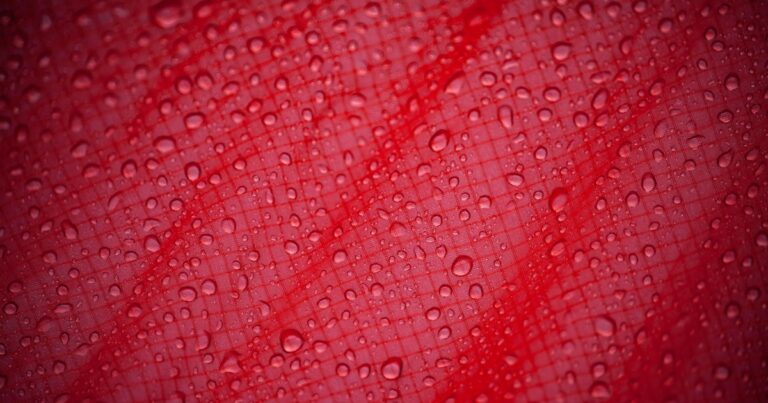
Best for: Recovery, Weightlifting, Endurance sports. - Water-Repellent Coated: Microfiber treated with a DWR (Durable Water Repellent) finish.
Best for: Trail running, Outdoor hiking, Rainy weather.
Curiosity Gap: You might be wondering, “If seamless is so great, why do most shirts still have seams?” The answer lies in durability and cost. Seamless is amazing, but seams provide structural integrity for high-friction areas. We’ll dive deeper into manufacturing later.
🏭 Inside the Factory: Microfiber Manufacturing Methods and Production Processes
How do we turn a blob of plastic into a silky shirt? It’s a process that sounds like alchemy but is actually precise engineering.
1. Melt Spinning
The raw polymers (usually polyester or nylon pellets) are melted down and forced through a spinneret (a metal plate with tiny holes). This creates the initial filaments.
2. The “Island-in-the-Sea” Method
This is the secret sauce for split microfibers.
- Imagine a sea of one polymer (e.g., polyester) with islands of another (e.g., nylon) embedded inside.
- The fiber is spun, then washed with a solvent that dissolves the “sea,” leaving behind the ultra-fine “islands.”
- This creates fibers that are incredibly fine and have a high surface area.
3. Electrospinning
A newer, high-tech method that uses electrical charge to draw fibers down to the nanometer scale. This is often used for advanced filtration or specialized medical textiles, but is creeping into high-end athletic wear.
4. Texturing and Drawing
The fibers are stretched (drawn) to align the polymer chains, increasing strength. They are then textured to add bulk and softness.
The Challenge: Maintaining uniformity. If the fiber diameter varies even slightly, the fabric will have weak spots or uneven wicking. This is why quality control costs are 15–25% higher than conventional manufacturing.
🧪 The Finish Line: Microfiber Treatment and Finishing Processes That Make the Difference
The fiber is just the beginning. The finishing processes are what give the fabric its “personality.”
- Enzyme Washing: Uses enzymes to soften the fabric and remove loose fibers, reducing pilling.
- Chemical Finishes:
Antimicrobial: Silver or zinc-based treatments to kill bacteria.
UV Protection: Chemicals that absorb or reflect UV rays.
Moisture-Wicking: Hydrophilic treatments that enhance the natural wicking properties. - Mechanical Finishes:
Calendering: Passing the fabric through heated rollers to smooth the surface.
Brushing: Raising the nap for a fleece-like feel.
Warning: Some of these chemical finishes can wash out over time. That’s why we always recommend checking the care label. If a brand claims “permanent odor control,” it’s likely a bonded treatment, but if it’s just a spray-on, it might fade after 20 washes.
🌍 Green or Gred? Sustainability and Environmental Impact of Microfiber Production
Let’s address the elephant in the room: microplastics.
Microfiber athletic fabrics are almost entirely synthetic (polyester, nylon). When washed, they shed. A study by Patagonia and UC Santa Barbara found that a single synthetic jacket can release 1.7 grams of microfibers per wash. Globally, textiles contribute an estimated 50,0 tons of microplastics to the oceans annually.
The Trade-Off
- Pros: Microfiber is durable, lightweight, and often made from recycled materials (like rPET from plastic bottles). It reduces the need for water-intensive cotton farming.
- Cons: It is petroleum-based, non-biodegradable, and a major source of microplastic pollution.
The Solutions
- Recycled Microfibers: Brands like Patagonia and Adidas are increasingly using recycled polyester. This doesn’t stop shedding, but it reduces the demand for virgin plastic.
- Filtration Systems: Washing machine filters (like the Guppyfriend bag or Cora Ball) can catch up to 90% of shed fibers.
- Bio-based Polymers: New technologies are creating microfibers from algae, corn, and agricultural waste. These are biodegradable but currently more expensive.
- Regulatory Changes: California is mandating microfiber filtration systems in new washing machines by 2029, and the federal “Fighting Fibers Act of 2025” aims for a 2030 deadline.
Athletic Brands™ Insight: We believe the best approach right now is a hybrid: buy high-quality, durable gear that lasts longer, wash less frequently, and always use a filtration bag.
🏆 The Heavy Hitters: Major Players in the Microfiber Athletic Fabric Industry
Who is leading the charge in microfiber innovation? It’s a mix of massive conglomerates and agile niche brands.
| Brand | Key Technology | Strengths | Weaknesses |
|---|---|---|---|
| Nike | Dri-FIT | Market leader, extensive R&D, wide range of fabrics. | High price, environmental concerns. |
| lulemon | Luon / Luxtreme | Premium feel, seamless construction, strong community. | Very expensive, limited color options sometimes. |
| Adidas | Climalite / AEROREADY | Good balance of price and performance, sustainable lines. | Durability can vary by line. |
| Under Armour | HeatGear / ColdGear | Excellent temperature regulation, durable. | Can feel “plasticky” to some users. |
| Patagonia | Capilene | Strong sustainability focus, recycled materials. | Higher price point, niche aesthetic. |
lulemon has mastered the art of the micro-pore structure, creating fabrics that breathe incredibly well. Nike dominates with Dri-FIT, which is essentially the gold standard for moisture management. Meanwhile, Patagonia is pushing the envelope on recycled microfibers.
🚀 Game Changers: Key Innovations in Advanced Microfiber Manufacturing Technologies
The future of microfiber is looking smart and sustainable. Here are the innovations we’re watching:
- Smart Textiles: Integrating conductive fibers into microfiber to create wearable sensors that track heart rate, muscle activity, and hydration levels in real-time.
- 3D Knitting: Creating garments with zero waste by knitting the entire piece in one go, eliminating cut-and-sew waste.
- Bio-Mimicry: Designing fibers that mimic the structure of lotus leaves (superhydrophobic) or shark skin (drag reduction).
- Closed-Loop Recycling: Chemical recycling technologies that break down old microfiber garments into their molecular components to create new fibers, creating a true circular economy.
Did you know? The NBA once tried a Spalding microfiber basketball in the 206-07 season. It absorbed sweat and had no break-in period, but players complained about the bounce and hand cuts. It was scrapped by 207. A reminder that innovation requires user testing!
📊 Market Demand Analysis: Why High-Performance Athletic Textiles Are Boming
The numbers don’t lie. The global microfiber athletic fabric market reached $2.8 billion in 2023 and is projected to grow at a CAGR of 7.2% through 2030.
Why the boom?
- Athleisure Trend: People want clothes that work for the gym and the grocery store.
- Health Consciousness: More people are prioritizing fitness, driving demand for performance gear.
- Emerging Markets: Rising disposable income in Asia and Latin America is fueling growth.
- Sustainability Demand: Consumers are willing to pay a premium for eco-friendly microfiber options.
However, the market is also facing challenges. The cost of raw materials for high-performance microfibers is 30–50% higher than conventional synthetics, which can squeeze margins.
⚠️ Current Challenges: The Hurdles Facing Microfiber Athletic Applications Today
Despite the hype, there are real issues we need to solve:
- Microplastic Pollution: As mentioned, the environmental impact is significant.
- Durability vs. Performance: Thinner fibers wick better but pill faster. Finding the sweet spot is difficult.
- Standardization: There is no unified global standard for testing microfiber performance. One brand’s “high wicking” might be another’s “moderate.”
- Temperature Extremes: While great for moderate climates, some microfibers struggle in extreme heat or cold without additional layering.
- Cost: High-quality microfiber gear is expensive, making it inaccessible for some athletes.
🛠️ The Ultimate Solutions: How to Choose the Right Microfiber Gear for Your Workout
So, how do you navigate this maze? Here is our step-by-step guide to choosing the perfect microfiber gear:
- Identify Your Activity:
Running/Cycling: Look for lightweight (80-120 gsm), breathable, and moisture-wicking fabrics.
Yoga/Pilates: Look for double-knit, soft, and stretchy fabrics (like lulemon’s Luon).
Weightlifting: Look for durable, compression-style fabrics that resist tearing. - Check the Composition:
- Look for blends with elastane (5-15%) for stretch.
- Prefer recycled polyester or nylon for sustainability.
- Read the Care Label:
- Ensure it says “No Fabric Softener.”
- Check for temperature limits (usually cold wash, low heat dry).
- Consider the Finish:
- Do you need antimicrobial? UV protection? Water repellency?
- Test the Feel:
- If possible, touch the fabric. It should feel soft but not slippery.
Pro Tip: If you’re buying online, check the GSM in the product description. If it’s not listed, look for reviews mentioning “thickness” or “sherness.”
🧼 Beyond the Gym: Microfiber Cleaning Products, Wiping Materials, and Composite Uses
Microfiber isn’t just for clothes. Its unique properties make it a superstar in other areas:
- Cleaning Cloths: Split microfiber is incredibly absorbent and traps dust and dirt without chemicals. It’s a staple in any household.
- Automotive Interiors: Used for soft-touch surfaces and filtration.
- Medical Textiles: Used for wound dressings and surgical gowns due to their ability to wick fluids and resist bacteria.
- Filtration: High-efficiency filters for air and water purification.
Fun Fact: The NBA’s failed microfiber basketball was actually a great concept for absorbing sweat, but the texture was too aggressive for players’ hands. Sometimes, the best innovation is the one that gets scrapped!
📏 Playing by the Rules: Standardization and Testing Protocols for Athletic Microfiber Fabrics
One of the biggest headaches in the industry is the lack of unified standards.
- Current Status: Standards are fragmented across ASTM, ISO, and national bodies.
- Testing Gaps:
- Traditional wicking tests don’t capture 3D moisture distribution.
- Static thermal tests don’t reflect dynamic movement.
- Abrasion tests don’t predict failure of ultra-fine fibers well.
- The Future: We need protocols that simulate real-world athletic scenarios, including variable heat flux and dynamic movement.
Until then, rely on brand reputation and user reviews. If a brand has been around for 20 years and consistently gets good feedback, they likely have their testing down pat.
💡 Conclusion

We’ve journeyed from the space-age origins of microfiber to the sweaty reality of your morning run. The microfiber athletic fabric revolution has undeniably transformed how we move, sweat, and recover. It offers unparalleled moisture management, lightweight comfort, and durability that cotton simply cannot match.
However, the story isn’t without its chapters of conflict. The microplastic crisis is a stark reminder that performance comes with an environmental cost. As we move forward, the industry must balance innovation with sustainability, embracing recycled materials, bio-based polymers, and filtration technologies.
Our Verdict:
- ✅ Pros: Superior wicking, lightweight, durable, versatile, odor-resistant.
- ❌ Cons: Microplastic shedding, higher cost, potential for pilling, reliance on petroleum.
Confident Recommendation:
If you are an athlete or fitness enthusiast, microfiber is a must-have. But choose wisely. Opt for brands that prioritize recycled materials (like Patagonia or Adidas Primeblue) and always use a microfiber filter in your washing machine. Don’t fall for the cheapest option; invest in quality that lasts 50+ washes, and you’ll reduce your overall environmental footprint.
The Unresolved Question: Will we ever see a microfiber that performs like polyester but biodegrades like cotton? The answer lies in the labs right now, and we can’t wait to see what they cook up next.
🔗 Recommended Links
Ready to upgrade your gear? Here are our top picks for microfiber athletic wear and accessories:
- Nike Dri-FIT Running Shirts:
👉 Shop on Amazon: Nike Dri-FIT Running Shirts
👉 Shop on Nike: Nike Dri-FIT Collection - lulemon Luxtreme Legings:
👉 Shop on Amazon: lulemon Legings
👉 Shop on lulemon: lulemon Women’s Legings - Patagonia Capilene Cool Daily Shirt:
👉 Shop on Amazon: Patagonia Capilene Shirt
👉 Shop on Patagonia: Patagonia Capilene Collection - Guppyfriend Washing Bag (Microfiber Filter):
👉 Shop on Amazon: Guppyfriend Washing Bag
👉 Shop on Guppyfriend: Guppyfriend Official - Books on Textile Science:
Textile Science and Technology: Amazon Link
❓ FAQ

What are the benefits of microfiber athletic fabrics for running?
Microfiber fabrics are lightweight and excel at moisture wicking, pulling sweat away from your skin to evaporate quickly. This keeps you cool and dry, preventing the heavy, chafing feeling of wet cotton. Additionally, the breathability of microfiber helps regulate body temperature during long runs.
Read more about “What Are the 7 Healthiest Gym Clothes You Need in 2025? 💪”
How does microfiber compare to polyester in workout clothes?
Technically, most “microfiber” athletic wear is polyester (or nylon), but with a crucial difference: fiber diameter. Standard polyester fibers are thicker, while microfibers are ultra-fine (<10 micrometers). This gives microfiber a much higher surface area, resulting in superior wicking, softness, and breathability compared to standard polyester.
Read more about “What Is the Best Gym Clothing Brand? Top 15 Revealed (2026) 🏆”
Are microfiber athletic fabrics breathable for high-intensity training?
Yes, absolutely. The fine fibers create tiny air channels that allow for excellent airflow. Many high-end microfiber fabrics (like Nike’s Dri-FIT or lulemon’s Luxtreme) are engineered specifically for high-intensity training, featuring mesh panels and moisture-wicking treatments to keep you cool even when you’re sweating buckets.
Can microfiber sports gear be machine washed without damage?
Yes, but with strict conditions. You must wash in cold water and never use fabric softener. Softeners coat the fibers, destroying their wicking ability. It’s also best to avoid high heat in the dryer, as this can melt or warp the fibers. Air drying is always the safest bet for longevity.
Why do athletes prefer microfiber over cotton for gym wear?
Cotton absorbs moisture and holds it, becoming heavy, cold, and prone to chafing. Microfiber, on the other hand, wicks moisture away and dries rapidly. This keeps the athlete dry, comfortable, and focused on performance, rather than fighting a wet, heavy shirt.
Read more about “13 Luxury Athleisure Brands to Elevate Your Style in 2026 ✨”
What is the best microfiber fabric for moisture-wicking performance?
There isn’t one single “best” fabric, but split microfiber structures (like those used in Nike Dri-FIT and Under Armour HeatGear) are generally considered the gold standard. These fabrics use bicomponent fibers that are split to create a star-shaped cross-section, maximizing surface area for rapid evaporation.
Read more about “15 Best Gym Clothes Brands to Elevate Your Workout in 2026 💪”
How long do microfiber athletic garments last with regular use?
With proper care (cold wash, no softener, low heat), high-quality microfiber garments can last for 50–75 wash cycles before showing signs of pilling or loss of elasticity. Brands like lulemon and Patagonia often offer repair services or guarantees, extending the life of their products significantly.
📚 Reference Links
- Wikipedia: Microfiber – Comprehensive overview of microfiber history, composition, and applications.
- Patsnap: Microfiber Innovation in Athletic Performance Fabrics – Detailed report on market trends and technical specifications.
- Patagonia: The Footprint Chronicles – Insights into the environmental impact of synthetic fabrics.
- Nike: Dri-FIT Technology – Official explanation of Nike’s moisture-wicking technology.
- lulemon: Fabric Technology – Details on Luon, Luxtreme, and other proprietary fabrics.
- University of California, Santa Barbara: Microplastics Research – Studies on microfiber shedding from synthetic clothing.
- California State Legislature: Microfiber Filtration Mandates – Information on upcoming regulations for washing machines.