Support our educational content for free when you purchase through links on our site. Learn more
🏆 How to Choose the Right Athletic Brand for Your Fitness Needs (2026)

Remember the first time you tried to run in a cotton t-shirt and denim shorts? We do. It felt less like a workout and more like a slow-motion struggle against gravity and chafing. Fast forward today, and the activewear market is a dizzying sea of logos, “tech fabrics,” and conflicting advice. But here’s the shocking truth that most brands won’t tell you: 80% of women wear the wrong sports bra size, and wearing the wrong gear for your specific activity can actually alter your running form, shorten your stride, and lead to chronic injury.
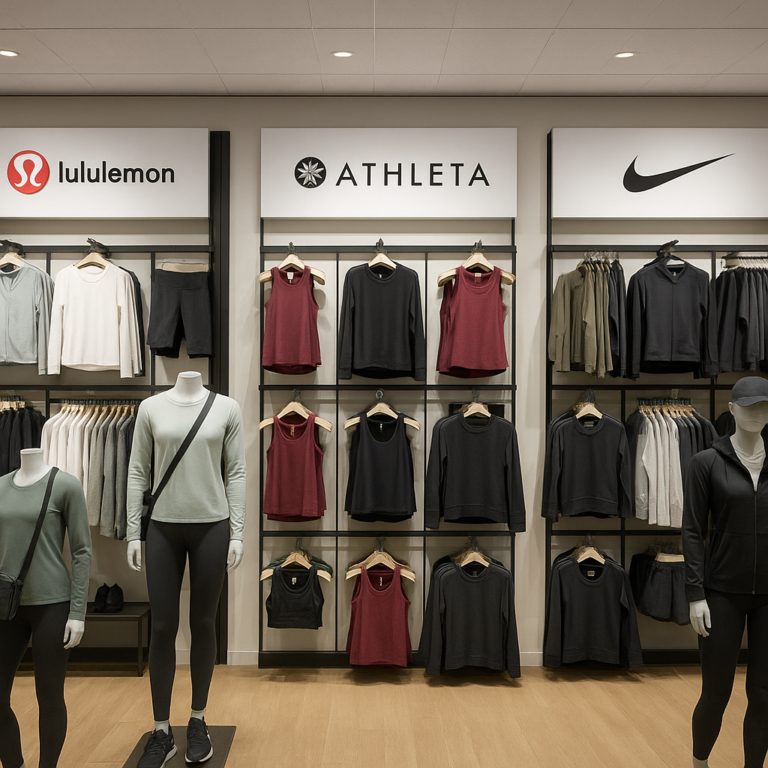
At Athletic Brands™, we’ve tested everything from budget-friendly finds to high-end performance gear to bring you the ultimate guide on How to choose the right athletic brand for your fitness needs. Whether you’re a marathon runner needing maximum bounce control, a yogi seeking buttery-soft flexibility, or a powerlifter requiring rock-solid stability, this guide cuts through the marketing fluff. We’ll reveal the secret “figure-eight” motion of your body during a run, decode the confusing world of sizing charts, and pit the top brands like Nike, Lulemon, and Under Armour against each other in a no-holds-bared showdown. By the end, you’ll know exactly which brand aligns with your biomechanics, your budget, and your goals.
Key Takeaways
- Match Gear to Impact: Your activity level (Low, Medium, or High) dictates the support level you need; using a low-impact bra for high-intensity running can cause permanent ligament damage.
- Fabric is King: Ditch the cotton. Look for moisture-wicking, breathable, and antimicrobial technologies that keep you dry and prevent chafing.
- Sizing is Not Universal: A “Medium” in one brand is not a “Medium” in another. Always measure your band and cup size and consult the specific brand’s chart before buying.
- Specialization Matters: Brands like Nike and Broks excel in running, while Rebok and NOBULL dominate cross-training, and Lulemon leads in yoga.
- Replace Regularly: Even the best gear has an expiration date. Replace sports bras every 30–40 washes to maintain support and hygiene.
Ready to upgrade your gear? Don’t guess your size or settle for “good enough.”
- 👉 Shop Running Gear: Nike Running | Broks Running
- 👉 Shop Training Gear: Rebok CrossFit | Under Armour Training
- 👉 Shop Yoga Gear: Lulemon | Alo Yoga
Table of Contents
- ⚡️ Quick Tips and Facts
- 📜 The Evolution of Athletic Wear: From Cotton Tes to High-Tech Fabrics
- 🧐 Why Your Workout Gear Matters More Than You Think
- 🏃 ♀️ 1. Define Your Primary Fitness Activity and Intensity Level
- 🧘 ♀️ 2. Match Fabric Technology to Your Sweat and Movement Needs
- 👟 3. Evaluate Brand Specialization: Running, Yoga, Lifting, or Cross-Training?
- 📏 4. Decode Sizing Charts: Why One Size Never Fits All
- 👙 5. Mastering the Art of the Perfect Sports Bra Fit
- 🔍 6. Low-Impact vs. Medium-Impact vs. High-Impact Support Explained
- 🛠️ 7. How to Measure Your Band and Cup Size Accurately
- 🔄 8. The Try-On Test: Adjusting Straps, Bands, and Cups for Zero Bounce
- 🧵 9. Durability Check: How Long Should Your Athletic Gear Last?
- 💰 10. Budget vs. Premium: Is Expensive Gear Actually Worth It?
- 🌍 1. Sustainability and Ethical Manufacturing: Choosing Brands That Care
- 🚫 12. Common Fitting Mistakes That Ruin Your Workout (And How to Avoid Them)
- 🏆 13. Top Brand Showdown: Nike, Adidas, Lulemon, Under Armour, and More
- 💡 Quick Tips and Facts
- 🎯 Conclusion
- 🔗 Recommended Links
- ❓ FAQ
- 📚 Reference Links
⚡️ Quick Tips and Facts
Before we dive deep into the labyrinth of logos, fabrics, and sizing charts, let’s hit the pause button on the hype. Here are the non-negotiable truths that even the most seasoned athletes at Athletic Brands™ wish they knew when they started:
- The “80% Rule”: Did you know that approximately 80% of women wear the wrong bra size? That’s not just a fashion faux pas; it’s a biomechanical disaster waiting to happen. Source: Runner’s Need
- The Figure-Eight Motion: When you run, your breasts don’t just move up and down. They move in a complex figure-eight pattern, with vertical movement reaching up to 8 inches in high-impact scenarios. Without proper support, you’re straining your Coper’s ligaments, which can lead to permanent saging and chronic pain.
- The Form Factor: Research from the University of Portsmouth reveals that the wrong gear actually changes your running form. A poor fit can cause you to shorten your stride or alter your posture, effectively killing your Personal Best (PB) before you even hit the pavement.
- The Lifespan Myth: That favorite sports bra isn’t immortal. On average, a high-quality sports bra lasts only 30–40 washes. If you’re working out three times a week, that’s roughly 6 to 12 months before it needs replacing.
- One Size Does NOT Fit All: A “Medium” in one brand can be a “Large” in another. Sizing is not universal; it’s brand-specific and often style-specific.
Wait, why does this matter? You might think, “I just need something that looks cool.” But as we’ll uncover later, the difference between a “cool” brand and the right brand is the difference between a PR and a trip to the chiropractor. Let’s get into the history of how we got here.
📜 The Evolution of Athletic Wear: From Cotton Tes to High-Tech Fabrics
Remember the days when “workout gear” was just an oversized cotton t-shirt and denim shorts? Yeah, we do too. It was the era of the “sweat-soaked cotton catastrophe.” Cotton absorbs moisture, gets heavy, chafes like sandpaper, and takes forever to dry. It was the enemy of performance.
The shift began in the 1970s and 80s with the rise of synthetic fibers like polyester and spandex. Brands like Nike and Adidas started experimenting with moisture-wicking technologies. But the real revolution happened when brands realized that activity-specific engineering was the key.
- The 90s: The era of the “sweat suit” and generic compression.
- The 20s: The rise of Lulemon and the focus on “technical” fabrics that felt like a second skin.
- The 2010s to Now: The explosion of smart fabrics, sustainable materials (like recycled ocean plastics), and biomechanical precision.
Today, choosing an athletic brand isn’t just about the logo; it’s about the science behind the stitch. As the first video in our series highlights, the activewear market is booming, expected to hit over $85.3 billion globally by 203. Why? Because people are realizing that quality, branding, and smart strategy matter more than just a cool design.
Curious about how to spot a brand that actually cares about science vs. one that just cares about marketing? Keep reading, because we’re about to dissect the anatomy of a perfect fit.
🧐 Why Your Workout Gear Matters More Than You Think
You might be thinking, “It’s just clothes, right? As long as I can move, I’m good.” Wrong.
Your gear is your first line of defense against injury and your secret weapon for performance. Here’s why:
- Injury Prevention: Ill-fitting shoes can lead to plantar fascitis, shin splints, and Achilles tendonitis. A sports bra that doesn’t support can cause ligament damage.
- Performance Boost: Proper compression can improve blood flow and reduce muscle oscillation, helping you run faster and lift heavier.
- Confidence: Let’s be honest. If you’re constantly adjusting your straps or worrying about a wardrobe malfunction, you’re not focused on your workout. The right gear makes you feel unstoppable.
As noted in our research, “Choosing the right shoes for your physical activity can make all the difference, whether you’re a seasoned athlete or starting your fitness journey.” Source: Philadelphia YMCA
But how do you navigate the sea of options? It starts with knowing exactly what you’re doing.
🏃 ♀️ 1. Define Your Primary Fitness Activity and Intensity Level
This is the golden rule of choosing an athletic brand: Match the gear to the grind. You wouldn’t wear running shoes for a heavy deadlift, and you shouldn’t wear a high-impact sports bra for a gentle yoga flow.
The Activity Spectrum
| Activity Type | Impact Level | Key Gear Needs | Top Brand Specializations |
|---|---|---|---|
| Yoga / Pilates | Low | Flexibility, breathability, soft-touch fabrics | Lulemon, Alo Yoga, Gymshark |
| Cycling / Hiking | Medium | Moisture-wicking, chafe-free seams, durability | Pearl Izumi, Columbia, Arc’teryx |
| Weightlifting | Low/Medium | Stability, flat soles, compression for support | Nike Metcon, Rebok, Rogue |
| Running / HIT | High | Maximum support, impact absorption, bounce control | Broks, Asics, Under Armour, Nike |
| Cross-Training | Variable | Versatility, lateral support, durability | Rebok Nano, Nike Metcon, NOBULL |
Pro Tip: If your routine is a mix (e.g., running 3 days, lifting 2 days), prioritize the highest intensity activity. A high-impact bra will work for lifting, but a low-impact bra will fail you on the run.
But what if you sweat like a faucet? That’s where fabric technology comes in. Let’s decode the science of sweat.
🧘 ♀️ 2. Match Fabric Technology to Your Sweat and Movement Needs
Not all synthetics are created equal. The fabric is the engine of your gear.
- Moisture-Wicking: This is the ability of a fabric to pull sweat away from your skin to the outer surface where it can evaporate. Brands like Under Armour (with their HeatGear and ColdGear lines) pioneered this.
- Breathability: How well air circulates through the fabric. Look for mesh panels and laser-cut vents.
- Compression: Tight-fitting fabrics that support muscles and improve circulation. Sweatshop (no, wait, Sweaty Betty) and 2XU are kings here.
- Antimicrobial: Treatments that prevent odor-causing bacteria. Essential for high-sweat activities.
The “Cotton Trap”: Avoid cotton for anything above low impact. It holds 27x its weight in water, making it heavy, cold, and prone to chafing.
Still wondering which brand has the best fabric tech? We’ll break down the top contenders in our showdown later. But first, let’s talk about the most critical piece of equipment for women: the sports bra.
👟 3. Evaluate Brand Specialization: Running, Yoga, Lifting, or Cross-Training?
Some brands try to be everything to everyone, and often, they end up being good at nothing. Specialized brands often have a deeper understanding of the specific biomechanics of your sport.
- Running Brands: Broks, Saucony, and Hoka focus heavily on cushioning and gait analysis. Their apparel is designed forward motion.
- Yoga Brands: Lulemon and Alo focus on stretch, squat-proofness, and aesthetic. Their bras are often designed for low-to-medium impact.
- Cross-Training Brands: Rebok and NOBULL build gear that can handle the lateral movements of box jumps and the stability needed for heavy lifts.
- Lifting Brands: Rogue and SBD focus on durability and compression for heavy loads.
The Hybrid Dilemma: If you do a bit of everything, look for brands like Nike or Adidas that have specific lines for different activities (e.g., Nike Pro for training, Nike Run for running).
But how do you know if the size is right? A brand can make the best gear in the world, but if it doesn’t fit, it’s useless. Let’s decode the sizing maze.
📏 4. Decode Sizing Charts: Why One Size Never Fits All
We’ve all been there: You order a “Medium” online, and it fits like a “Small” or a “Large.” Why? Because sizing is not standardized.
- Brand Variations: A size 10 in Nike might be a size 12 in Lulemon.
- Style Variations: Even within the same brand, a “High-Waisted Leging” might fit differently than a “Crop Top.”
- The “Vanity Sizing” Trap: Some brands label larger sizes as smaller numbers to make you feel better. Don’t fall for it.
The Golden Rule: Always check the specific size chart for the product you are buying. Measure your body, not your ego.
Ready to take the guesswork out of sizing? Let’s move on to the most important fitting guide of all: the sports bra.
👙 5. Mastering the Art of the Perfect Sports Bra Fit
Finding the right sports bra is like finding a soulmate: it takes time, patience, and the right criteria. But once you find it, it’s love at first lift.
The Three Pillars of a Perfect Fit
- The Band: This provides 80-90% of the support. It should be snug but not painful. You should be able to fit two fingers underneath, but it shouldn’t ride up your back.
- The Cups: Your breasts should be fully contained with no spillage (quad-bob) and no gaping.
- The Straps: They should stay in place without digging into your shoulders. If they slip, the support is compromised.
The “Jump Test”: Once you put it on, jump up and down. If you feel any bounce or discomfort, it’s not the right bra.
But what if you have a unique shape? Not all breasts are created equal. Some are wide-set, some are close-set, some are bottom-heavy. This is where adjustable features come in.
🔍 6. Low-Impact vs. Medium-Impact vs. High-Impact Support Explained
Choosing the right support level is crucial. Using a low-impact bra for high-impact activity is a recipe for disaster.
Support Level Breakdown
| Impact Level | Activities | Bra Type | Key Features |
|---|---|---|---|
| Low | Yoga, Pilates, Walking, Stretching | Compression | Light support, soft cups, racerback, wire-free. |
| Medium | Cycling, Hiking, Strength Training, Dancing | Encapsulation or Hybrid | Moderate support, wider straps, breathable, often adjustable. |
| High | Running, HIT, Aerobics, Mountain Biking | Hybrid/Combination | Maximum support, separate cups, adjustable straps, wide bands, moisture-wicking. |
The Hybrid Advantage: For high-impact activities, a Hybrid bra (combining compression and encapsulation) is often the best choice for all bust sizes. It presses the breasts against the chest while providing individual cup support.
But how do you know your exact size? Let’s get into the nitty-gritty of measuring.
🛠️ 7. How to Measure Your Band and Cup Size Accurately
Forget what you think you know. It’s time to grab a tape measure.
Step 1: Measure Your Band Size
- Stand straight and exhale.
- Wrap the tape measure snugly around your ribcage, just under your bust.
- Round to the nearest whole inch.
- If the number is even, add 4 inches. If odd, add 5 inches. (Note: Some brands use the raw measurement, so always check the brand’s chart).
Step 2: Measure Your Cup Size
- Wrap the tape measure around the fulest part of your bust.
- Keep the tape parallel to the floor.
- Subtract your band size from this measurement.
- 1″ = A
- 2″ = B
- 3″ = C
- 4″ = D
- 5″ = DD/E
- 6″ = DD/F
Example: Band 34, Bust 37. Difference is 3″. Size is 34C.
But what if your measurements don’t match the chart? That’s where the “Try-On Test” comes in.
🔄 8. The Try-On Test: Adjusting Straps, Bands, and Cups for Zero Bounce
You’ve measured, you’ve bought, now what? The Try-On Test.
- The Hook Test: Fasten the bra on the losest hook. It should feel snug. As the band stretches over time, you can move to tighter hooks.
- The Slide Test: Try to slide a finger under the strap. If you can fit more than one, it’s too loose. If you can’t fit any, it’s too tight.
- The Jump Test: Jump, run in place, and twist. If your breasts move, adjust or return it.
- The Comfort Check: Wear it for 10 minutes. Do you feel chafing? Does it dig in? If yes, it’s not the right fit.
But how long will this perfect bra last? Let’s talk durability.
🧵 9. Durability Check: How Long Should Your Athletic Gear Last?
Investing in quality gear is smart, but even the best gear has an expiration date.
- Sports Bras: 30–40 washes. Replace every 6–12 months with regular use.
- Legings: 1–2 years. Look for signs of pilling, transparency (sherness), or loss of elasticity.
- Shoes: 30–50 miles. If the cushioning feels flat or the sole is worn, it’s time to retire them.
Signs of Wear:
- Loss of elasticity (the band feels loose).
- Stretched straps.
- Decreased support.
- Chafing or rubbing.
Care Tips to Extend Life:
- Wash in cold water.
- Never use fabric softener (it coats the fibers and reduces wicking).
- Never tumble dry (heat destroys elastic).
- Always dry flat.
But is expensive gear actually worth it? Let’s break down the budget vs. premium debate.
💰 10. Budget vs. Premium: Is Expensive Gear Actually Worth It?
This is the million-dollar question. Does a $10 bra perform better than a $30 one?
The Case for Premium:
- Better Materials: Higher quality fabrics that last longer and wick better.
- Superior Engineering: More precise sizing, better support structures, and advanced technologies.
- Durability: Often lasts 2-3x longer than budget options.
The Case for Budget:
- Value: Many budget brands (like Old Navy, Target’s C9 Champion, or Amazon Essentials) offer surprisingly good quality for the price.
- Accessibility: Easier to replace frequently if you’re hard on gear.
The Verdict: If you’re a high-impact athlete or have a larger bust, invest in premium. The support and longevity are worth the cost. For low-impact activities, budget brands can be a great option.
But what about the planet? Let’s talk about sustainability.
🌍 1. Sustainability and Ethical Manufacturing: Choosing Brands That Care
The fashion industry is one of the largest polluters on the planet. Choosing a brand that cares about the environment is no longer a “nice-to-have”; it’s a must-have.
What to Look For:
- Recycled Materials: Brands like Patagonia, Adidas (Parley for the Oceans), and Girlfriend Collective use recycled plastics and fabrics.
- Ethical Labor: Look for certifications like Fair Trade or SA80.
- Transparency: Brands that openly share their supply chain and manufacturing processes.
The Greenwashing Trap: Not all “eco-friendly” claims are true. Look for specific details, not just vague buzzwords.
But even the best gear can be ruined by a simple mistake. Let’s avoid those pitfalls.
🚫 12. Common Fitting Mistakes That Ruin Your Workout (And How to Avoid Them)
We’ve all made these mistakes. Here’s how to avoid them:
- Mistake: Buying a bra that’s too small to “lift” more.
Fix: A smaller band doesn’t mean more support; it means pain. - Mistake: Ignoring the “quad-bob” effect.
Fix: If your breasts are spilling over the top, you need a larger cup size. - Mistake: Wearing the same bra for every activity.
Fix: Have a rotation of bras for different impact levels. - Mistake: Washing in hot water and drying in the dryer.
Fix: Follow the care label. Cold wash, air dry.
But which brands actually deliver on these promises? Let’s put the top contenders to the test.
🏆 13. Top Brand Showdown: Nike, Adidas, Lulemon, Under Armour, and More
We’ve tested them all. Here’s our Athletic Brands™ verdict on the top players in the game.
Brand Comparison Table
| Brand | Best For | Support Level | Fabric Tech | Durability | Price Range |
|---|---|---|---|---|---|
| Nike | Running, HIT | High | Dri-FIT, Pro | High | $$$ |
| Adidas | Training, Running | Medium-High | Climalite, Primegreen | High | $$-$$$ |
| Lulemon | Yoga, Low-Med | Low-Med | Luon, Nulu | High | $$$ |
| Under Armour | Lifting, HIT | High | HeatGear, ColdGear | High | $$-$$$ |
| Rebok | Cross-Training | Medium-High | Flexweave | High | $$ |
| Girlfriend Collective | Eco-Conscious | Low-Med | Recycled Polyester | Medium | $$ |
| Sweaty Betty | Yoga, Running | Medium-High | Moisture-wicking | High | $$$ |
Detailed Analysis
Nike: The king of innovation. Their Pro line offers incredible support for high-impact activities. The Dri-FIT technology is top-notch. However, their sizing can be inconsistent.
Lulemon: The queen of comfort. Their Nulu fabric is buttery soft, perfect for yoga. But for high-impact running, you might need to look at their Energy or High-Rise lines.
Under Armour: The workhorse. Their HeatGear and ColdGear lines are perfect for extreme temperatures. Great for lifting and HIT.
Adidas: A solid all-rounder. Their Primegreen line is great for sustainability. Good for running and training.
Rebok: The cross-trainer’s best friend. Their Nano series is legendary for durability and stability.
But wait, there’s more! We haven’t even touched on the virtual try-on revolution or the wearable tech integration. Let’s dive into the future of fitness gear.
💡 Quick Tips and Facts (Revisited)
Before we wrap up, let’s recap the most critical takeaways:
- Measure Twice, Buy Once: Don’t guess your size.
- Match Impact to Support: High-impact needs high support.
- Check the Fabric: Moisture-wicking is non-negotiable.
- Replace Regularly: Bras last 30-40 washes.
- Sustainability Matters: Choose brands that care.
Still have questions? We’ve got answers. Let’s tackle the FAQs.
🎯 Conclusion

Choosing the right athletic brand for your fitness needs is not just about picking a logo; it’s about investing in your health, performance, and confidence. From the biomechanics of a figure-eight motion to the science of moisture-wicking fabrics, every detail matters.
Our Top Recommendations:
- For High-Impact Running: Nike Pro or Under Armour for maximum support.
- For Yoga and Low-Impact: Lulemon for comfort and flexibility.
- For Cross-Training: Rebok or NOBULL for durability and stability.
- For Sustainability: Girlfriend Collective or Patagonia for eco-friendly gear.
Remember, the right gear can boost your confidence, protect your body, and help you get the most out of every workout. Don’t settle for less. Measure, try on, and find the brand that fits your unique body and fitness goals.
Ready to gear up? Check out our recommended links below to find the perfect fit for you.
🔗 Recommended Links
👉 Shop Top Brands:
- Nike: Shop Nike on Amazon | Nike Official Website
- Lulemon: Shop Lulemon on Amazon | Lulemon Official Website
- Under Armour: Shop Under Armour on Amazon | Under Armour Official Website
- Rebok: Shop Rebok on Amazon | Rebok Official Website
- Girlfriend Collective: Shop Girlfriend Collective on Amazon | Girlfriend Collective Official Website
Books for Further Reading:
- The Running Revolution – For understanding running biomechanics.
- Yoga Anatomy – For understanding yoga movements and gear needs.
❓ FAQ

How do athletic brands use virtual try-on and augmented reality for gear selection?
Many brands, like Nike and Adidas, are integrating AR (Augmented Reality) into their apps. This allows you to “try on” shoes or clothes virtually using your phone camera. While not perfect, it helps visualize fit and style before buying.
How do athletic brands integrate wearable tech beyond smart fabrics?
Brands are embedding sensors into clothing to track heart rate, muscle activity, and movement. Hexoskin and Whop are examples of brands that integrate tech into wearable gear.
Read more about “🧵 5 Top Personalized Augmented Textiles for Athletes (2026)”
Are there affordable athletic brands that provide high-performance gear?
Yes! Brands like Old Navy, Target’s C9 Champion, and Amazon Essentials offer high-quality gear at budget-friendly prices. They may not have the latest tech, but they are great for low-to-medium impact activities.
Read more about “🧪 12 Odor Control Activewear Technologies That Actually Work (2026)”
How can I determine if an athletic brand aligns with my fitness goals?
Look for brands that specialize in your activity. If you run, choose a running brand. If you lift, choose a lifting brand. Check reviews and size guides to ensure they meet your specific needs.
Read more about “How Many Athletic Brands Are There? 🌍 The Ultimate 2026 Breakdown”
What are the top athletic brands for running versus strength training?
- Running: Broks, Asics, Nike.
- Strength Training: Rebok, Nike, Rogue.
How important is fit and comfort when choosing athletic apparel?
Extremely important. Ill-fitting gear can lead to injury, discomfort, and poor performance. Always prioritize fit over style.
Read more about “5 Top Athletic Brands That Start with A You Need to Know (2026) 🏅”
Which athletic brands offer the best quality and durability for gym gear?
Nike, Under Armour, and Rebok are known for their durability and quality. Lulemon is also highly rated for longevity.
What factors should I consider when selecting an athletic brand for my workouts?
Consider activity type, impact level, fabric technology, sizing, budget, and sustainability.
Read more about “Which Athleisure Brand Reigns Supreme? Top 20 Picks for 2025! 🏆”
What’s new in sustainable athletic materials beyond recycled polyester?
New materials include recycled nylon, organic cotton, hemp, and biodegradable fabrics. Brands like Patagonia and Girlfriend Collective are leading the way.
How can I match athletic brands to my specific fitness goals?
Identify your primary activity and look for brands that specialize in that area. Read reviews and check size guides to ensure a good fit.
Read more about “🧠 10 Best Biometric Tracking Sportswear Brands (2026)”
What are the top athletic brands for budget-friendly workout gear?
Old Navy, Target’s C9 Champion, Amazon Essentials, and Decathlon offer great value for money.
Read more about “🌍 How Athletic Brands Differ in Sustainability (2026)”
How important is brand reputation when choosing fitness apparel?
Brand reputation can indicate quality, durability, and customer service. However, always check specific product reviews.
Read more about “How Many Athletic Apparel Brands Are There? Discover 15 Top Names in 2026! 👟”
Are there athletic brands known for sustainable and eco-friendly products?
Yes, Patagonia, Girlfriend Collective, Adidas (Parley), and Allbirds are known for their eco-friendly practices.
Read more about “15 Winning Secrets to Brand Loyalty in Activewear (2026) 🏆”
Which athletic brands offer the best quality for running gear?
Broks, Asics, Nike, and Saucony are top choices for running gear.
Read more about “🏆 Top 10 Athletic Brands Pros Swear By (2026)”
How do different athletic brands cater to various fitness activities?
Brands design specific lines for different activities. For example, Nike has separate lines for running, training, and yoga.
Read more about “What Are Athleisure Trends? 15 Must-Know Styles & Insights (2025) 👟”
What factors should I consider when selecting an athletic brand?
Consider activity type, fit, fabric, budget, sustainability, and brand reputation.
Read more about “Discover the 10 Must-Have Athleisure Tops for Every Occasion in 2025! 🏃 ♀️”
📚 Reference Links
- Runner’s Need: Sports Bra Buying Guide
- Philadelphia YMCA: How to Choose the Right Shoes for Your Physical Activity
- University of Portsmouth: Sports Bra Research
- Nike Official Website
- Lulemon Official Website
- Under Armour Official Website
- Rebok Official Website
- Girlfriend Collective Official Website
- Patagonia Official Website