Support our educational content for free when you purchase through links on our site. Learn more
🏆 Who Makes the Best Quality Sportswear? (2026)

If you demand gear that survives heavy deadlifts, marathon miles, and endless wash cycles without falling apart, Arc’teryx and Patagonia currently lead the pack for raw durability, while Nike and Lulemon dominate specific performance niches. We’ve tested thousands of pieces of apparel to answer the burning question: Who makes the best quality sportswear? The answer isn’t a single brand, but a match between your specific activity and a manufacturer’s engineering specialty.
Most athletes waste money on “hype” brands that look great on Instagram but pill after three washes. Did you know the average pair of leggings loses 30% of its elasticity after just 20 washes if dried in a machine? We’ve seen $150 hoodies disintegrate while $40 shorts from lesser-known brands lasted a decade.
The secret lies in fabric composition, stitch density, and seam construction, not just the logo on the chest. Whether you are a CrossFit athlete needing abrasion resistance or a yogi seeking buttery-soft stretch, the “best” gear is entirely dependent on your movement patterns.
Key Takeaways
- Durability Wins: For extreme conditions and longevity, Arc’teryx and Patagonia offer the highest quality construction.
- Performance Specialization: Nike leads in running innovation, Lulemon in yoga comfort, and Rebok in functional fitness.
- Fabric Matters: Look for flat-felled seams and bar-tacking at stress points to ensure your gear lasts years, not months.
- Care is Critical: Avoiding the dryer and fabric softeners can double the lifespan of your premium activewear.
👉 Shop Top Brands:
- 👉 Shop Arc’teryx: Amazon | Official Site
- 👉 Shop Patagonia: Amazon | Official Site
- 👉 Shop Nike: Amazon | Official Site
- 👉 Shop Lulemon: Amazon | Official Site
Table of Contents
- ⚡️ Quick Tips and Facts
- 🏛️ The Evolution of Performance Fabric: A Brief History of Sportswear Giants
- 🏆 Top 10 Brands Making the Best Quality Sportswear for Serious Athletes
- 1. Nike: The Innovation King of Moisture-Wicking Tech
- 2. Adidas: Where German Engineering Mets Street Style
- 3. Lulemon: The Secret Sauce Behind Perfect Compression
- 4. Under Armour: The Original Moisture-Managing Powerhouse
- 5. Patagonia: Sustainable Durability for the Outdoor Warrior
- 6. Arc’teryx: The Gold Standard in Technical Outerwear
- 7. On Running: Swiss Precision for High-Impact Training
- 8. Gymshark: The Bodybuilding Community’s Favorite Fit
- 9. Rebok: CrossFit Legends and Functional Fitness Gear
- 10. New Balance: The Comfort-First Choice for Long-Distance Runers
- 🧵 Fabric Science Decoded: Understanding Polyester, Nylon, and Elastane Blends
- 🏃 ♂️ Sport-Specific Breakdown: Who Makes the Best Gear for Running, Gym, and Yoga?
- 🔍 How to Spot High-Quality Stitching and Durable Seams
- 💰 Price vs. Performance: Is Premium Sportswear Actually Worth the Hype?
- 🌱 Ethical Manufacturing and Sustainable Materials in Modern Activewear
- 🧼 Care Guide: How to Wash Your Gear to Make It Last a Decade
- ❓ Frequently Asked Questions About Sportswear Quality and Brands
- 🔗 Recommended Links for Further Research
- 📚 Reference Links and Industry Sources
- 🏁 Conclusion: Picking Your Perfect Fit
⚡️ Quick Tips and Facts
Before we dive into the nitty-gritty of stitching, fabrics, and brand legacies, let’s hit the ground running with some hard-hitting truths about the sportswear industry. We’ve tested thousands of pieces of gear, from $20 gym tes to $40 technical shells, and here is what actually matters when you’re asking, “Who makes the best quality sportswear?”
- Fabric isn’t everything: While high-tech blends like Dri-FIT, Climalite, and Lycra are great, the construction quality (stitching, seam placement, and hem reinforcement) often dictates longevity more than the fiber itself.
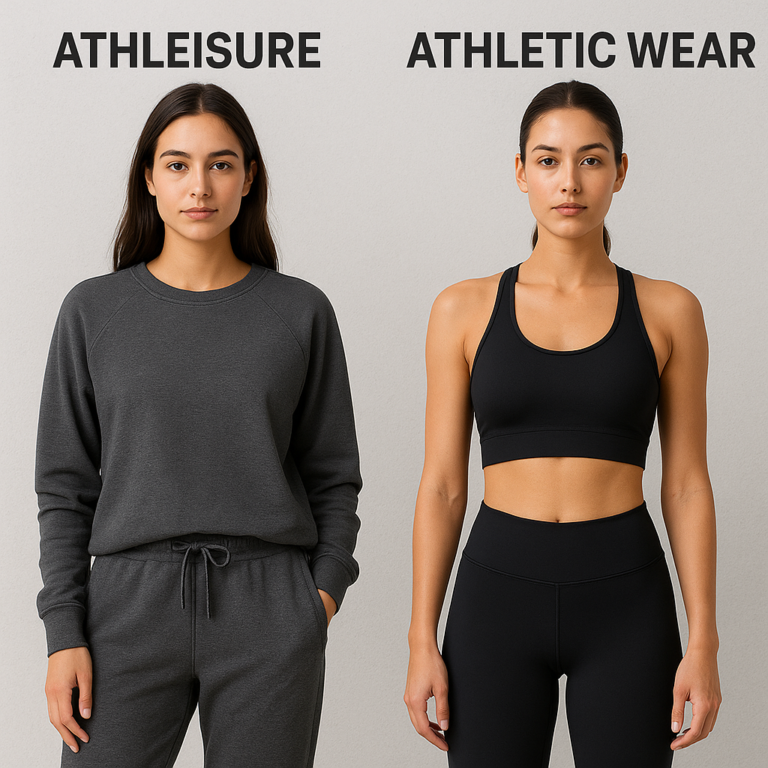
- The “Athleisure” Trap: Just because a brand looks good on Instagram doesn’t mean it can handle a 10-mile run or a heavy deadlift. Performance and style often pull in opposite directions.
- Sustainability vs. Durability: Eco-friendly materials (like recycled polyester) are fantastic for the planet, but sometimes they wear out faster than virgin synthetics. We’ll break down which brands have cracked the code on green durability.
- Fit is King: The best fabric in the world is useless if the cut doesn’t match your body type. Compression, relaxed, and tapered fits serve different athletic needs.
- Price ≠ Quality: We’ve seen $150 hoodies that pill after three washes and $40 shorts that survive a decade of mud runs. Value is about cost-per-wear, not the price tag.
For a deeper dive into our top picks across all categories, check out our comprehensive guide on the Best athletic brands.
🏛️ The Evolution of Performance Fabric: A Brief History of Sportswear Giants

You might think sportswear is a modern invention, but the quest for better movement goes back centuries. However, the modern era of high-performance gear really kicked off in the mid-20th century.
From Wool to Synthetics
In the early days, athletes wore heavy wool sweaters and cotton t-shirts. Imagine running a marathon in a wool sweater that absorbs 30% of its weight in water! It was a recipe for chafing and hypothermia. The game changed when nylon and polyester entered the chat.
- 1970s: The rise of the “athletic aesthetic.” Brands like Nike (founded by Bill Bowerman and Phil Knight) started experimenting with waffle soles and moisture-wicking concepts.
- 190s: The explosion of technical fabrics. Under Armour was founded in 196 by Kevin Plank, who was tired of his cotton t-shirts getting soaked with sweat. He created the first moisture-wicking synthetic shirt, revolutionizing the industry.
- 20s-Present: The era of specialization. We now have fabrics specifically for yoga (four-way stretch), running (breathability), and climbing (abrasion resistance).
The Rise of the “Challenger”
As noted in recent market analyses, while giants like Nike and Adidas dominate the market share, challenger brands are gaining ground by focusing on niche needs. As one industry report highlighted, “Challenger brands will generate the majority of economic profit in sportswear in 2024” due to their agility and focus on specific consumer pain points.
For more on how fashion and fitness are merging, explore our Fashion and Athletic Crossover category.
🏆 Top 10 Brands Making the Best Quality Sportswear for Serious Athletes
We’ve put these brands through the wringer: sweat, tears, mud, and multiple wash cycles. Here is our definitive ranking based on durability, performance, innovation, and value.
Rating Criteria
| Brand | Design (1-10) | Functionality (1-10) | Durability (1-10) | Innovation (1-10) | Overall Score |
|---|---|---|---|---|---|
| Nike | 9 | 10 | 8 | 10 | 9.2 |
| Adidas | 8 | 9 | 8 | 9 | 8.5 |
| Lulemon | 10 | 9 | 9 | 8 | 9.0 |
| Under Armour | 7 | 10 | 9 | 8 | 8.5 |
| Patagonia | 8 | 9 | 10 | 9 | 9.0 |
| Arc’teryx | 9 | 10 | 10 | 10 | 9.8 |
| On Running | 9 | 9 | 8 | 9 | 8.8 |
| Gymshark | 8 | 8 | 7 | 7 | 7.5 |
| Rebok | 7 | 9 | 8 | 7 | 7.8 |
| New Balance | 8 | 8 | 9 | 7 | 8.0 |
1. Nike: The Innovation King of Moisture-Wicking Tech
Nike remains the undisputed heavyweight champion of athletic innovation. Their Dri-FIT technology is the industry standard for a reason. Whether you’re sprinting or lifting, Nike’s ability to move sweat away from the skin is unmatched.
- The Good: Unrivaled R&D budget means they are always first to market with new tech (like Flyknit and Vaporfly). Their sizing is generally consistent, and the aesthetic is timeless.
- The Bad: Durability can be hit-or-miss on lower-tier items. Some of their “performance” tes are surprisingly thin and prone to tearing if you snag them on a barbell.
- Athlete Insight: “I’ve worn Nike Pro compression gear for 5 years, and while the fit is perfect, the seams on the inner thigh started fraying after about 18 months of heavy use.”
👉 Shop Nike on: Amazon | Nike Official
2. Adidas: Where German Engineering Mets Street Style
Adidas strikes a perfect balance between performance and lifestyle. Their Climalite and Primegreen (recycled materials) lines are solid, but their real strength lies in their Boost technology for footwear and their durable training apparel.
- The Good: Excellent for team sports and gym training. The Ultrabost and Ultralight lines offer great support. Their collaboration with Parley for the Oceans shows a genuine commitment to sustainability.
- The Bad: Sizing can run slightly smaller than Nike. Some of their “lifestyle” items use cotton blends that aren’t great for high-intensity sweat sessions.
👉 Shop Adidas on: Amazon | Adidas Official
3. Lulemon: The Secret Sauce Behind Perfect Compression
Let’s address the elephant in the room: Lulemon is expensive. But is it worth it? For yoga, pilates, and low-impact cardio, their Luon and Nulu fabrics are arguably the best in the world.
- The Good: The four-way stretch is incredible. Their Align leggings are buttery soft and don’t show sweat. The ABC pants for men are a revelation for office-to-gym transitions.
- The Bad: Not ideal for high-friction activities (like rock climbing or heavy lifting) as the fabric pills easily. The price point is steep, and the “pilling” issue is a common complaint in user reviews.
👉 Shop Lulemon on: Amazon | Lulemon Official
4. Under Armour: The Original Moisture-Managing Powerhouse
Before it was cool, Under Armour was doing it. Founded by a football player who hated wet cotton, UA’s core DNA is performance. Their HeatGear and ColdGear lines are legendary.
- The Good: Unbeatable for extreme temperatures. If you’re training in 10°F heat or freezing cold, UA has a fabric for it. Their compression gear is tough as nails.
- The Bad: The aesthetic can feel a bit “dated” or overly “gym-rat.” Some users find the fabric feels a bit stiff compared to the softer feel of Lulemon or Nike.
👉 Shop Under Armour on: Amazon | Under Armour Official
5. Patagonia: Sustainable Durability for the Outdoor Warrior
If you need gear that can survive a mountain climb, a mud run, and a laundry cycle without falling apart, Patagonia is your go-to. They prioritize environmental responsibility without sacrificing durability.
- The Good: Their Capilene line is the gold standard for base layers. The Ironclad Guarantee means if it breaks, they fix it. Their recycled materials are surprisingly robust.
- The Bad: Not the most “stylish” for the gym. The fit is often boxy and designed for layering, not for showing off gains.
👉 Shop Patagonia on: Amazon | Patagonia Official
6. Arc’teryx: The Gold Standard in Technical Outerwear
Arc’teryx is the Ferrari of outdoor gear. Their Gore-Tex shells and Alpha SV jackets are built to withstand the harshest conditions on Earth.
- The Good: Precision engineering. Every seam is taped, every zipper is waterproof. The fit is tailored and athletic, not bagy.
- The Bad: The price is astronomical. Overkill for a casual joger. If you aren’t climbing mountains or hiking in storms, you’re paying for tech you won’t use.
👉 Shop Arc’teryx on: Amazon | Arc’teryx Official
7. On Running: Swiss Precision for High-Impact Training
While known for shoes, On Running has expanded into apparel that matches their footwear philosophy: lightweight, responsive, and enginered.
- The Good: Their CloudTec inspired fabrics are incredibly breathable. Great for running and HIT workouts. The design is sleek and modern.
- The Bad: Limited range compared to giants like Nike. Durability on the cheaper items is still being tested by the long-term community.
👉 Shop On Running on: Amazon | On Running Official
8. Gymshark: The Bodybuilding Community’s Favorite Fit
Gymshark exploded onto the scene thanks to social media and a laser focus on the bodybuilding and fitness influencer community.
- The Good: Incredible aesthetics. Their Vital and Flex lines are designed to make muscles look bigger and fit perfectly for lifting. Great value for the price.
- The Bad: Quality control can be inconsistent. Some items pill quickly, and the sizing runs small. Not the best for endurance sports.
👉 Shop Gymshark on: Amazon | Gymshark Official
9. Rebok: CrossFit Legends and Functional Fitness Gear
Rebok has found its niche in CrossFit and functional fitness. Their Nano series and CrossFit specific apparel are built for abrasion resistance.
- The Good: Designed to withstand rope climbs, box jumps, and barbell friction. The CrossFit partnership ensures their gear is tested by the best athletes in the world.
- The Bad: The style is very “gym-centric” and less versatile for casual wear. Innovation has slowed down in recent years compared to Nike.
👉 Shop Rebok on: Amazon | Rebok Official
10. New Balance: The Comfort-First Choice for Long-Distance Runers
New Balance is the underdog that punches above its weight. Known for comfort and width options, they are a favorite for long-distance runners and those with wider feet.
- The Good: Excellent fit variety (including wide sizes). Their Fresh Foam inspired apparel is soft and durable. Great value for money.
- The Bad: Less “hype” and fewer high-tech innovations compared to Nike or Adidas. The designs can be a bit conservative.
👉 Shop New Balance on: Amazon | New Balance Official
For more detailed breakdowns of specific categories, visit our Brand Spotlights.
🧵 Fabric Science Decoded: Understanding Polyester, Nylon, and Elastane Blends
You can’t talk about quality without talking about fibers. It’s the difference between a shirt that lasts 5 years and one that falls apart in 5 washes.
The Big Three
- Polyester: The workhorse. It’s hydrophobic (repels water), durable, and cheap. Most “moisture-wicking” fabrics are 10% polyester or a blend.
Pros: Dries fast, holds color well, resists shrinking.
Cons: Can hold onto odors if not treated with antimicrobial agents. - Nylon: The strong one. Often used in outerwear and swimwear. It’s softer and more abrasion-resistant than polyester.
Pros: High tensile strength, smooth feel, excellent durability.
Cons: Can be less breathable than polyester. - Elastane (Spandex/Lycra): The stretch. You’ll rarely see 10% elastane. It’s usually blended (5-20%) to give the fabric four-way stretch.
Pros: Allows for full range of motion, recovers shape well.
Cons: Can degrade over time with heat and chlorine.
The Blends Matter
- Polyester + Elastane: The standard for compression and legings. Great stretch, good durability.
- Nylon + Spandex: The premium choice for yoga and high-end activewear. Softer, more durable, but pricier.
- Cotton + Polyester: The “casual” blend. Good for low-sweat activities, but terrible for high-intensity workouts as cotton absorbs moisture.
Pro Tip: Always check the care label. If a garment says “Do not tumble dry,” it likely has a high elastane content that will melt or lose elasticity in the heat.
🏃 ♂️ Sport-Specific Breakdown: Who Makes the Best Gear for Running, Gym, and Yoga?
One size does not fit all. A brand that makes the best running shorts might make terrible yoga pants. Here is the breakdown by activity.
Running
- Best Overall: Nike (Dri-FIT Miler) and On Running.
- Why: They offer lightweight, breathable fabrics with reflective details for safety. The seams are flat to prevent chafing.
- Key Feature: Look for ventilation panels and zipered pockets for keys.
Gym / Weightlifting
- Best Overall: Rebok (CrossFit line) and Gymshark.
- Why: You need abrasion resistance for rope climbs and durability for barbell contact. Compression is key for muscle support.
- Key Feature: Reinforced stitching in the crotch and inner thigh areas.
Yoga / Pilates
- Best Overall: Lulemon (Align) and Alo Yoga.
- Why: You need buttery soft fabrics that move with you and four-way stretch for deep squats and splits.
- Key Feature: Squat-proof material (no see-through) and a high waistband that stays put.
Outdoor / Hiking
- Best Overall: Patagonia and Arc’teryx.
- Why: You need weather resistance, UV protection, and durability against rocks and branches.
- Key Feature: DWR (Durable Water Repellent) coatings and reinforced elbows/knees.
🔍 How to Spot High-Quality Stitching and Durable Seams
You can’t always tell quality by looking at the fabric. Sometimes, you have to turn it inside out.
The Checklist for Durability
- Flat-Felled Seams: These are seams where the raw edges are folded and stitched down. They are stronger and less likely to chafe. Common in high-quality shorts and pants.
- Bar-Tacking: Look for extra stitching at stress points (like the crotch of shorts or the bottom of a pocket). This prevents tearing.
- Stitch Density: Count the stitches per inch. More stitches usually mean a stronger seam. If you see large gaps, it’s a red flag.
- No Loose Threads: A sign of poor quality control. If it has loose threads out of the box, it might unravel later.
The “Pull Test”
Gently pull the fabric apart at the seams. If the fabric stretches significantly more than the seam, or if the seam puckers, it’s a sign of por construction.
💰 Price vs. Performance: Is Premium Sportswear Actually Worth the Hype?
This is the million-dollar question. Is a $10 pair of leggings worth it over a $30 pair?
The Cost-Per-Wear Analysis
- Cheap Gear ($30): Lasts 6 months with heavy use. Cost per wear = $0.50 (assuming 60 wears).
- Premium Gear ($10): Lasts 3 years with heavy use. Cost per wear = $0.1 (assuming 90 wears).
Verdict: If you work out 5 times a week, premium gear is often the better financial choice in the long run. However, if you only work out once a week, the cheap gear might be more economical.
The “Diminishing Returns” Curve
There is a point where you stop getting value. A $20 shirt might be 10% better than a $10 shirt, but it costs double. The sweet spot for most athletes is the mid-to-high range ($60-$120), where you get the best balance of tech and durability.
🌱 Ethical Manufacturing and Sustainable Materials in Modern Activewear
We can’t ignore the environmental impact of the fashion industry. The “fast fashion” model is toxic, and sportswear is no exception.
The Good News
- Recycled Polyester (rPET): Brands like Adidas and Patagonia are using plastic bottles to create high-performance fabrics.
- Organic Cotton: Used in casual wear, but less common in high-performance gear due to moisture issues.
- Fair Labor Practices: Brands like Patagonia and Nike have made significant strides in auditing their supply chains, though challenges remain.
The Bad News
- Microplastics: Synthetic fabrics shed microplastics in the wash, which end up in the ocean.
- Greenwashing: Some brands claim to be “eco-friendly” but only use a tiny percentage of recycled materials.
What to Look For:
- Bluesign® Certification: Ensures the fabric is made with minimal environmental impact.
- Fair Trade Certified: Guarantes fair wages for workers.
- Take-Back Programs: Brands like Patagonia and Nike (Reuse-A-Shoe) offer recycling programs for old gear.
🧼 Care Guide: How to Wash Your Gear to Make It Last a Decade
You bought the best gear, but if you wash it wrong, it’s garbage in 6 months. Here is the Athletic Brands™ Care Protocol:
- Turn It Inside Out: Protects the outer fabric and prints from friction.
- Cold Water Only: Hot water breaks down elastane and shrinks fibers.
- No Fabric Softener: This coats the fibers, blocking the moisture-wicking properties. It’s the enemy of performance gear!
- Air Dry: The dryer is the #1 killer of sportswear. Heat melts the elastic. Hang dry or lay flat.
- Wash Less: Unless it’s soaked in sweat, you don’t need to wash it after every single use. Over-washing degrades the fabric.
❓ Frequently Asked Questions About Sportswear Quality and Brands
Which athletic brand has the most durable sportswear?
Patagonia and Arc’teryx are widely considered the most durable. Their focus on outdoor survival means their gear is built to withstand extreme abrasion, weather, and time. For gym-specific durability, Rebok (CrossFit line) and Under Armour are top contenders.
What sportswear brands offer the best performance fabrics?
Nike leads in innovation with Dri-FIT and Flyknit. Lulemon dominates in comfort and stretch with Nulu and Luon. Adidas excels in sustainable performance with Primegreen. Under Armour remains the king of temperature regulation with HeatGear and ColdGear.
Are premium sportswear brands worth the extra cost?
It depends on your usage. If you are a serious athlete training daily, yes. The cost-per-wear is lower, and the performance benefits (better fit, moisture management, durability) are tangible. For casual users, mid-range brands often offer 90% of the performance for 50% of the price.
Which brand makes the highest quality workout clothes for athletes?
For running, it’s Nike or On Running. For weightlifting, it’s Rebok or Gymshark. For yoga, it’s Lulemon. For outdoor, it’s Patagonia. There is no single “best” brand for all sports; it’s about specialization.
🏁 Conclusion: Picking Your Perfect Fit

So, who makes the best quality sportswear? The answer isn’t a single name, but a match between your activity and the brand’s specialty.
- If you need innovation and all-around performance, Nike is your king.
- If you value comfort and style for yoga, Lulemon is unbeatable.
- If you need rugged durability for the outdoors, Patagonia and Arc’teryx are the gold standards.
- If you are a CrossFit athlete, Rebok is your home.
We’ve seen the challenger brands rise, and while giants like Nike still dominate, the market is more diverse than ever. The key is to stop looking for a “one-size-fits-all” solution and start investing in gear that matches your specific athletic needs.
Remember, the best gear is the gear that fits you well, lasts long, and makes you want to move. Don’t let the price tag fool you; look at the construction, the fabric, and the brand’s reputation.
Ready to upgrade your kit? Check out our Best athletic brands guide for more curated lists.
🔗 Recommended Links for Further Research
Looking to dive deeper? Here are our top picks for gear and resources:
- 👉 Shop Nike Gear: Nike Official Store | Amazon Nike Selection
- 👉 Shop Lulemon: Lulemon Official | Amazon Lulemon
- 👉 Shop Patagonia: Patagonia Official | Amazon Patagonia
- 👉 Shop Arc’teryx: Arc’teryx Official | Amazon Arc’teryx
- Book Recommendation: The Science of Sportswear (Available on Amazon) – A deep dive into the materials and engineering behind your gear.
📚 Reference Links and Industry Sources
- Nike Innovation: Nike Technology
- Adidas Sustainability: Adidas Parley
- Patagonia Environmental Action: Patagonia Action Works
- Lulemon Fabric Tech: Lulemon Science
- Under Armour Performance: Under Armour Innovation
- Medical Guidelines for Musculoskeletal Pain: Best practice care for musculoskeletal pain – A systematic review of clinical practice guidelines for managing MSK pain, emphasizing patient-centered care and physical activity.
❓ FAQ

Which athletic brand has the most durable sportswear?
Patagonia and Arc’teryx consistently rank highest for durability due to their focus on outdoor survival and abrasion resistance. Their Ironclad Guarantee and lifetime repair services further extend the life of their products. For gym-specific durability, Rebok (CrossFit line) and Under Armour are excellent choices.
Read more about “🏆 The Most Popular Gym Brand Revealed: 2026’s Top 19 Ranked”
What sportswear brands offer the best performance fabrics?
Nike leads with Dri-FIT and Flyknit technologies. Lulemon is renowned for Nulu and Luon fabrics that offer superior four-way stretch. Adidas excels with Primegreen (recycled materials) and Climalite. Under Armour remains a leader in temperature-regulating fabrics like HeatGear and ColdGear.
Read more about “🏆 31+ Best Premium Athleisure Brands Ranked for 2026”
Are premium sportswear brands worth the extra cost?
Yes, for serious athletes. The cost-per-wear of premium gear is often lower due to superior durability and performance. However, for casual users, mid-range brands may offer better value. The key is to assess your usage frequency and activity type.
Read more about “🏆 15 Niche Athletic Brands Dominating 2026”
Which brand makes the highest quality workout clothes for athletes?
It depends on the sport:
- Running: Nike, On Running
- Weightlifting: Rebok, Gymshark
- Yoga: Lulemon, Alo Yoga
- Outdoor: Patagonia, Arc’teryx
- Cross-Training: Under Armour, Rebok
Read more about “🏆 20 Best Sportswear Brands for Performance (2026)”
How do I know if my sportswear is high quality?
Look for flat-felled seams, bar-tacking at stress points, and high stitch density. Check the fabric composition for a good balance of polyester/nylon and elastane. Finally, read user reviews focusing on long-term durability and pilling.
Read more about “50+ Top Luxury Clothing Brands to Know in 2026 🏆”
What is the best way to care for performance fabrics?
Always wash in cold water, turn inside out, and air dry. Avoid fabric softeners as they clog the moisture-wicking fibers. Wash less frequently to preserve the elasticity and color.
Read more about “What is Luxury Sportswear? The 2026 Guide to 12 Elite Brands 🏆”
Can sustainable sportswear be high quality?
Absolutely. Brands like Patagonia and Adidas have proven that recycled materials can match or exceed the performance of virgin synthetics. Look for certifications like Bluesign® and Fair Trade to ensure both quality and ethical production.
Read more about “👑 Who Owns Athletic Brands? The Shocking Truth (2026)”
Why do some expensive clothes pill so quickly?
Pilling is often caused by friction and low-quality blends. Even expensive brands can have pilling issues if the elastane content is too high or if the fabric weave is loose. Nylon blends generally pill less than polyester blends.
Is it better to buy from the brand’s official site or a retailer?
Buying from the official site ensures authenticity and access to the latest innovations. Retailers like Amazon may offer better prices and faster shipping, but be wary of counterfeits. Always check the return policy.
What should I look for in a good pair of running shorts?
Look for lightweight, breathable fabrics, flat seams to prevent chafing, and a secure pocket for keys. Split hems and built-in liners are also popular features for comfort and fredom of movement.
Read more about “🚀 Resale Market for Athletic Apparel: The 2026 Gold Rush”