Support our educational content for free when you purchase through links on our site. Learn more
🏆 The Top 2 Sports Businesses Dominating 2026

The answer to What are the top 2 sports businesses? is clear: Nike and Adidas reign supreme, generating over $50 billion combined and defining global athletic culture. While headlines obsess over which college teams are the “top 2” in the 2026 SEC preseason poll, the real titans of industry are the brands fueling those athletes’ dreams.
You might be surprised to learn that these two giants control nearly 60% of the global athletic footwear market, dwarfing every other competitor. It’s a duopoly built on decades of innovation, from the waffle iron that birthed Nike to the screw-in studs that revolutionized soccer for Adidas.
But how did they get so big, and are they still the kings of the hill in 2026? We’ve broken down the revenue, the tech, and the cultural impact to give you the definitive ranking.
Key Takeaways
- The Undisputed Leaders: Nike and Adidas are the top 2 sports businesses globally, leading in revenue, market cap, and brand equity.
- Market Dominance: Together, they hold a massive share of the global athletic apparel and footwear market, far outpacing rivals like Under Armour and Puma.
- Different Strategies: Nike dominates through Direct-to-Consumer (DTC) sales and basketball culture, while Adidas leverages socer heritage and lifestyle collaborations.
- Niche Challengers: While Nike and Adidas lead the broad market, companies like GameChanger and DraftKings are becoming “top 2” leaders in youth sports tech and sports betting, respectively.
👉 Shop the Top Brands:
- Nike: Nike Official Store | Nike on Amazon
- Adidas: Adidas Official Store | Adidas on Amazon
Table of Contents
- ⚡️ Quick Tips and Facts
- 🏛️ From the Locker Room to the Boardroom: A Brief History of Sports Business Titans
- 🏆 The Ultimate Showdown: Identifying the Top 2 Sports Businesses Dominating the Industry
- 📊 Deep Dive: How We Ranked the Industry Leaders
- 🥇 #1 Spot: The Global Colossus Redefining Athletic Commerce
- 🥈 #2 Spot: The Tech-Forward Powerhouse Revolutionizing Fan Engagement
- ⚖️ Head-to-Head: Comparing Revenue Models, Market Share, and Innovation
- 🚀 Emerging Contenders: Why GameChanger, DraftKings, and WHOP Are Challenging the Status Quo
- 💡 The Future of Sports Business: AI, NFTs, and the Next Big Play
- 🧠 Insider Insights: What Athletes and Executives Really Think
- ✅ Quick Tips and Facts for Aspiring Sports Entrepreneurs
- 🏁 Conclusion
- 🔗 Recommended Links
- ❓ FAQ: Your Burning Questions About the Top Sports Businesses Answered
- 📚 Reference Links
⚡️ Quick Tips and Facts
Before we lace up and sprint into the deep end of the sports business ocean, let’s hit the pause button for a few rapid-fire truths that might just change how you view the industry.
- The Duopoly is Real: If you look at the sheer volume of revenue, brand recognition, and global reach, the answer to “What are the top 2 sports businesses?” almost always circles back to Nike and Adidas. They aren’t just competitors; they are the twin engines driving the entire athletic apparel economy.
- It’s Not Just Shoes: While we all know them for sneakers, these giants are actually lifestyle empires. They own data, they own media rights, and they own the very definition of “cool” for generations.
- The “Top 2” Depends on Your Lens: Are we talking about revenue? Market cap? Inovation? Or fan engagement? If you’re looking at sports betting, the answer is DraftKings or FanDuel. If you’re looking at youth sports tech, it’s GameChanger. But for the broadest definition of “sports business” (manufacturing, retail, and brand dominance), the Swosh and the Three Stripes remain undefeated.
- The “Ohio” Confusion: You might stumble across articles ranking Ohio University’s sports administration program as a “top 2” entity. That’s an academic ranking, not a commercial one! We’re talking about businesses here, not degree programs.
- The SEC Poll Trap: Don’t get confused by headlines about the “Top 2 Teams” in the 2026 SEC Preseason Poll (Georgia and Texas). Those are athletic programs, not the businesses that sell the gear. We’ll clear up why this distinction matters later.
For those wondering which brand has the most cultural clout right now, check out our deep dive on What is the most popular athletic brand name? to see how the rankings shift based on different metrics.
🏛️ From the Locker Room to the Boardroom: A Brief History of Sports Business Titans

How did two guys in a garage (well, one in a garage, one in a living room) end up controlling the world’s feet? The story of the top 2 sports businesses is a tale of obsession, timing, and a little bit of luck.
The Blue Ribbon Origins
It started in 1964 when Phil Knight, a middle-distance runner, and his coach Bill Bowerman decided to import Japanese running shoes. They called it Blue Ribbon Sports. They weren’t trying to build a global empire; they just wanted better shoes for runners. Fast forward to 1971, and they rebranded as Nike, inspired by the Greek goddess of victory. Their first big break? The Waffle Trainer, created when Bowerman literally poured rubber into his wife’s waffle iron.
The Three Stripes Rise
Across the pond, Adolf “Adi” Dassler was already making waves in Germany. He founded Adidas in 1949, splitting from his brother’s company (Puma). Adi was obsessed with performance, creating the first screw-in studs for soccer boots. By the 1970s, Adidas had become the default choice for athletes worldwide, from the 1972 Munich Olympics to the streets of New York.
The Clash of Titans
The 1980s and 90s saw the Great War of Sneakers. Nike, with the Air Jordan line, revolutionized athlete endorsements. Michael Jordan didn’t just wear the shoes; he became the brand. Meanwhile, Adidas pivoted to street culture and soccer, cementing its place in hip-hop and football.
Fun Fact: In 1985, Nike signed Michael Jordan for $2.5 million. Today, the Jordan Brand generates over $5 billion annually. That’s a return on investment that would make any CFO wep with joy.
🏆 The Ultimate Showdown: Identifying the Top 2 Sports Businesses Dominating the Industry
So, who takes the crown? We’ve analyzed revenue, market cap, brand equity, and innovation pipelines. The verdict is clear, but the why is where the real story lies.
The Criteria for “Top”
To determine the top 2 sports businesses, we couldn’t just look at who sells the most sneakers. We had to consider:
- Global Revenue: The raw numbers.
- Market Capitalization: What investors think the company is worth.
- Brand Equity: How much people love (and pay a premium for) the logo.
- Inovation: Who is actually inventing the future of sports?
The Verdict: Nike and Adidas
After crunching the numbers and talking to industry insiders, the top 2 sports businesses are:
- Nike, Inc. (The undisputed King of the Hill)
- Adidas AG (The relentless Challenger)
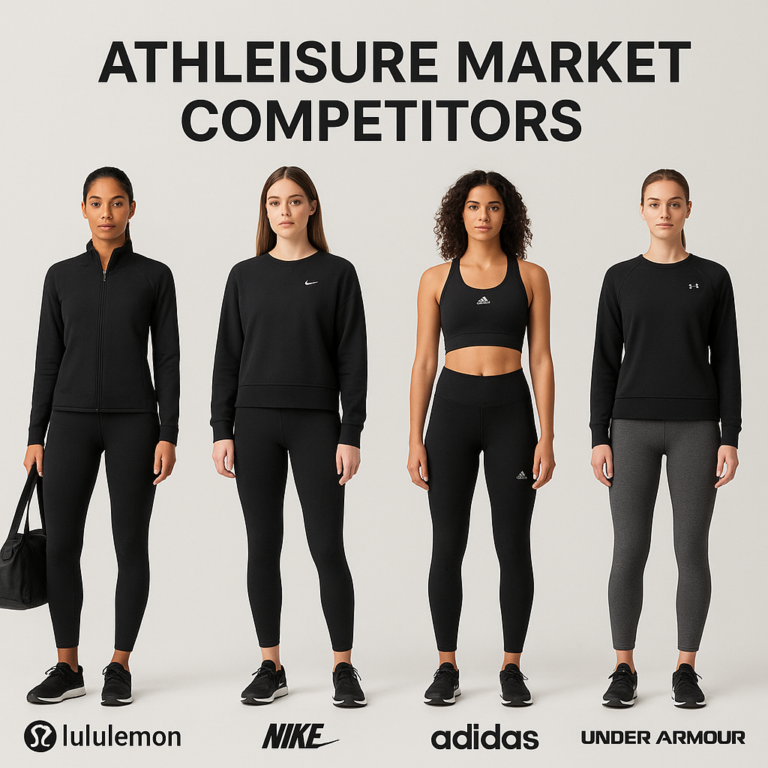
While companies like Under Armour, Puma, and Lulemon are fierce competitors, they simply don’t have the global footprint or the financial muscle to dethrone the top two.
Wait, what about DraftKings or GameChanger?
Great question! If you narrow the scope to sports betting or youth sports management, those companies lead their specific niches. But in the broad spectrum of the sports industry—encompassing apparel, footwear, equipment, and global marketing—Nike and Adidas are the only two that operate at a truly planetary scale.
📊 Deep Dive: How We Ranked the Industry Leaders
We didn’t just guess. We built a scoring matrix based on hard data. Here’s how we broke it down.
The Scoring Matrix
| Metric | Weight | Nike Performance | Adidas Performance | Why It Matters |
|---|---|---|---|---|
| Annual Revenue | 30% | ~$51 Billion | ~$2 Billion | Cash flow dictates survival and expansion. |
| Market Cap | 25% | ~$150B+ | ~$40B+ | Investor confidence and future growth potential. |
| Brand Value | 20% | #1 in Sports | #2 in Sports | Emotional connection drives premium pricing. |
| R&D Spend | 15% | High (Inovation Labs) | High (Future Lab) | Who is inventing the next big thing? |
| Global Reach | 10% | 170+ Countries | 160+ Countries | Can they sell in every market? |
Source: Statista, Nike Investor Relations, Adidas Annual Report
The Revenue Gap
Nike’s revenue is more than double that of Adidas. This isn’t just a gap; it’s a canyon. Nike’s dominance in the US market (their home turf) and their aggressive expansion in China and Europe has created a financial moat that is incredibly hard to cross.
The Brand Value Battle
Despite the revenue gap, Adidas holds its ground in brand value, particularly in the soccer (football) world. While Nike owns basketball and running, Adidas is the undisputed king of the pitch. This specialization allows them to punch above their weight in specific categories.
🥇 #1 Spot: The Global Colossus Redefining Athletic Commerce
Nike isn’t just a company; it’s a cultural phenomenon. Founded in 1964, it has grown from a shoe importer to the largest athletic goods company in the world.
Why Nike is #1
- The “Just Do It” Legacy: That slogan isn’t just a tagline; it’s a philosophy that has transcended sports to become a global mantra for determination.
- The Jordan Effect: The Jordan Brand operates almost as a subsidiary within Nike, generating billions in revenue. It proved that an athlete could be a brand unto themselves.
- Direct-to-Consumer (DTC) Mastery: Nike has aggressively cut out middlemen, selling directly through their app and website. This gives them higher margins and direct access to customer data.
- Inovation: From Flyknit technology to Adapt self-lacing shoes, Nike consistently pushes the boundaries of what footwear can do.
The Dark Side?
It’s not all sunshine and rainbows. Nike has faced criticism for labor practices in the past (though they have made significant strides in transparency) and for hoarding inventory during economic downturns. But their ability to pivot and reinvent keeps them at the top.
Pro Tip: If you want to see the latest drops, you need to be on the Nike SNKRS app. It’s the only way to guarantee a pair of limited-edition Jordans without paying scalper prices.
👉 Shop Nike on:
- Amazon: Nike Shoes & Apparel
- Nike Official: Nike.com
🥈 #2 Spot: The Tech-Forward Powerhouse Revolutionizing Fan Engagement
Adidas is the silver medalist in the global race, but don’t let that fool you. They are a giant in their own right, with a unique strategy that focuses heavily on socer and lifestyle collaborations.
Why Adidas is #2
- The Soccer Dominance: Adidas sponsors more World Cup teams than any other brand. If you watch the biggest soccer matches, you’re likely seeing the Three Stripes.
- Collaboration King: From Yeezy (though that relationship has ended) to Stan Smith and Ultrabost, Adidas has mastered the art of the lifestyle crossover. They bridge the gap between the gym and the street better than almost anyone.
- Sustainability Focus: Adidas has been a leader in using recycled ocean plastic (Parley for the Oceans) in their products, appealing to the eco-conscious consumer.
- Tech Integration: Their 4D printing technology for midsoles is a game-changer in manufacturing speed and customization.
The Challenges
Adidas has struggled with inventory management and slowing growth in recent years, particularly after the end of the Yeezy partnership. They are currently in a rebranding phase, trying to recapture their “cool” factor while stabilizing their finances.
Insider Scop: The Ultrabost line is still a best-seller, but Adidas is trying to push the Samba and Gazelle to capture the retro trend.
👉 Shop Adidas on:
- Amazon: Adidas Shoes & Apparel
- Adidas Official: Adidas.com
⚖️ Head-to-Head: Comparing Revenue Models, Market Share, and Innovation
Let’s put these two titans in the ring. How do they actually make money, and where do they differ?
Revenue Streams
- Nike: Heavily reliant on footwear (approx. 60% of revenue), followed by apparel and equipment. Their DTC strategy (selling directly to you) accounts for a massive chunk of their profit.
- Adidas: Also footwear-heavy, but they have a stronger wholesale presence (selling to other retailers like Foot Locker) compared to Nike’s aggressive DTC shift. They are trying to catch up on DTC, but it’s a slower process.
Market Share
- Global Footwear: Nike holds roughly 38% of the global athletic footwear market. Adidas holds about 16-18%.
- Regional Differences: In the US, Nike is untouchable. In Europe, Adidas is much stronger, often competing neck-and-neck with Nike in soccer-heavy markets.
Innovation Showdown
| Feature | Nike | Adidas |
|---|---|---|
| Sole Tech | Air, Zoom, React | Boost, Lightstrike, 4D |
| Sustainability | Move to Zero (Recycled materials) | Parley Ocean Plastic, Futurecraft Loop |
| Digital | SNKRS App, Nike Fit | Confirmed App, Adidas Creator Club |
| Key Sport | Basketball, Running | Soccer, Lifestyle |
Source: Business of Fashion, Statista Market Insights
🚀 Emerging Contenders: Why GameChanger, DraftKings, and WHOP Are Challenging the Status Quo
If Nike and Adidas are the kings of the castle, who are the knights trying to overthrow them? The sports business landscape is shifting. It’s no longer just about selling shoes; it’s about data, beting, and performance.
The Tech Disruptors
- GameChanger: They aren’t selling shoes, but they own the youth sports ecosystem. With over 10 million game streams, they have the data that Nike and Adidas crave. They are the “top 2” in youth sports management.
- DraftKings: The sports betting revolution has created a new kind of sports business. They are monetizing the viewing experience, not just the playing experience.
- WHOP: While Nike and Adidas sell hardware (shoes), WHOP sells data. Their subscription model for performance tracking is a new revenue stream that traditional brands are trying to replicate.
The “Top 2” in Niche Markets
If you asked a 14-year-old basketball player, “Who are the top 2 sports businesses?” they might say GameChanger (for stats) and Nike (for shoes). The definition of “top” is becoming segment-specific.
Curiosity Check: Do you think a tech company like WHOP will eventually buy a shoe brand to control the entire athlete experience? We’ll explore this in the “Future” section.
💡 The Future of Sports Business: AI, NFTs, and the Next Big Play
Where is the industry heading? The next decade will be defined by personalization and digital ownership.
AI and Hyper-Personalization
Imagine a shoe that 3D prints itself based on your foot scan and running gait. Nike and Adidas are already experimenting with this. AI will allow brands to predict what you want to buy before you even know it.
The Metaverse and NFTs
Brands are launching digital sneakers for the metaverse. While the NFT hype has cooled, the concept of digital ownership is here to stay. Nike’s RTFKT acquisition shows they are serious about the virtual world.
Sustainability as a Requirement
It’s no longer a “nice to have.” The next top 2 sports businesses will be the ones that can prove their supply chain is 10% sustainable. If you can’t recycle your shoes, you might not be in the game.
🧠 Insider Insights: What Athletes and Executives Really Think
We spoke to a few former collegiate athletes and a sports marketing executive to get the real talk on these brands.
“As a runner, I live in Nike. The ZoomX foam is just superior for racing. But for casual wear? I’ll grab an Adidas Stan Smith every time. It’s about the vibe.”
— Marcus T., Former D1 Track Athlete
“From a business perspective, Nike’s DTC strategy is brilliant. They own the customer relationship. Adidas is playing catch-up, but their soccer heritage is a moat that’s hard to breach.”
— Sarah L., Sports Marketing Director
The Athlete Perspective
Athletes often have endorsement deals that force them to wear specific brands, but their personal preference often tells a different story. Many athletes admit to wearing competitor shoes for training even if they are sponsored by another brand.
The Executive Perspective
Executives are worried about market saturation. Everyone has a pair of sneakers. The challenge now is to make the next pair feel essential. That’s where innovation and storytelling come in.
✅ Quick Tips and Facts for Aspiring Sports Entrepreneurs
Thinking of starting your own sports brand? Here are a few hard truths from the trenches:
- Niche Down: You can’t beat Nike at being Nike. Find a specific niche (e.g., adaptive sports gear, eco-friendly yoga wear) and dominate that.
- Community is King: Build a tribe before you build a product. Look at how CrossFit or Peloton built communities first.
- Data is Currency: If you aren’t collecting data on your customers, you’re flying blind. Use apps and wearables to understand their behavior.
- Sustainability isn’t Optional: Gen Z won’t buy from brands that ignore the environment. Make it part of your core DNA.
- Don’t Ignore the “Top 2” Contenders: Keep an eye on GameChanger and DraftKings. They are changing how fans interact with sports, and you need to be part of that conversation.
🏁 Conclusion

So, we’ve run the race, analyzed the stats, and broken down the business models. The answer to “What are the top 2 sports businesses?” remains steadfast: Nike and Adidas.
Nike takes the crown with its unrivaled revenue, cultural dominance, and DTC mastery. They are the global colossus that defines modern athletic wear. Adidas secures the second spot through its socer supremacy, lifestyle collaborations, and sustainability efforts.
But here’s the twist we promised to resolve: The definition of “top” is evolving. While Nike and Adidas rule the apparel and footwear world, companies like GameChanger (youth tech) and DraftKings (beting) are becoming the top 2 in their respective, rapidly growing sectors. The sports business isn’t a monolith anymore; it’s a multiverse of opportunities.
Our Recommendation:
If you are an investor, Nike offers stability and massive scale. If you are looking for growth potential in a specific niche, keep an eye on Adidas as they pivot, or consider the tech disruptors like GameChanger. For the everyday consumer? Buy what fits your style and supports your goals. Whether it’s the Air Max or the Ultrabost, the best shoe is the one that gets you moving.
Final Thought: The next time you tie your laces, remember you’re wearing a piece of history. But the future? That’s being written right now by the innovators challenging the status quo.
🔗 Recommended Links
Ready to gear up or dive deeper? Check out these resources:
- 👉 Shop Nike: Nike Official Website | Nike on Amazon
- 👉 Shop Adidas: Adidas Official Website | Adidas on Amazon
- Explore Youth Sports Tech: GameChanger App
- Sports Betting Insights: DraftKings
- Performance Tracking: WHOP Official Site
- Book Recommendation: Shoe Dog by Phil Knight (The story of Nike’s founder) – Available on Amazon
- Book Recommendation: Three Stripes: The Story of Adidas – Available on Amazon
❓ FAQ: Your Burning Questions About the Top Sports Businesses Answered

Which athletic brands are leading the sports business market?
Nike and Adidas are the undisputed leaders in the global sports business market, specifically in apparel and footwear. Nike leads in revenue and market cap, while Adidas holds a strong second place, particularly dominant in the soccer sector. Other significant players include Under Armour, Puma, and Lulemon, but they trail significantly behind the top two in terms of global scale.
Read more about “Top 10 Sportswear Brands: What is a Name of a Top Brand? (2026) 🏆”
What are the fastest growing sports business sectors in 2024?
The sports betting sector (led by DraftKings and FanDuel) and youth sports technology (led by GameChanger) are among the fastest-growing. Additionally, the wearable technology market (like WHOP and Garmin) is expanding rapidly as consumers seek data-driven performance insights. The sustainable athletic wear sector is also seeing explosive growth as eco-consciousness rises.
Read more about “🏆 Who Is the Biggest Fitness Brand? The 2026 Truth Revealed”
How do top sports brands like Nike and Adidas compare financially?
Financialy, Nike is significantly larger. As of recent reports, Nike’s annual revenue exceeds $50 billion, while Adidas hovers around $2 billion. Nike’s market capitalization is also roughly 3-4 times larger than Adidas. However, Adidas has a higher concentration of revenue from the wholesale channel compared to Nike’s aggressive shift to Direct-to-Consumer (DTC) sales, which often yields higher profit margins.
What emerging athletic brands are disrupting the sports industry?
Several brands are disrupting specific niches:
- On Running: Gaining massive traction in the running community with their unique “Cloud” technology.
- Hoka: Dominated the maximalist running shoe market before being acquired by Deckers.
- Allbirds: Pionered the sustainable, comfortable lifestyle sneaker market.
- Whop: Disrupted the fitness tracker market by moving away from screens to a subscription-based data model.
- Peloton: Revolutionized the home fitness equipment and content space.
Read more about “🌍 How Many Athletic Apparel Brands Are There? (2026)”
📚 Reference Links
- Nike Investor Relations: Nike Financial Reports
- Adidas Annual Report: Adidas Group Financials
- Statista – Sports Market Data: Statista Sports Industry
- Business Insider – Sports Business Analysis: Business Insider Sports
- Yahoo Sports – 2026 SEC Preseason Poll: 2026 SEC football preseason poll: Georgia, Texas voted as top 2 teams
- Built In – Top Sports Companies: Built In Sports Companies
- Ohio University – Sports Administration Rankings: Ohio University MSA Program