Support our educational content for free when you purchase through links on our site. Learn more
Athletic Brands: Your 2026 Performance Playbook 🚀

Ever stood in an athletic store, staring at a wall of shoes, each with a different swoosh, stripe, or leaping cat, and wondered, ‘Which one is actually going to help me crush my goals?’ We’ve all been there! As athletes at Athletic Brands™, we’ve laced up, sweat through, and pushed the limits in gear from virtually every major player in the game. It’s not just about looking good (though that helps!), it’s about the science, the comfort, and the sheer confidence that the right athletic brand can instill. This isn’t just a guide; it’s your personal playbook for navigating the dynamic world of athletic wear and equipment in 2026, ensuring every dollar you spend propels you closer to your personal best. We’ll dive deep into the giants like Nike and Adidas, uncover the rising stars, and arm you with the knowledge to make informed choices. Our ultimate recommendation? Invest in brands that truly align with your specific needs and values, because the most expensive gear isn’t always the best for you. Want to know why, and how to spot the real game-changers? Let’s get started!
Key Takeaways
- Brand Choice Matters: Your athletic brand choice significantly impacts performance, comfort, and injury prevention. It’s more than just a logo; it’s about technology, fit, and philosophy.
- Innovation Drives Excellence: Top brands continually invest in R&D for advanced materials, cushioning, and ergonomic designs that enhance your athletic capabilities.
- Fit & Function Over Hype: Prioritize proper fit, comfort, and the specific functionality required for your activity over fleeting trends or marketing buzz.
- Sustainability is Key: Increasingly, leading brands are embracing eco-friendly materials and ethical production, allowing you to make choices that align with your values.
- Value Beyond Price: The “best” gear isn’t always the priciest. Consider durability, longevity, and how well it meets your individual needs for true value.
- Explore Beyond the Giants: While major players dominate, emerging and niche brands often offer specialized solutions and unique perspectives worth exploring.
👉 Shop Top Athletic Brands & Gear:
- 👉 Shop Nike Gear: Amazon | Walmart | Nike Official Website
- 👉 Shop Adidas Gear: Amazon | Walmart | Adidas Official Website
- 👉 Shop Under Armour Gear: Amazon | Walmart | Under Armour Official Website
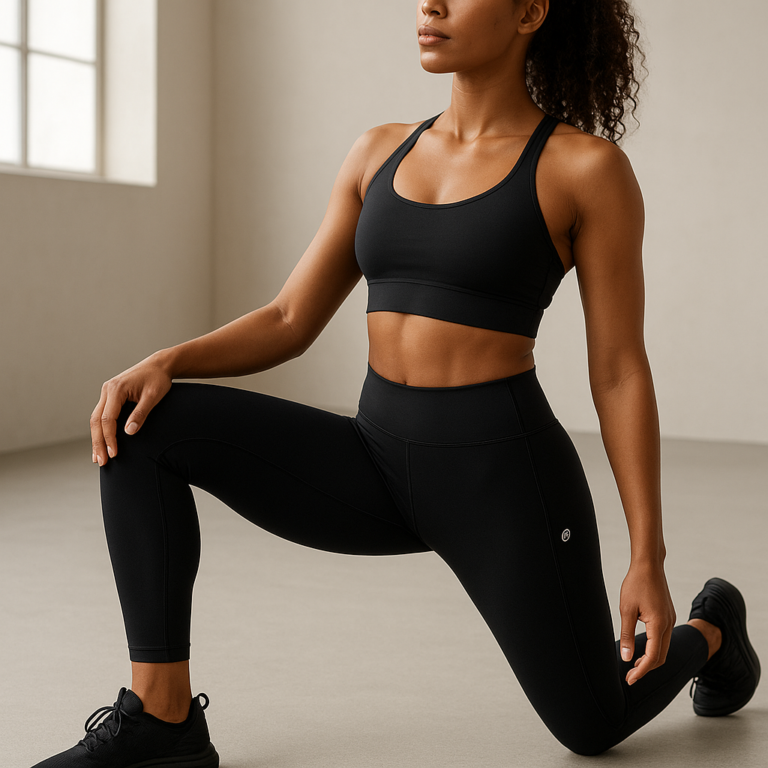
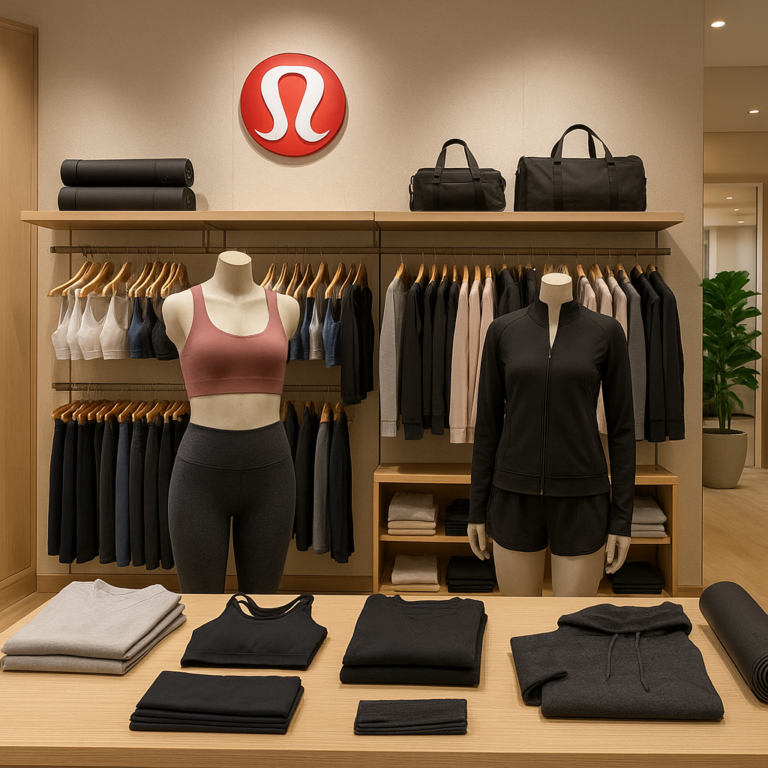
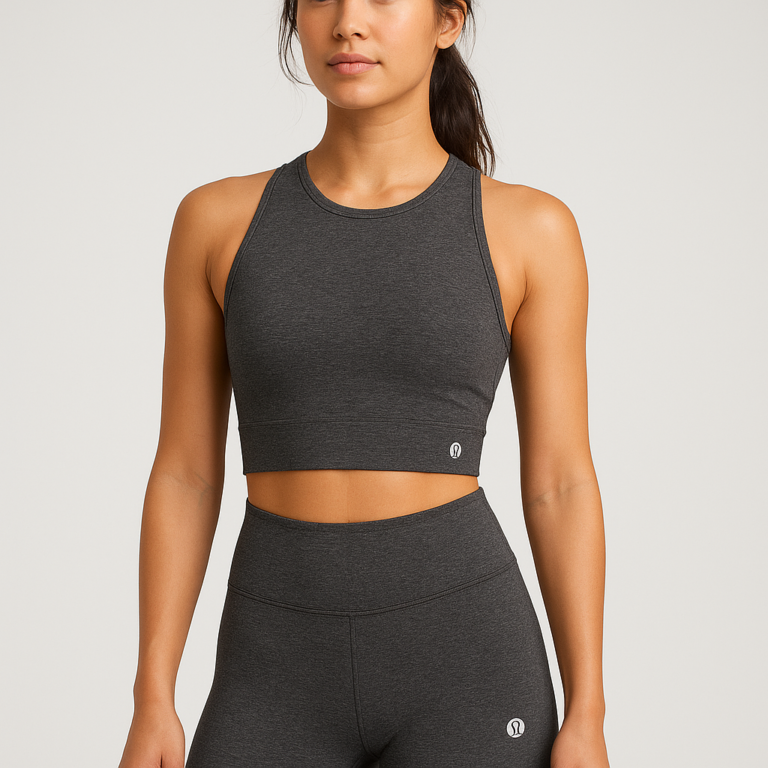
- 👉 Shop Lululemon Gear: Lululemon Official Website
- 👉 Shop New Balance Gear: Amazon | New Balance Official Website
- 👉 Shop ASICS Gear: Amazon | ASICS Official Website
- 👉 Shop Brooks Running Gear: Amazon | Brooks Running Official Website
- 👉 Shop Hoka Gear: Amazon | Hoka Official Website
- 👉 Shop Patagonia Gear: Amazon | Patagonia Official Website
Table of Contents
- ⚡️ Quick Tips and Facts: Your Fast Track to Athletic Brand Wisdom
- 🚀 The Evolution of Athletic Brands: From Niche Gear to Global Powerhouses
- 🎯 Why Your Choice of Athletic Brand Matters: More Than Just a Logo
- 🏆 Decoding the Giants: A Deep Dive into Top Athletic Brands
- Nike: Innovation, Marketing Prowess, and the Swoosh Legacy
- Adidas: Heritage, Global Reach, and the Three Stripes Icon
- Under Armour: Performance, Grit, and the Quest for Domination Lululemon: Athleisure, Lifestyle, and Mindful Movement
- Puma: Style, Collaboration, and the Leaping Cat’s Roar
- New Balance: Comfort, Craftsmanship, and the Pursuit of Balance
- ASICS: Running Science, Support, and the Sound Mind, Sound Body Philosophy
- Brooks Running: The Runner’s Brand, Engineered for Your Stride
- Hoka: Maximal Cushioning, Trail Dominance, and the “Fly Human Fly” Mantra
- Patagonia: Sustainability, Outdoor Performance, and Environmental Activism
- 🌟 Beyond the Big Names: Emerging & Niche Athletic Brands Worth Exploring
- 🤔 How We Choose Our Gear: Key Factors in Selecting the Best Athletic Brands for YOU Performance & Technology: What Makes Athletic Gear Truly Excel?
- Comfort & Fit: The Ultimate Game-Changer in Sports Apparel
- Durability & Quality: Investing in Longevity for Your Active Lifestyle
- Style & Aesthetics: Looking Good, Feeling Confident in Your Athletic Wear
- Sustainability & Ethical Practices: Brands with a Conscience
- Value & Price Point: Getting the Most for Your Athletic Apparel Budget Brand Philosophy & Community: Aligning with Your Values and Tribe
- 🏅 Our Top Picks: Athletic Brands for Every Activity & Athlete
- 🔬 The Science Behind the Swag: Innovations Driving Athletic Brands Forward Moisture-Wicking Fabrics & Temperature Regulation
- Advanced Cushioning Technologies in Footwear
- Sustainable Materials & Eco-Friendly Production
- Smart Wearables Integration & Performance Tracking
⚡️ Quick Tips and Facts: Your Fast Track to Athletic Brand Wisdom
Alright, team, let’s kick things off with some rapid-fire insights from us, the athletes at Athletic Brands™, to get you geared up! Choosing the right athletic brand isn’t just about the logo; it’s about performance, comfort, and how it empowers your active life. Ready for some game-changing knowledge? Let’s go!
| Aspect | Quick Insight
🏁 Conclusion: Your Athletic Journey, Amplified by the Right Brands

Phew! What a journey we’ve had, diving deep into the vibrant, ever-evolving world of athletic brands. From the iconic swoosh of Nike to the sustainable ethos of Patagonia, we’ve explored how these companies don’t just sell gear; they sell performance, confidence, and a lifestyle. We’ve seen that choosing the right athletic brand is far from a trivial decision – it’s about aligning your personal needs, values, and aspirations with gear that truly supports you.
We started this conversation asking: What truly makes an athletic brand stand out in a crowded market? And we hope we’ve answered that with a resounding chorus of innovation, quality, comfort, and a commitment to the athlete. It’s not just about the latest tech, but how that tech translates into a better run, a stronger lift, a more comfortable flow, or a safer adventure.
While we’ve highlighted many incredible brands, the ultimate recommendation always comes back to you. Your unique body, your specific activity, your personal style, and your budget are the compass points guiding your choices. Don’t be swayed solely by marketing hype or what everyone else is wearing. Instead, listen to your body, do your research, and trust your gut.
Our confident recommendation? Invest in brands that invest in you. Look for those that prioritize functional design, durable materials, ethical manufacturing, and a genuine understanding of athletic needs. Whether you’re a seasoned marathoner or just starting your fitness journey, the right athletic gear from a trusted brand can be the difference between a good workout and a great one. So go forth, explore, and find the brands that empower you to achieve your athletic best! Your next personal best is waiting, and the right gear is ready to help you get there.
🔗 Recommended Links: Dive Deeper into Athletic Brands & Performance
Ready to take your athletic gear game to the next level? Here are some direct links to explore the brands and products we’ve discussed, plus some essential reading to further fuel your passion!
👉 Shop Top Athletic Brands & Gear:
- 👉 Shop Nike Apparel & Footwear on: Amazon | Walmart | Nike Official Website
- 👉 Shop Adidas Performance Gear on: Amazon | Walmart | Adidas Official Website
- 👉 Shop Under Armour Training Essentials on: Amazon | Walmart | Under Armour Official Website
- 👉 Shop Lululemon Athleisure & Yoga Wear on: Lululemon Official Website
- 👉 Shop New Balance Running Shoes & Apparel on: Amazon | New Balance Official Website
- 👉 Shop ASICS Running Shoes on: Amazon | ASICS Official Website
- 👉 Shop Brooks Running Gear on: Amazon | Brooks Running Official Website
- 👉 Shop Hoka Footwear on: Amazon | Hoka Official Website
- 👉 Shop Patagonia Outdoor Apparel on: Amazon | Patagonia Official Website
- 👉 Shop Athleta Women’s activewear/”>Activewear on: Athleta Official Website
Recommended Books for Athletes & Fitness Enthusiasts:
- “Running Rewired: A Guide to the Science of Motion, Training, and Performance” by Jay Dicharry: Amazon
- “The Inner Game of Tennis” by W. Timothy Gallwey: Amazon
- “Atomic Habits: An Easy & Proven Way to Build Good Habits & Break Bad Ones” by James Clear: Amazon
❓ FAQ: Your Top Questions About Athletic Brands, Answered!

Got more burning questions about athletic brands? We’ve got you covered with some of the most common inquiries from our community!
What are the best athletic brands for specialized sports (e.g., basketball, tennis, hiking)?
While many brands offer general athletic wear, some truly shine in specific niches due to their focused R&D and athlete collaborations.
- Basketball 🏀: Nike (especially the Jordan brand) and Adidas dominate with signature shoes for NBA stars like LeBron James and James Harden. Their apparel lines also feature performance-specific cuts and moisture-wicking tech designed for the court.
- Tennis 🎾: Adidas, Nike, and Lacoste are perennial favorites, known for their lightweight, breathable apparel and specialized court shoes that offer excellent lateral support and grip. Brands like ASICS also offer highly-rated tennis shoes.
- Hiking & Outdoor Adventures ⛰️: Patagonia, The North Face, and Columbia Sportswear are kings here. They excel in durable, weather-resistant outerwear, moisture-wicking base layers, and rugged footwear designed to withstand the elements. For technical hiking footwear, Merrell and Salomon are also top contenders.
- Weightlifting/Powerlifting 💪: While general training brands work, Reebok (especially with its CrossFit heritage) and Nobull offer shoes with flat, stable soles crucial for lifting. Apparel from Under Armour and Gymshark is popular for its durable, flexible, and sweat-wicking properties.
How do I find the right size and fit across different athletic brands?
Ah, the eternal struggle! Sizing can be notoriously inconsistent between brands, even within the same brand for different product lines. Here’s our pro advice:
- Consult Size Charts: ✅ Always start with the brand’s official size chart. Don’t assume your “medium” is universal. Measure yourself (chest, waist, hips, inseam) and compare.
- Read Customer Reviews: ✅ Many online reviews will mention if an item runs small, large, or true to size. This is invaluable real-world feedback.
- Understand Fit Types: ✅ Brands often specify “athletic fit,” “relaxed fit,” “compression fit,” or “slim fit.” Know what you prefer for your activity. For example, a compression fit is snug for support, while a relaxed fit offers more freedom of movement.
- Try Before You Buy (If Possible): ✅ If you can, visit a physical store to try on items. This is especially crucial for footwear and sports bras.
- Know Your Body: ✅ Understand your own body shape and common fit challenges. Do you often need a longer inseam? Are your shoulders broader? This self-awareness helps narrow down choices.
- Utilize Virtual Fit Tools: Some brands and retailers now offer virtual try-on or fit recommendation tools based on your measurements and preferences.
Are premium athletic brands always worth the investment?
This is a fantastic question, and the answer is nuanced: **often, but not always.**
- When they ARE worth it:
- Performance & Technology: Premium brands often invest heavily in R&D, leading to superior materials, advanced cushioning (e.g., Nike’s ZoomX, Adidas’ Boost), and innovative designs that genuinely enhance performance and comfort. If you’re a serious athlete, the marginal gains can be significant.
- Durability: Higher quality materials and construction often mean the gear lasts longer, standing up to rigorous training and frequent washing. This can lead to better long-term value.
- Specialized Needs: For specific sports or conditions (e.g., extreme weather, injury prevention), premium brands often offer specialized solutions that cheaper alternatives can’t match.
- Fit & Comfort: The attention to detail in fit and ergonomic design can make a huge difference in comfort, reducing chafing, improving support, and allowing for unrestricted movement.
- When they might NOT be worth it:
- Casual Use: If you’re primarily using athletic wear for light walks, lounging, or very occasional, low-impact workouts, the advanced tech of premium brands might be overkill.
- Beginners: For those just starting out, it might be wise to begin with more affordable options to discover your preferences before investing heavily.
- Fashion Over Function: Sometimes, the premium price is driven more by brand status or fashion trends than by tangible performance benefits. Be discerning.
Ultimately, it’s about value for your money. A $150 pair of running shoes that prevents injury and lasts for 500 miles is a better value than a $50 pair that causes discomfort and wears out in 100 miles.
What are some emerging or niche athletic brands gaining traction?
The athletic market is dynamic, and while the giants dominate, exciting new players are always emerging, often specializing in unique areas or philosophies.
- On Running 🇨🇭: Known for its distinctive “CloudTec” cushioning, On has rapidly gained a loyal following, especially among runners, for its innovative design and comfortable, responsive feel. They’re expanding into apparel and outdoor gear too.
- Gymshark 🇬🇧: A social media phenomenon, Gymshark has become a go-to for gym-goers, particularly younger demographics, with its stylish, performance-oriented, and often form-fitting workout apparel.
- Vuori 🇺🇸: Blending performance with a laid-back, West Coast aesthetic, Vuori specializes in incredibly soft, comfortable, and versatile athleisure wear that transitions seamlessly from workout to everyday life.
- Tracksmith 🇺🇸: For the serious, aesthetically-minded runner, Tracksmith offers premium, heritage-inspired running apparel that prioritizes classic style, high-quality materials, and a deep respect for the sport’s traditions.
- Hoka 🇫🇷: While we mentioned them earlier, Hoka continues its rapid ascent, especially in the running and hiking communities, for its maximalist cushioning and unique “rocker” geometry that provides an incredibly smooth ride.
These brands often offer a fresh perspective, innovative designs, or a strong community focus that resonates with specific segments of athletes.
What are the best affordable athletic brands for beginners?
Starting your fitness journey shouldn’t break the bank! Many brands offer excellent quality and performance without the premium price tag.
- Old Navy Active: Part of the Gap Inc. family (like Athleta!), Old Navy Active offers surprisingly good quality leggings, tops, and sports bras with moisture-wicking fabrics and comfortable fits at very budget-friendly prices.
- Target’s All in Motion: Target’s in-house athletic brand, All in Motion, provides a wide range of stylish and functional activewear for men, women, and kids. Their pieces often feature technical fabrics and thoughtful designs comparable to more expensive brands.
- Decathlon’s Kalenji (Running) & Domyos (Gym): The French sporting goods retailer Decathlon offers incredible value. Their in-house brands like Kalenji (running) and Domyos (gym/fitness) provide durable, functional gear at unbeatable prices, perfect for beginners.
- Hanes / Champion: For basic tees, shorts, and sweats, Champion (especially their C9 line at Target) and Hanes offer reliable, comfortable options that are great for everyday workouts or layering.
- Amazon Essentials / Amazon Basics: Don’t overlook Amazon’s own brands for basic athletic wear. You can find decent quality leggings, shorts, and tops that are perfect for getting started without a huge investment.
Remember, “affordable” doesn’t have to mean “low quality.” These brands often leverage efficient supply chains and focus on core functionality to deliver great value.
Which athletic brands are most popular among professional athletes?
When it comes to the pros, brand loyalty often comes down to sponsorship deals, but also to the cutting-edge performance and reliability that these brands offer.
- Nike: Unquestionably the dominant force. From basketball (LeBron James, Kevin Durant) to track and field (Eliud Kipchoge, Sha’Carri Richardson) to soccer (Cristiano Ronaldo, Kylian Mbappé), Nike’s roster of sponsored athletes is unparalleled. Their innovation in footwear (e.g., Vaporfly, Alphafly) and apparel technology makes them a top choice.
- Adidas: A strong contender across many sports, particularly soccer (Lionel Messi), basketball (James Harden, Donovan Mitchell), and running. Adidas’ Boost technology and Primeknit materials are highly favored.
- Under Armour: Known for its performance apparel and footwear, Under Armour has a significant presence in American sports, sponsoring athletes like Stephen Curry (basketball) and Tom Brady (NFL). Their focus on compression and moisture management is a big draw.
- Puma: With a renewed focus on performance and high-profile endorsements, Puma has made a comeback, particularly in track and field (Usain Bolt, now Armand Duplantis) and soccer.
- ASICS: While perhaps less visible in team sports, ASICS remains a powerhouse in running, tennis, and wrestling, with many professional athletes relying on their specialized footwear for support and cushioning.
- Brooks Running: A favorite among professional marathoners and distance runners, Brooks is often chosen for its consistent quality, comfort, and biomechanical support, even if their marketing isn’t as flashy as Nike’s.
It’s important to note that while sponsorships play a huge role, these brands wouldn’t maintain their dominance if their products didn’t genuinely deliver the performance and reliability that elite athletes demand.
How do athletic brands influence sports performance?
Athletic brands don’t just dress athletes; they actively contribute to performance through scientific innovation, material engineering, and ergonomic design.
- Enhanced Biomechanics: Footwear with specialized cushioning (e.g., Nike Air, Adidas Boost, ASICS GEL) and stability features can improve stride efficiency, reduce impact, and prevent injuries. Apparel with targeted compression can support muscles, reduce fatigue, and improve blood flow.
- Temperature Regulation: Advanced moisture-wicking fabrics (e.g., Under Armour HeatGear, Nike Dri-FIT) pull sweat away from the body, keeping athletes cool and dry in hot conditions. Insulating layers (e.g., Patagonia Capilene, The North Face ThermoBall) provide warmth without bulk in cold environments.
- Reduced Drag & Weight: Lightweight materials and aerodynamic designs in running shoes, cycling gear, and swimsuits minimize resistance, allowing athletes to move faster with less effort.
- Injury Prevention: Proper support in shoes (arch support, ankle stability) and apparel (compression sleeves, sports bras) can help prevent common athletic injuries by stabilizing joints and reducing muscle oscillation.
- Psychological Edge: Let’s not underestimate the power of feeling good and looking good! High-quality, well-fitting gear can boost an athlete’s confidence, making them feel more prepared and capable, which can translate into better performance.
- Data & Feedback: Smart wearables integrated into athletic gear (e.g., smart shoes, heart rate monitoring apparel) provide real-time data that athletes and coaches can use to optimize training and performance strategies.
In essence, athletic brands act as silent partners in an athlete’s journey, providing the tools that allow them to push boundaries, recover faster, and perform at their peak.
📚 Reference Links: Our Sources for Athletic Brand Insights
We believe in backing up our expert advice with reliable information. Here are some of the sources that informed our comprehensive guide to athletic brands:
- Athleta Official Website: https://athleta.gap.com/
- Wikipedia – List of Fitness Wear Brands: https://en.wikipedia.org/wiki/List_of_fitness_wear_brands
- Nike Official Website: https://www.nike.com/
- Adidas Official Website: https://www.adidas.com/
- Under Armour Official Website: https://www.underarmour.com/
- Lululemon Official Website: https://shop.lululemon.com/
- Puma Official Website: https://us.puma.com/
- New Balance Official Website: https://www.newbalance.com/
- ASICS Official Website: https://www.asics.com/us/en-us/
- Brooks Running Official Website: https://www.brooksrunning.com/
- Hoka Official Website: https://www.hoka.com/
- Patagonia Official Website: https://www.patagonia.com/
- On Running Official Website: https://www.on.com/
- Gymshark Official Website: https://www.gymshark.com/
- Vuori Official Website: https://vuoriclothing.com/
- Tracksmith Official Website: https://www.tracksmith.com/
- Old Navy Official Website: https://oldnavy.gap.com/
- Target Official Website (All in Motion): https://www.target.com/b/all-in-motion/-/N-q643lerbxbq
- Decathlon Official Website: https://www.decathlon.com/
- UVM Bookstore – Shop ATHLETIC WEAR: https://uvmbookstore.uvm.edu/shop_main.asp?catalog_group_id=NTE&catalog_group_name=QVRITEVUSUMgV0VBUg
- UVM TechStore: https://uvmbookstore.uvm.edu/tech_store.asp
- UVM Catamount Store: https://uvmbookstore.uvm.edu/catamount_store.asp
- UVM Cat Pause Convenience Store: https://uvmbookstore.uvm.edu/cat_pause.asp