Support our educational content for free when you purchase through links on our site. Learn more
20 Women’s Sportswear Brands: Find Your Perfect Fit 🏃 ♀️

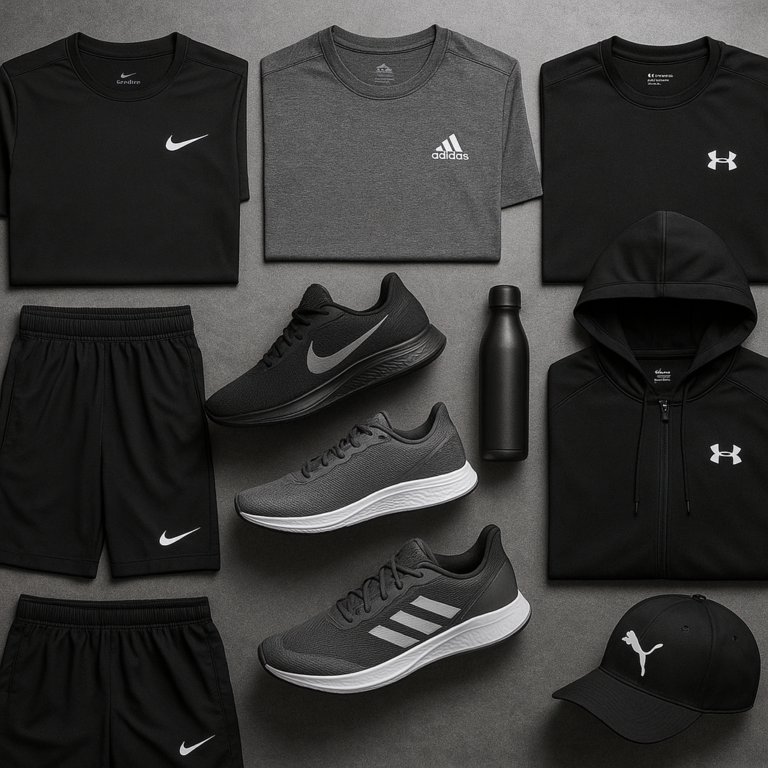
The best women’s sportswear brands depend on how you move: choose sport-specific support and fit for hard training, and prioritize comfort and versatility for studio sessions or everyday wear. Nike, Adidas, Athleta, Lulemon, ASICS, and specialist labels such as Tracksmith each serve different needs, so the right pick isn’t automatically the most famous one.
We’ve learned this the sweaty way: one of our athletes wore soft, lounge-friendly leggings on a hill run, only to spend the final stretch hauling up a waistband that had apparently entered a race of its own. The lesson? Test sportswear in motion—with a squat, a reach, and a jog in place—before trusting it with your workout.
Key Takeaways
- Match your gear to your workout: running, yoga, strength training, and everyday athleisure call for different levels of support, coverage, and durability.
- Check fit, not just the label: sizing varies by brand and style; test waistbands, sports-bra support, stretch, and opacity.
- Compare brands by their strengths: Nike and Adidas offer broad ranges, running specialists include ASICS and Tracksmith, and studio-friendly options include Lulemon and Beyond Yoga.
- Read sustainability claims carefully: check material details, certifications, and brand disclosures rather than relying on vague “eco-friendly” language.
- Build a useful rotation: start with a sports bra suited to your activity, dependable bottoms, a breathable top, and layers for the weather.
- 👉 Shop women’s activewear: Nike | Adidas | Athleta | Lulemon | ASICS | Girlfriend Collective
Table of Contents
- ⚡️ Quick Tips and Facts
- 🏃 What Makes a Great Women’s Sportswear Brand?
- Performance, comfort, and durability
- Sizing, fit, and inclusive design
- Sustainability and ethical manufacturing
- 📖 How Women’s Activewear Has Evolved
- 🏆 20 Women’s Sportswear Brands Worth Knowing
- 1. Nike
- 2. Adidas
- 3. Lulemon
- 4. Athleta
- 5. Sweaty Betty
- 6. Gymshark
- 7. Under Armour
- 8. New Balance
- 9. ASICS
- 10. Puma
- 11. Fabletics
- 12. Girlfriend Collective
- 13. Outdoor Voices
- 14. Vuori
- 15. On
- 16. Tracksmith
- 17. Janji
- 18. Oiselle
- 19. Beyond Yoga
- 20. Rebok
- 🎯 Best Women’s Sportswear Brands by Workout
- Running and trail running
- Yoga, Pilates, and barre
- Strength training and gym workouts
- Hiking, cycling, and outdoor sports
- Everyday athleisure and travel
- 🧵 Choosing Sports Bras, Legings, and Workout Tops
- Sports bra support by activity and cup size
- Legings: fabric, waistband, length, and opacity
- Tops, shorts, jackets, and layering pieces
- 📏 How to Find the Right Fit and Size
- Reading size charts and checking return policies
- Fit tips for petite, tall, plus-size, and maternity wear
- 🌿 Sustainable and Ethical Activewear
- Recycled fabrics, organic fibers, and material trade-offs
- How to evaluate a brand’s sustainability claims
- Care tips to help workout clothes last longer
- 🛍️ How to Choose the Best Women’s Sportswear Brand for You
- Match gear to your activity, climate, and training needs
- Balance quality, versatility, and value
- Shopping online: reviews, delivery, and returns
- ✅ Quick Tips for Building a Workout Wardrobe
- 🔎 Recommended Links
- ❓ FAQ About Women’s Sportswear Brands
- 🏁 Conclusion
- 📚 Reference Links
Quick Tips and Facts
Looking for the right athletic brands clothing for training, recovery, and everything in between? Start with the activity—not the logo. Athletic Brands™, our athletes have learned that a brilliant running tight can feel miserable in hot yoga, while a buttery-soft yoga leging may not stay put through burpees.
| Quick fact | What it means for your kit |
|---|---|
| Match support to movement | Running and jumping usually call for more sports-bra support than low-impact stretching. The American College of Sports Medicine recommends choosing activity-appropriate gear as part of safe exercise. |
| Fabric changes the feel | Nylon- and polyester-based performance fabrics often dry faster than cotton, while cotton can feel comfortable for light activity and everyday wear. Check the garment’s care label and intended use. |
| A size label isn’t a fit guarantee | Sizing varies across brands and even styles. Use each brand’s size chart, then test for rolling waistbands, strap pressure, see-through fabric, and restricted movement. |
| Recycled doesn’t mean impact-free | Recycled fibers can reduce reliance on virgin materials, but durability, care, manufacturing, and end of life still matter. The Textile Exchange provides material standards and industry guidance. |
| One outfit rarely suits every workout | Build a small rotation: supportive bra, activity-specific bottoms, breathable top, and a weather-ready layer. |
| Try the movement test | Squat, reach overhead, jog in place, and twist before keeping a new piece. If it shifts in the fitting room, it probably won’t improve during class. |
Our field-tested rule: Buy for the workout you actually do—not the aspirational one you did once after watching a motivational reel. For more brand comparisons and shopping guidance, browse Athletic Brand Guides.
🏃 What Makes a Great Women’s Sportswear Brand?
A strong women’s sportswear brand does more than put a logo on leggings. It balances fit, fabric, function, comfort, durability, and design. The best choice depends on your body, your training, and what you need the garment to do.
Performance, comfort, and durability
For a sweaty interval session, you may prioritize quick drying and a secure waistband. For restorative yoga, soft stretch and a comfortable seam layout might matter more. Neither preference is “wrong”; the workout decides the brief.
| What to assess | What to look for | What to watch out for |
|---|---|---|
| Fabric | Stretch and recovery suited to the activity; breathable construction; clear care instructions | A fabric that feels great standing still but overheats or loses shape in motion |
| Seams | Smooth or flat seams in areas prone to rubbing | Bulky seams under a sports bra, pack, or waistband |
| Waistband | Stays in place without digging in | Rolling, slipping, or requiring constant adjustment |
| Opacity | Fabric remains opaque through a deep squat and bright light | Thin panels or stretched areas becoming transparent |
| Construction | Secure stitching and resilient elastic | Loose threads, twisted seams, or straps that stretch out quickly |
| Use case | Clear information about training, support, and intended activities | Marketing language that says “for everything” but gives no practical detail |
One of our athletes once wore her softest leggings to a hill-running session. At the halfway point, the waistband had begun its own downhill race. Softness is lovely; stability is non-negotiable when the pace picks up.
Sizing, fit, and inclusive design
Fit is more than a letter or number. Look for size ranges, garment measurements, inseam options, model details, and product-specific fit notes. Inclusive design also means considering how straps, rises, lengths, and support options work across different bodies—not just expanding a size chart.
The U.S. National Library of Medicine advises wearing clothing appropriate for exercise and conditions. For apparel, the practical takeaway is simple: you should be able to move freely without pressure points, chafing, or constant readjustment.
✅ Check fit in motion: reach overhead, sit into a squat, and take a few steps.
❌ Don’t assume your usual size transfers: a compression tight, a relaxed joger, and a sports bra may each fit differently.
For brand-by-brand notes and more gear advice, see our Brand Spotlights.
Sustainability and ethical manufacturing
Sustainability is not a single fabric claim. Consider the fiber, garment life span, supply-chain transparency, repair options, and how the item should be washed. A recycled-material label can be useful information, but it doesn’t tell you everything about a product’s full environmental impact.
For a deeper framework, the United Nations Environment Programme discusses sustainability and circularity across the textile value chain. We recommend checking a brand’s own materials and sourcing disclosures, then looking for independent standards where applicable.
Practical shopping tip: A durable item you wear often may serve you better than a “green” purchase that quickly loses its shape and ends up unworn.
📖 How Women’s Activewear Has Evolved
Women’s sportswear has moved from sport-specific uniforms toward a broad mix of technical apparel, studio wear, outdoor clothing, and everyday athleisure. Today, leggings might go from a strength session to a coffee run; running jackets borrow details from streetwear; and fashion labels regularly collaborate with performance brands.
That crossover is part of the appeal, but it can blur the line between training performance and lifestyle styling. A sleek matching set may look ready for a workout, yet its fabric or support level may better suited to a walk than a high-impact class. The right question isn’t “Is this activewear?” It’s “What will this piece do well?”
Fashion coverage has highlighted the versatility of brands including Nike, Adidas, Lulemon, Vuori, and Sweaty Betty. For an editorial perspective on versatile activewear labels, see Vogue’s activewear guide.
The other shift? More shoppers are asking about size range, fabric sourcing, product longevity, and whether an item is genuinely built for movement. We think that’s a good thing. Looking stylish is welcome; being able to finish your workout without wrestling your clothes is better.
🏆 20 Women’s Sportswear Brands Worth Knowing
There is no universal “best” label. Some brands are known for running apparel, some for studio staples, and others for everyday athleisure. The comparisons below focus on their general strengths and trade-offs—not a promise that every item in a collection performs the same way.
| Brand | Often associated with | Worth considering if you want | Keep in mind |
|---|---|---|---|
| Nike | Broad performance range | Training, running, and sportswear options | Product lines vary considerably by activity |
| Adidas | Sport heritage and streetwear | Training gear with everyday styling | Check the specific garment’s support and fabric |
| Lulemon | Studio wear and leggings | Soft, polished pieces for yoga and training | Styles differ in compression and intended use |
| Athleta | Women’s activewear and lifestyle | A broad apparel mix and multiple activity categories | Compare item-level fit and availability |
| Sweaty Betty | Studio, gym, and running wear | Legings and coordinated workout pieces | Fabric feel and compression vary by collection |
| Gymshark | Gym and strength-training apparel | Fitted training styles | Check support and coverage for your movement |
| Under Armour | Performance-focused apparel | Training layers and technical basics | Some pieces are more sport-specific than versatile |
| New Balance | Running and training | Running apparel and footwear pairing | Apparel selection can vary by market |
| ASICS | Running and sport | Running-specific clothing and kit | Focus on function and fit rather than fashion alone |
| Puma | Sport and lifestyle | Training pieces with athletic styling | Check garment details for your chosen sport |
| Fabletics | Coordinated activewear | Matching sets and varied silhouettes | Review membership and shopping terms before checkout |
| Girlfriend Collective | Recycled-material activewear | Colorful staples and size options | Confirm the current size range for each item |
| Outdoor Voices | Casual activewear | Everyday movement and relaxed styles | Verify current product availability |
| Vuori | Soft performance-lifestyle apparel | Versatile pieces for movement and downtime | Softness may be a higher priority than high compression |
| On | Running and performance | Technical apparel to pair with running gear | Check the collection’s sport-specific features |
| Tracksmith | Running apparel | Run-focused kit and classic styling | The range is particularly oriented toward running |
| Janji | Running and outdoor apparel | Technical layers and run-ready options | Review fit and weather details by product |
| Oiselle | Women’s running apparel | Running-focused styles and community roots | Selection is tailored more to runners than all sports |
| Beyond Yoga | Soft studio and lifestyle wear | Stretchy, comfortable pieces | Choose higher-support gear separately for high impact |
| Rebok | Training and sport heritage | Gym and general fitness apparel | Compare current product features by activity |
1. Nike
Nike offers women’s clothing for running, training, yoga, and everyday wear. Its Dri-FIT apparel is designed to help manage sweat, while the wider collection includes sports bras, tights, shorts, and layers.
Why we like it: broad activity coverage and a large selection of silhouettes.
Potential drawback: a recognizable name doesn’t replace checking support level, fabric, and fit for the particular item.
- ✅ Consider for: running, gym sessions, and sport-specific basics.
- ❌ Look elsewhere within the collection if a specific style lacks the support or coverage your workout needs.
👉 Shop Nike: Nike Official Website
2. Adidas
Adidas combines performance apparel with strong streetwear influence. Its women’s range covers training, running, and sport, while Adidas Originals leans more toward heritage styling and everyday wear.
Why we like it: easy-to-find training staples and a wide style range.
Potential drawback: lifestyle and performance pieces can look similar, so read the product description before choosing gear for intense sessions.
👉 Shop Adidas: Adidas Official Website
3. Lulemon
Lulemon is widely associated with leggings, studio wear, and versatile training pieces. Its women’s collection includes activity-specific lines and different fabric feels, so compare product details rather than assuming every tight has the same compression.
Why we like it: a broad range of studio-friendly apparel and thoughtfully varied fits.
Potential drawback: softer, lighter-feling pieces may not be your first choice for every high-impact or rugged workout.
Vogue has praised the comfort and fit of the brand’s Align leggings in its activewear coverage. Our take: a comfortable fit is personal, so test the waistband and opacity through movement before deciding that a popular style is your perfect match.
👉 Shop Lulemon: Lulemon Official Website
4. Athleta
Athleta offers women’s apparel across training, yoga, running, and lifestyle categories. Its women’s collection is a useful place to compare layers, leggings, sports bras, and activity-specific gear.
Why we like it: a broad range of women’s performance and everyday pieces.
Potential drawback: as with any large collection, support, fabric feel, and fit are style-specific.
👉 Shop Athleta: Athleta Official Website
5. Sweaty Betty
Sweaty Betty makes apparel for training, yoga, running, and everyday wear. Its Power leggings and other bottoms are frequently discussed in activewear roundups, including Vogue’s guide.
Why we like it: a wide mix of performance pieces and polished studio-to-street styling.
Potential drawback: check the product’s compression and length; a fit that feels secure for gym work may feel too firm for lounging.
👉 Shop Sweaty Betty: Sweaty Betty Official Website
6. Gymshark
Gymshark is known for gym-focused apparel, including leggings, shorts, sports bras, and fitted tops. Its women’s collection is a natural starting point for shoppers seeking coordinated strength-training gear.
Why we like it: gym-oriented silhouettes and matching pieces.
Potential drawback: fitted styles may not suit everyone’s preference for coverage or relaxed movement.
👉 Shop Gymshark: Gymshark Official Website
7. Under Armour
Under Armour makes technical apparel for training and sport, including women’s clothing and workout gear. It’s worth considering for performance-minded layers and gym basics.
Why we like it: a sport-first approach and a broad range of training apparel.
Potential drawback: choose by workout and conditions; a warm training layer and a lightweight running top serve different jobs.
👉 Shop Under Armour: Under Armour Official Website
8. New Balance
New Balance is best known for footwear, but its women’s apparel collection includes running and training options. It can be a convenient choice if you want apparel coordinated with your running kit.
Why we like it: a practical option for runners building a head-toe setup.
Potential drawback: compare the apparel range available in your region; selection may be narrower than its footwear assortment.
👉 Shop New Balance: New Balance Official Website
9. ASICS
ASICS is closely connected with running and sport performance. Its women’s running apparel offers a starting point for technical tops, bottoms, and layers.
Why we like it: a clear running focus and easy pairing with the brand’s running footwear.
Potential drawback: shoppers seeking fashion-forward athleisure may prefer a broader lifestyle range.
👉 Shop ASICS: ASICS Official Website
10. Puma
Puma mixes performance apparel with lifestyle styling. Its women’s training and sportswear covers a range of tops, bottoms, and layers.
Why we like it: sport-informed pieces with a recognizable, energetic style.
Potential drawback: examine the intended activity and fabric details, especially when choosing support garments.
👉 Shop Puma: Puma Official Website
11. Fabletics
Fabletics offers leggings, sports bras, tops, and coordinated activewear through its women’s collection. If you shop there, review the current membership, cancellation, and checkout terms carefully so the buying experience fits your preferences.
Why we like it: lots of coordinated styles and outfit options.
Potential drawback: make sure you understand the retailer’s shopping terms before completing a purchase.
👉 Shop Fabletics: Fabletics Official Website
12. Girlfriend Collective
Girlfriend Collective is known for activewear made with recycled materials and a range of color choices. Its women’s collection includes leggings, bras, and other workout staples.
Why we like it: clear emphasis on recycled materials and a distinct, colorful aesthetic.
Potential drawback: check the current size range and material breakdown on each product page rather than relying on an old roundup.
👉 Shop Girlfriend Collective: Girlfriend Collective Official Website
13. Outdoor Voices
Outdoor Voices makes casual activewear for movement and everyday use. Browse its women’s collection for leggings, tops, and relaxed pieces.
Why we like it: an approachable look for low-impact workouts and daily wear.
Potential drawback: not every casual style is designed for high-impact support or technical running.
👉 Shop Outdoor Voices: Outdoor Voices Official Website
14. Vuori
Vuori is known for soft, relaxed performance-lifestyle apparel. Its women’s collection includes leggings, jogers, tops, and layers suited to workouts and downtime.
Why we like it: versatile pieces with a comfortable, casual feel.
Potential drawback: if you want firm compression or a highly technical race-day fit, compare the product specifications closely.
👉 Shop Vuori: Vuori Official Website
15. On
On combines running-focused design with a clean, contemporary look. Its women’s apparel covers running and training layers that pair naturally with the brand’s footwear.
Why we like it: technical styling for runners who want apparel to match their training kit.
Potential drawback: some pieces are tailored to sport-specific needs, so they may be less versatile for everyday wear.
👉 Shop On: On Official Website
16. Tracksmith
Tracksmith focuses on running apparel and running culture. Its women’s collection includes tops, shorts, tights, and layers designed around the needs of runners.
Why we like it: a clear specialty and thoughtful running-oriented design.
Potential drawback: a specialist running brand may be less useful if you want one label for every type of workout.
👉 Shop Tracksmith: Tracksmith Official Website
17. Janji
Janji makes apparel for running and outdoor movement. Its women’s running gear includes options for training, weather, and longer outings.
Why we like it: a run-focused range with outdoor-minded options.
Potential drawback: check each garment’s weather and storage features; a lightweight road-running tight isn’t automatically trail-ready.
👉 Shop Janji: Janji Official Website
18. Oiselle
Oiselle specializes in women’s running apparel. Its women’s collection includes running shorts, tights, tops, and layers.
Why we like it: a distinctly women’s running focus.
Potential drawback: it’s a more specialized choice for shoppers seeking apparel for many different sports.
👉 Shop Oiselle: Oiselle Official Website
19. Beyond Yoga
Beyond Yoga emphasizes soft, stretch-focused apparel for studio practice and everyday comfort. Its women’s collection includes leggings, tops, bras, and other versatile pieces.
Why we like it: comfort-forward fabrics and studio-friendly silhouettes.
Potential drawback: soft support may not be enough for high-impact sessions; choose a dedicated high-support bra where needed.
👉 Shop Beyond Yoga: Beyond Yoga Official Website
20. Rebok
Rebok has a long history in fitness and sport, with women’s apparel for training and everyday wear. Browse its women’s clothing to compare workout tops, bottoms, and layers.
Why we like it: a practical brand to check for gym and general fitness basics.
Potential drawback: collections change, so look at current product descriptions rather than relying on older reviews.
👉 Shop Rebok: Rebok Official Website
🎯 Best Women’s Sportswear Brands by Workout
The smartest way to shop is to pick the workout first and the brand second. Here’s how we’d narrow the field.
| Workout | Features to prioritize | Brands to explore |
|---|---|---|
| Running | Secure fit, pockets, weather layers, bounce control | Nike, ASICS, New Balance, On, Tracksmith, Janji, Oiselle |
| Yoga and Pilates | Stretch, comfortable seams, waistband stability | Lulemon, Athleta, Sweaty Betty, Beyond Yoga, Girlfriend Collective |
| Strength training | Squat-tested coverage, secure waistband, movement-friendly tops | Gymshark, Nike, Adidas, Under Armour, Rebok |
| Hiking and outdoor sports | Weather protection, layering, storage, abrasion-aware design | Janji, Nike, Adidas, Athleta, On |
| Everyday athleisure | Comfort, versatility, easy layering | Vuori, Adidas, Nike, Outdoor Voices, Beyond Yoga |
Running and trail running
For running, prioritize fit that stays put, breathable layers, and storage that doesn’t bounce. A running tight with a secure waistband and useful pockets can be more valuable than a pair that only looks fast in the mirror.
- Road running: look for lightweight layers and easy access to essentials.
- Trail running: consider secure storage, weather protection, and fabric suited to brush and changing conditions.
- Cold-weather runs: layer with a base top, insulating midlayer, and weather-resistant shell as conditions require.
Explore ASICS, Tracksmith, Janji, and Oiselle for run-oriented apparel. The American College of Sports Medicine also offers evidence-based exercise guidance; apparel should support your activity rather than restrict it.
Yoga, Pilates, and barre
Studio workouts reward comfort, stretch, and pieces that stay secure through long holds and transitions. For yoga, try a deep lunge, forward fold, and overhead reach. For Pilates and barre, make sure the waistband doesn’t slide when you hinge or lie down.
Consider Lulemon, Athleta, Beyond Yoga, and Sweaty Betty. For lighter-impact sessions, a soft bra may be comfortable; for faster flows or jump-heavy classes, choose stronger support.
Strength training and gym workouts
Strength training puts leggings through repeated squats, lunges, deadlifts, and floor work. Look for a stable waistband, opaque fabric, and enough stretch to move without pulling at the knees or hips.
Gym-fit test:
- Do a deep squat.
- Hinge forward and reach for your toes.
- Take a long lunge on each side.
- Sit or knel if your workout includes floor exercises.
- Check for rolling, sherness, seam pressure, and waistband slip.
Brands worth comparing include Gymshark, Nike, Under Armour, and Rebok.
Hiking, cycling, and outdoor sports
Outdoor clothing needs to work with the weather, duration, and equipment. A hike may call for layers and pockets; cycling demands a fit that works on the bike and, for longer rides, purpose-built cycling shorts. A standard gym tight is not automatically a substitute.
- Check for weather resistance, not just the word “performance.”
- Make sure pockets remain secure when you carry a phone or snacks.
- Layer so you can adapt as temperature and effort change.
- For cycling, select apparel designed for the position and duration of your ride.
Consider Janji, Athleta, Nike, and Adidas. For weather and safety planning, consult reliable local guidance such as the National Weather Service.
Everyday athleisure and travel
For travel and daily errands, versatility usually beats maximum compression. Look for comfortable waistbands, wrinkle-tolerant layers, useful pockets, and pieces that work beyond the gym.
Vuori, Adidas Originals, Outdoor Voices, and Nike offer lifestyle-friendly options. For more styling ideas, see our Fashion and Athletic Crossover category.
A quick note on fabric: an apparel reviewer may favor natural fibers for breathability and feel, while sportswear designers often use synthetics for stretch, moisture management, and shape retention. Those perspectives aren’t necessarily in conflict. The best fiber depends on the job, and the garment’s construction matters as much as the fiber name.
🧵 Choosing Sports Bras, Legings, and Workout Tops
Sports bra support by activity and cup size
A sports bra should feel secure without causing pain, restricting breathing, or forcing you to constantly adjust the straps. Support needs vary with activity, body shape, and personal comfort.
| Activity level | Typical use | What to look for |
|---|---|---|
| Low impact | Gentle yoga, walking, mobility | Comfortable stretch and light support |
| Medium impact | Strength training, cycling, dance fitness | Stable band, secure straps, adequate coverage |
| High impact | Running, jumping, court sports | Stronger support, minimized bounce, firm but comfortable fit |
Step-by-step bra fit check:
- Check the band: it should sit level and feel secure without painful pressure.
- Check the cups: tissue should be contained without spilling or excessive empty space.
- Move your arms: straps should stay in place without digging into your shoulders.
- Test your activity: jog or jump in place if the bra is intended for impact.
- Recheck after washing: elastics and fabric can change with wear and care.
The Breast Research Australia sports bra information offers research-informed education about breast support during exercise. For product choices, compare brands such as Nike, Lulemon, Athleta, and Sweaty Betty.
Legings: fabric, waistband, length, and opacity
The ideal leging is the one you forget you’re wearing—until someone asks where you got it. For training, assess opacity, waistband security, seam placement, and recovery after stretching.
- High-rise waistbands can provide more coverage, but should not fold or dig in.
- Compression fabrics may feel secure for running or training; softer fabrics may suit studio sessions and daily wear.
- Length matters: full length, 7/8, and cropped cuts can fit differently depending on height and preference.
- Pockets are useful only if they keep your phone or keys secure.
- Opacity is essential: test under bright light and through a squat.
Vogue’s activewear guide highlights Lulemon Align leggings for comfort and fit, while also covering other brands and styles. That’s useful editorial context, not a substitute for trying your own size and activity test.
Tops, shorts, jackets, and layering pieces
Choose tops and layers for temperature and movement. A snug training top can reduce shifting; a relaxed tee may feel better for a warm-up or casual walk. For outdoor workouts, layers let you adapt as you heat up.
Layering, step by step:
- Start with a base layer that feels comfortable against your skin.
- Add insulation when the temperature calls for it.
- Use a protective outer layer for wind or rain.
- Remove or stash layers as your body warms.
- Check that sleeves and hems don’t interfere with your movement or equipment.
Brands such as On, Adidas, Under Armour, and Janji offer different layering options. Compare the fabric and weather claims on each item; “lightweight” and “water-resistant” are not the same thing.
📏 How to Find the Right Fit and Size
Reading size charts and checking return policies
A size chart is a starting point, not a prophecy. Measure the areas requested by the brand, compare with the garment’s fit notes, and check whether the style is described as compressive, relaxed, or true to size.
A reliable online-shopping sequence:
- Find the exact product page, not just the brand’s general size chart.
- Check garment measurements and model height or size details where available.
- Read fit notes, reviews, and care instructions.
- Confirm return and exchange rules before ordering.
- Try the item at home with the movements you’ll actually do.
- Keep tags attached until you’ve completed the fit test.
Consumer guidance from the Federal Trade Commission encourages shoppers to review seller information and policies when buying online. For apparel, the practical version is: know the return window before you discover the waistband is staging a mutiny.
Fit tips for petite, tall, plus-size, and maternity wear
- Petite shoppers: compare inseam, rise, and knee placement—not just the overall size.
- Tall shoppers: look for long inseams and sleeves, and check product measurements.
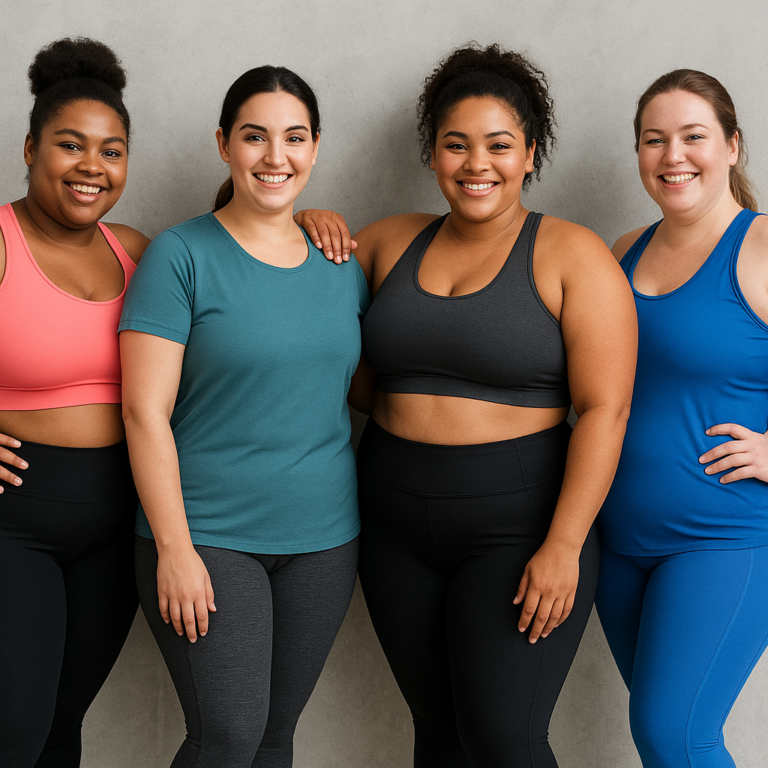
- Plus-size shoppers: examine garment-specific size availability, strap design, waistband construction, and support options.
- Maternity shoppers: prioritize comfort, adjustable or flexible waistbands, and product-specific maternity guidance.
- Everyone: if two sizes seem plausible, compare the brand’s fit notes and return policy rather than assuming the smaller size offers better support.
Some brands offer dedicated collections or extended size ranges, but availability changes by product and region. Review the current pages from Athleta, Girlfriend Collective, Beyond Yoga, and Nike.
🌿 Sustainable and Ethical Activewear
Recycled fabrics, organic fibers, and material trade-offs
Recycled polyester and nylon, organic cotton, and other preferred fibers may be part of a brand’s sustainability strategy. But material alone doesn’t tell the whole story: garment durability, production, shipping, washing, and disposal also count.
| Label or claim | What to check |
|---|---|
| Recycled content | How much of the garment is recycled, and which component uses it? |
| Organic fiber | Is the claim supported by a recognized standard or certification? |
| Recyclable garment | Is there an actual take-back or recycling route available to you? |
| “Sustainable” collection | Does the brand disclose specific materials, methods, or targets? |
| Long-lasting design | Can the garment be repaired, and does the brand explain care and durability? |
The Global Organic Textile Standard explains its textile-processing criteria, while the Textile Exchange publishes material-related resources. Those sources help separate defined standards from broad marketing language.
How to evaluate a brand’s sustainability claims
- Look for specifics: percentage of recycled or certified material, not just a green leaf icon.
- Check scope: a claim about one fabric may not describe the full product or company.
- Find the standard: see whether an independent certification applies and what it covers.
- Review transparency: look for supplier, labor, and environmental disclosures.
- Ask about product life: repair, resale, or take-back programs can help keep clothing in use.
- Read the care guidance: washing choices affect garment longevity and fiber shedding.
The Ellen MacArthur Foundation discusses circular approaches to fashion, including keeping products in use. We recommend treating sustainability claims as useful leads to investigate—not as a reason to skip the product’s fit and durability checks.
Care tips to help workout clothes last longer
- Follow the garment’s care label.
- Wash similar fabrics together and avoid unnecessary high heat.
- Close hooks or zippers that might snag delicate items.
- Let garments dry as directed; high heat can stress some stretch fabrics and elastics.
- Wash sports bras and leggings after sweaty sessions when possible.
- Avoid over-washing lightly worn layers when airing them out is appropriate.
Good care doesn’t make every garment immortal, but it can help your favorite training top survive more than one heroic laundry cycle. Follow the manufacturer’s instructions first.
🛍️ How to Choose the Best Women’s Sportswear Brand for You
Match gear to your activity, climate, and training needs
Start with three questions:
- What will I do in it? Running, lifting, yoga, cycling, hiking, or everyday wear?
- What conditions will I face? Heat, rain, wind, cold, studio air-conditioning?
- What fit do I prefer? Compression, relaxed, high-rise, light support, firm support?
Then compare a short list of brands rather than trying to crown one label as the winner. If you run, start with run-focused options such as ASICS or Tracksmith. If you want soft studio pieces, compare Beyond Yoga and Lulemon.
Balance quality, versatility, and value
Value isn’t simply the lowest cost or the fanciest fabric. It’s how well an item performs for the workouts you do, how often you wear it, and how long it stays useful.
A cost-per-wear calculation can help without needing a price comparison:
Cost per wear = purchase cost ÷ number of wears
Use it as a personal comparison tool, not a guarantee. If one pair of leggings suits your gym sessions, travel days, and errands, it may be more useful than three pieces you rarely reach for.
Shopping online: reviews, delivery, and returns
Customer reviews are most helpful when they explain body measurements, activity, fit preference, and repeated wear. A review saying “great leggings” is less useful than one describing whether the waistband stayed put through a long run.
Before checkout:
- Confirm the seller and official product name.
- Read recent reviews for recurring issues such as pilling or see-through fabric.
- Check size, color, and material details.
- Review delivery, return, and exchange terms.
- Keep confirmation emails until the item is settled.
Some shopping pages provide sizing videos or model details; use them as additional context, not a substitute for trying the garment yourself. For more independent apparel and brand discussions, browse Athletic Brand Guides and Brand Spotlights.
✅ Quick Tips for Building a Workout Wardrobe
You don’t need a dresser full of matching sets. Start with a small, functional rotation and add pieces when you know what’s missing.
A practical starter rotation
- One or two sports bras suited to your most frequent activities.
- Two workout bottoms with different lengths or fabric weights.
- A breathable top for training.
- A warm layer for cool mornings and recovery.
- A weather-ready outer layer if you exercise outdoors.
- Socks and shoes selected for the activity, not just the outfit.
Our athletes’ five-minute gear check
Before your next session, ask:
- Does the bra provide the support I need for this activity?
- Can I squat, reach, and lunge without the garment shifting?
- Is the fabric comfortable for the temperature and intensity?
- Are pockets and drawstrings secure?
- Can I wash and care for this item as recommended?
If you answered “no” to one of those questions, you’ve found your next useful upgrade. Not necessarily a new brand—sometimes a different cut or support level from a label you already own is the better fix.