Support our educational content for free when you purchase through links on our site. Learn more
How Athletic Brands Build Tech Into Clothing 🧵


Athletic brands incorporate technology into their clothing designs by combining engineered fabrics, garment construction, and—sometimes—sensors to solve specific problems such as sweat buildup, overheating, restricted movement, or poor visibility. The best innovations work quietly: you notice the run feels more comfortable, not that your shirt is trying to become a science project.
We’ve felt that difference on hot training days: a breathable top with strategically placed ventilation can feel far better than a heavier shirt that simply promises to “wick sweat.” That’s because performance depends on the whole garment—fabric, fit, seams, and use—not one flashy feature name.
From Nike Aero-FIT’s airflow-focused design to moisture-managing polyester and sensor-equipped smart clothing, the technology varies widely. We’ll explain what these features do, where they help, and how to tell useful engineering from a label doing more cardio than the wearer.
Key Takeaways
- Athletic apparel technology starts with a problem to solve: managing sweat, regulating temperature, improving mobility, adding weather protection, or tracking movement.
- Fabric and construction work together. Fiber choice, knit structure, ventilation zones, seams, and fit all affect comfort and performance.
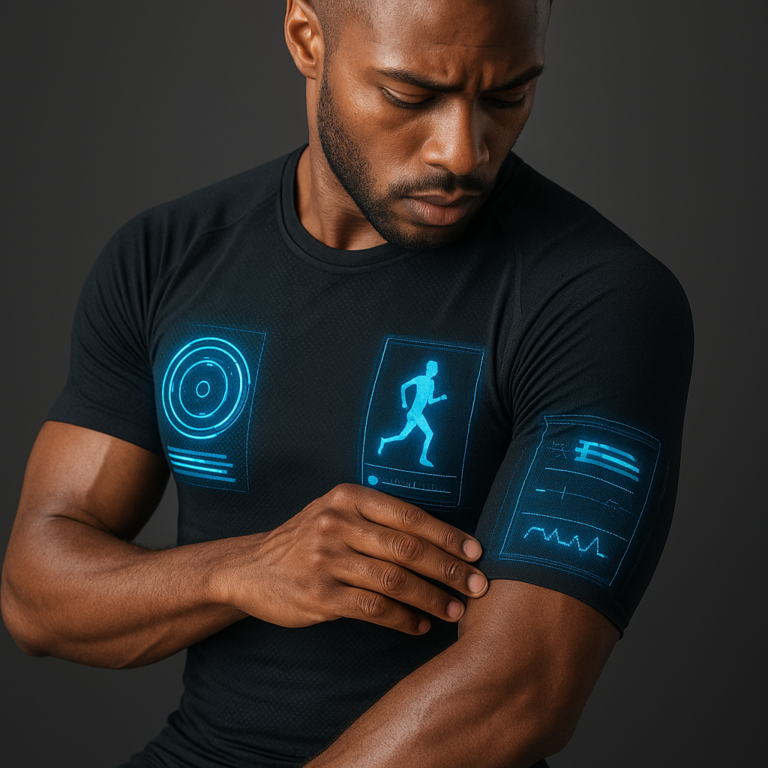
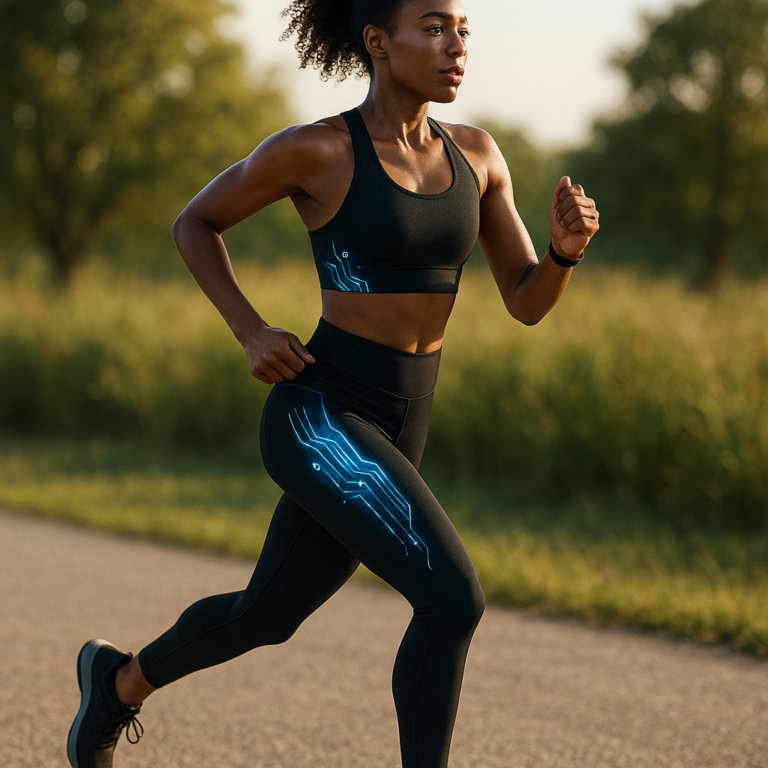
- Smart clothing can collect movement or body data, but sensors, connectivity, comfort, and data privacy are practical considerations.
- The right technology depends on your sport and conditions. A breathable running shirt and a weather-resistant cycling jacket have different jobs.
- Look beyond marketing terms: check what a feature does, how the garment is cared for, and whether it suits your needs.
Table of Contents
- ⚡️ Quick Tips and Facts
- 🧵 How Athletic Brands Weave Technology Into Clothing Design
- From Performance Problems to Wearable Solutions
- How Research, Athlete Feedback, and Design Teams Work Together
- 🏃 The Evolution of Sportswear Technology
- From Cotton Kits to Technical Fabrics
- How Nike, Adidas, Under Armour, and Other Brands Shape Innovation
- 🔬 12 Technologies Changing Athletic Clothing
- 1. Moisture-Wicking Fabrics and Sweat Management
- 2. Breathable Mesh and Advanced Ventilation
- 3. Cooling Fabrics and Heat-Responsive Apparel
- 4. Thermal Insulation and Cold-Weather Layering
- 5. Compression Garments and Targeted Support
- 6. Stretch, Seam Placement, and Ergonomic Fit
- 7. Water-Repellent and Weatherproof Materials
- 8. Antimicrobial Treatments and Odor Control
- 9. UV Protection and Sun-Smart Clothing
- 10. Smart Textiles, Sensors, and Connected Apparel
- 11. Reflective Details and Visibility Features
- 12. Seamless Construction and Lightweight Design
- 🌡️ Cooling, Comfort, and Climate-Responsive Apparel
- How Cooling Technology Helps in Hot Conditions
- Nike Aero-FIT and the Next Wave of Breathable Sportswear
- Choosing Apparel for Heat, Humidity, and High-Intensity Training
- 🧠 Smart Clothing and the Future of Wearable Tech
- How Garment Sensors Measure Movement and Performance
- Neuroscience-Informed Design, Focus, and Athlete Well-Being
- Powered Apparel: Where Clothing Meets Assistive Technology
- Battery Life, Connectivity, Data Privacy, and Practical Limits
- 🧪 How Athletic Clothing Technology Is Tested
- Lab Testing: Breathability, Stretch, Durability, and Moisture Control
- Field Trials With Athletes and Everyday Wearers
- What Performance Claims Can—and Can’t—Tell You
- ♻️ Sustainable Sportswear Materials and Manufacturing
- Recycled Fibers, Bio-Based Materials, and Lower-Impact Dyes
- Durability, Repairability, and Microfiber Shedding
- Can High-Performance Clothing Also Be More Sustainable?
- 👕 Matching Fabric Technology to Your Sport
- Running and Trail Running
- Training, Gym Workouts, and Weightlifting
- Cycling, Team Sports, and Outdoor Adventure
- Yoga, Recovery, and Everyday Activewear
- 🛍️ How to Choose Technology-Enhanced Athletic Clothing
- Fabric Labels and Technical Terms, Explained
- Fit, Layering, and Comfort Checks Before You Buy
- When Premium Features Are Worth It—and When They Aren’t
- 🧺 Caring for Technical Sportswear
- Washing Moisture-Wicking, Compression, and Smart Fabrics
- How to Preserve Water-Repellent and Odor-Control Treatments
- 🔮 What’s Next for Athletic Apparel Innovation?
- AI-Assisted Design and Personalized Performance Clothing
- Adaptive Materials and On-Demand Manufacturing
- The Challenges Brands Still Need to Solve
- ✅ Conclusion
- 🔗 Recommended Links
- ❓ FAQ
- How do athletic brands incorporate technology into their clothing designs?
- What fabrics do athletic brands use to keep athletes cool and dry?
- Do smart clothes track performance accurately?
- Are technical athletic clothes worth buying?
- How can you tell if sportswear technology is effective?
- How should you wash high-tech athletic clothing?
- 📚 Reference Links