Support our educational content for free when you purchase through links on our site. Learn more
🏆 Who Are Competitors in the Athleisure Market? (2026)

The titans of the athleisure market are Nike, Adidas, and Lulemon, but the real story lies in the agile disruptors like Vuori and On that are rapidly stealing their market share. If you are wondering who are competitors in the athleisure market right now, the answer is a dynamic mix of legacy giants fighting to stay relevant and niche specialists redefining comfort.
Forget the dusty charts you might find in a business textbook; this industry moves faster than a sprinter on a track. We recently watched a friend spend twenty minutes debating between Lulemon and Vuori just for a pair of leggings, proving that brand loyalty is now a battlefield of fabric feel and community vibe.
The numbers back up the hype: the global market is projected to hit nearly $690 billion by 2030, yet the biggest shifts aren’t coming from the top 10% of brands. Instead, they are emerging from the “quiet luxury” of performance wear and the sustainability wars that are forcing even the biggest players to rethink their supply chains.
Key Takeaways
- The Big Three Dominate: Nike, Adidas, and Lulemon still hold the largest market share, leveraging massive R&D budgets and global brand recognition.
- Challengers Are Rising: Agile brands like Vuori, On, and Gymshark are outpacing giants in growth by focusing on niche communities and superior fabric technology.
- Sustainability is the New Currency: Consumers now demand eco-friendly materials and transparent supply chains, making sustainability a primary competitive differentiator.
- The “Hybrid” Winner: The most successful brands are those that seamlessly blend high-performance functionality with everyday street style.
Table of Contents
- ⚡️ Quick Tips and Facts
- 📜 From Gym Socks to Street Style: The Evolution of the Athleisure Landscape
- 🏆 Top 10 Powerhouses Dominating the Global Athleisure Market
- 1. Nike, Inc.: The Swosh That Owns the Runway
- 2. Adidas AG: Three Stripes, Infinite Possibilities
- 3. Lulemon Athletica Inc.: The Yoga Pants Revolutionaries
- 4. Under Armour, Inc.: Performance Mets Everyday Wear
- 5. Puma SE: Speed, Style, and the Sneaker Culture Clash
- 6. VF Corporation: The Parent Company Behind the Brands
- 7. ASICS Corporation: Gel Technology and Running Roots
- 8. Skechers U.S.A., Inc.: Comfort Kings of the Casual Crowd
- 9. New Balance Athletics, Inc.: The Dad Shoe That Conquered Fashion
- 10. Columbia Sportswear Company: Outdoor Tech for the Urban Jungle
- 🥊 The New Challengers: Disruptors Reshaping the Competitive Arena
- 🧐 Niche Players vs. Mass Market: How Specialized Brands Carve Out Their Slice
- 📊 Athleisure Market Size, Share, and Growth Forecast Through 2032
- 👟 Sneaker Wars: The Battle for Footwear Supremacy in Active Lifestyle
- 👗 Legings, Loungewear, and Beyond: Key Product Categories Driving Sales
- 🌍 Sustainability Wars: Eco-Friendly Materials as the New Competitive Edge
- 📱 Digital Dominance: How E-Commerce and Social Media Shape Brand Loyalty
- 🧠 Consumer Psychology: Why We Choose Performance Over Pure Fashion
- 💡 Quick Tips and Facts: Navigating the Competitive Maze
- 🏁 Conclusion: Who Really Wins the Athleisure Race?
- 🔗 Recommended Links
- ❓ FAQ: Your Burning Questions About Athleisure Competitors Answered
- 📚 Reference Links
⚡️ Quick Tips and Facts
Before we dive into the sweaty, stylish, and fiercely competitive world of athleisure, let’s hit the pause button and drop some knowledge bombs. You might think this is just about leggings and hoodies, but the reality is a high-stakes game of chess played on a global board.
- The Market is Exploding: We aren’t just talking about a trend; we’re talking about a USD 689.04 billion industry by 2030. That’s not a typo. The line between “gym wear” and “everyday wear” has been erased so thoroughly that wearing sweatpants to a wedding is now a valid fashion statement (if you’re brave enough).
- Sustainability is Non-Negotiable: It’s no longer a “nice-to-have.” Brands that can’t prove their recycled polyester or ethical labor practices are getting left in the dust. Consumers are reading labels like they’re reading the Constitution.
- The “DTC” Trap: Many giants thought cutting out the middleman (retailers) to sell Direct-to-Consumer (DTC) would be the golden ticket. Spoiler alert: It’s not always that simple. As we’ll see later, a balanced approach often wins the race.
- Challengers are Eating Lunch: While the big dogs bark, the small, agile pups are running the track. Brands like On and Vuori are growing revenue faster than the incumbents, proving you don’t need a century of history to dominate the street.
- Tech is the New Fabric: It’s not just about cotton and spandex anymore. AI-driven personalization, smart fabrics that regulate temperature, and connected fitness ecosystems are the new battlegrounds.
If you’re wondering how to navigate this jungle of logos and marketing hype, you’ve come to the right place. We’ve got the insider scoop, the real talk, and the breakdown of who is actually winning the race.
For those looking to elevate their style game immediately, check out our deep dive into 13 Luxury Athleisure Brands to Elevate Your Style in 2026 ✨ to see where the high-end market is heading.
📜 From Gym Socks to Street Style: The Evolution of the Athleisure Landscape
Remember when wearing sweatpants to the grocery store was a sign of giving up on life? Yeah, those days are gone. The evolution of athleisure is a story of cultural rebellion meeting technological innovation.
It started in the 1970s with the fitness boom, but the real shift happened when yoga studios became the new social clubs. Suddenly, Lulemon wasn’t just selling yoga pants; they were selling a lifestyle. The “gym-to-street” transition accelerated with the rise of remote work and the “casual Friday” culture morphing into “casual every day.”
The Three Waves of Athleisure
- The Performance Era: Focus was purely on function. Moisture-wicking, compression, and durability were king. Brands like Nike and Under Armour ruled here.
- The Lifestyle Era: Aesthetics took the wheel. The cut, the color, and the “vibe” mattered as much as the fabric. Lulemon and Alo Yoga led this charge.
- The Hybrid Era (Now): The perfect blend. You need a shoe that can run a marathon and look good with a blazer. You need a jacket that repels rain but breathes during a HIT workout.
Did you know? The term “athleisure” was coined in the late 90s, but it didn’t hit the mainstream dictionary until 2016. It took nearly two decades for the world to catch up to what we athletes knew all along: comfort is the ultimate luxury.
🏆 Top 10 Powerhouses Dominating the Global Athleisure Market
Who are the titans holding the keys to the kingdom? Based on market share, brand loyalty, and sheer volume of sales, these are the Top 10 Powerhouses. But don’t let the numbers fool you; the dynamics are shifting faster than a sprinter’s pace.
1. Nike, Inc.: The Swosh That Owns the Runway
Nike isn’t just a brand; it’s a cultural institution. With a massive Direct-to-Consumer (DTC) strategy, they’ve managed to keep their margins high while dominating the sneakerhead culture.
- Strengths: Unmatched brand recognition, massive R&D budget, and a digital ecosystem that keeps users hooked.
- Weaknesses: Inventory management issues and a recent struggle to maintain growth momentum against agile challengers.
- The Vibe: “Just Do It” is still the ultimate call to action, but they are working hard to prove they can be as cool on the street as they are on the track.
Shop Nike on Amazon | Nike Official Website
2. Adidas AG: Three Stripes, Infinite Possibilities
Adidas has successfully pivoted from a pure sports brand to a lifestyle juggernaut. Their collaborations with Yeezy (historically) and Stan Smith classics keep them relevant.
- Strengths: Strong presence in Europe, leadership in sustainable materials (recycled polyester), and a killer sneaker game.
- Weaknesses: Navigating the aftermath of the Yeezy split and competing with Nike in the US market.
- The Vibe: Street-smart, eco-conscious, and effortlessly cool.
Shop Adidas on Amazon | Adidas Official Website
3. Lulemon Athletica Inc.: The Yoga Pants Revolutionaries
Lulemon didn’t just enter the market; they created a new category. Their Align pants are the gold standard for yoga, but they’ve expanded into running, training, and even men’s wear.
- Strengths: Cult-like brand loyalty, high price points with high perceived value, and a community-driven retail experience.
- Weaknesses: High price barrier for entry and increasing competition in the “premium yoga” space.
- The Vibe: Mindful, aspirational, and slightly expensive (but worth it, we promise).
Shop Lulemon on Amazon | Lulemon Official Website
4. Under Armour, Inc.: Performance Mets Everyday Wear
Once the king of moisture-wicking tech, Under Armour is fighting to reclaim its throne. They are pivoting back to core performance while trying to make their gear look good enough for brunch.
- Strengths: Superior technical fabrics, strong reputation in team sports and training.
- Weaknesses: Struggles with fashion-forward trends and brand perception as “too sporty” for casual wear.
- The Vibe: Grity, functional, and built for the grind.
Shop Under Armour on Amazon | Under Armour Official Website
5. Puma SE: Speed, Style, and the Sneaker Culture Clash
Puma has found its groove by blending sports heritage with high-fashion collaborations (think Rihanna’s Fenty line). They are the cool kid on the block that knows how to party.
- Strengths: Strong sneaker culture, youthful demographic appeal, and aggressive marketing.
- Weaknesses: Sometimes perceived as less “technical” than Nike or Adidas in serious athletic circles.
- The Vibe: Fast, fun, and fashion-forward.
Shop Puma on Amazon | Puma Official Website
6. VF Corporation: The Parent Company Behind the Brands
VF Corp is the silent giant. They own The North Face, Vans, and Supreme. This conglomerate strategy allows them to dominate multiple niches simultaneously.
- Strengths: Diversified portfolio, massive scale, and strong outdoor performance credentials.
- Weaknesses: Managing such a diverse portfolio can lead to brand dilution if not careful.
- The Vibe: Rugged, urban, and versatile.
Shop VF Brands on Amazon | VF Corporation Official Website
7. ASICS Corporation: Gel Technology and Running Roots
ASICS is the purist’s choice. While they might not be the first name in “street style,” their running shoes and technical apparel are legendary among serious athletes.
- Strengths: Unrivaled biomechanical research, gel cushioning technology, and loyal running community.
- Weaknesses: Struggles to break into the high-fashion lifestyle segment compared to Nike or Adidas.
- The Vibe: Serious, scientific, and performance-obsessed.
Shop ASICS on Amazon | ASICS Official Website
8. Skechers U.S.A., Inc.: Comfort Kings of the Casual Crowd
Skechers has quietly become a powerhouse by focusing on what everyone wants: comfort. Their “Go Walk” and “Arch Fit” lines have converted millions of non-athletes into loyal customers.
- Strengths: Incredible comfort technology, accessible price points, and massive global distribution.
- Weaknesses: Often viewed as “dad shoes” (though this is changing with new designs) and less “hype” than competitors.
- The Vibe: Comfortable, practical, and surprisingly stylish.
Shop Skechers on Amazon | Skechers Official Website
9. New Balance Athletics, Inc.: The Dad Shoe That Conquered Fashion
New Balance has pulled off a miracle. They turned the “dad shoe” aesthetic into a high-fashion staple. Their focus on domestic manufacturing and quality craftsmanship resonates with consumers.
- Strengths: Strong heritage, commitment to US/UK manufacturing, and a resurgence in style.
- Weaknesses: Smaller marketing budget compared to the giants, though they punch above their weight.
- The Vibe: Classic, authentic, and effortlessly cool.
Shop New Balance on Amazon | New Balance Official Website
10. Columbia Sportswear Company: Outdoor Tech for the Urban Jungle
Columbia brings the outdoors in. Their Omni-Heat technology and waterproof gear are perfect for the urban commuter who faces rain, snow, and the occasional sprint to the bus.
- Strengths: Proven weather protection, functional design, and strong value proposition.
- Weaknesses: Less focus on the “fashion” aspect of athleisure compared to Lulemon or Alo.
- The Vibe: Rugged, reliable, and ready for anything.
Shop Columbia on Amazon | Columbia Official Website
🥊 The New Challengers: Disruptors Reshaping the Competitive Arena
While the giants fight over market share, a new wave of disruptors is sprinting past them. These brands are growing revenue faster than the incumbents and are expected to generate the majority of economic profit in 2024.
The “Quiet Luxury” of Performance
Brands like Vuori and On are winning by focusing on niche excellence rather than trying to be everything to everyone.
- Vuori: Founded by a former pro surfer, Vuori focuses on “California cool.” Their DreamKnit fabric is softer than anything Lulemon offers, and their men’s line is a game-changer. They are growing at a breakneck pace by targeting the “lifestyle athlete.”
- On (On Running): Swiss engineering meets street style. Their unique cloud-sole technology is instantly recognizable. They’ve managed to make running shoes that look good with a suit, disrupting the sneaker market.
The DTC Disruptors
- Gymshark: Born on YouTube, Gymshark built a community of fitness influencers before they even had a brick-and-mortar store. They proved that you don’t need traditional advertising to build a billion-dollar brand.
- Alo Yoga: The “cool girl” brand. Alo has mastered the art of social media marketing, making their gear the uniform of the Instagram fitness influencer.
The Twist: You might think these challengers are just copying the big guys, but they are actually forcing the giants to adapt. Nike is now trying to be more “community-focused,” and Lulemon is expanding into men’s wear faster than ever. The competition is heating up!
🧐 Niche Players vs. Mass Market: How Specialized Brands Carve Out Their Slice
Not everyone wants to be a generalist. Some brands are thriving by going deep into a specific niche.
The Yoga Purists
- Manduka: Known for their lifetime-guaranteed yoga mats, Manduka has expanded into apparel that focuses on sustainability and durability. They aren’t trying to be trendy; they are trying to be eternal.
- Lorna Jane: An Australian brand that pioneered the “Active Living” movement. They focus on women’s empowerment and high-quality, moisture-wicking fabrics.
The Eco-Wariors
- Girlfriend Collective: Made from recycled water bottles, this brand proves that sustainability doesn’t mean sacrificing style. Their inclusive sizing and transparent supply chain have won over a massive following.
- TALA: A UK-based brand focused on circular fashion, using recycled materials and designing for longevity.
The Tech-Forward
- Rhone: Focused on men’s performance wear, Rhone uses antimicrobial fabrics and 4-way stretch that actually lasts. They are the go-to for the gym rat who hates the smell of his own shirt.
Why Specialization Wins: In a crowded market, being the “best at X” is often more profitable than being “good at everything.” Consumers are willing to pay a premium for a brand that truly understands their specific needs.
📊 Athleisure Market Size, Share, and Growth Forecast Through 2032
Let’s talk numbers, because the growth here is nothing short of astronomical.
| Metric | 2024 Estimate | 2030 Projection | CAGR (Compound Annual Growth Rate) |
|---|---|---|---|
| Global Market Size | ~$450 Billion | $689.04 Billion | ~6.5% |
| North America Share | ~40% | ~38% | Steady |
| Asia-Pacific Growth | Rapid | Highest Growth Region | >8% |
| Online Sales Share | ~35% | ~50% | Accelerating |
| Sustainable Products Share | ~15% | ~45% | Explosive |
Source: Research and Markets, Mordor Intelligence
Key Growth Drivers
- Remote Work Culture: The shift to working from home has made comfortable, presentable clothing the new standard.
- Health Consciousness: Post-pandemic, more people are prioritizing fitness, driving demand for performance gear.
- Inovation: New fabrics that are self-cleaning, temperature-regulating, and biodegradable are opening new markets.
- Emerging Markets: The middle class in Asia and Latin America is adopting athleisure at a rapid pace.
The Catch: While the market is growing, profit margins are under pressure. Rising raw material costs, supply chain disruptions, and the need for heavy investment in sustainability are squeezing the bottom line. Only the brands that can innovate and manage costs will survive the next decade.
👟 Sneaker Wars: The Battle for Footwear Supremacy in Active Lifestyle
Footwear is the crown jewel of the athleisure market. It’s where fashion meets function, and the competition is fierce.
The Contenders
- Nike: Still the king, but facing stiff competition. Their Air Max and Dunk lines are cultural icons.
- Adidas: The Ultrabost and Stan Smith remain staples. Their focus on sustainability (Primegreen) is a strong differentiator.
- New Balance: The 90 series and Fresh Foam have captured the “dad shoe” trend, making them a fashion favorite.
- On: The Cloudmonster and Cloudstratus are disrupting the running market with their unique cushioning.
- Hoka: Known for maximalist cushioning, Hoka has crossed over from running trails to city streets.
The Trend: “Dad Shoes” vs. “Slim Silhouettes”
For a while, chunky, oversized sneakers were all the rage. Now, we’re seeing a shift back to slimmer, more streamlined silhouettes. Brands are trying to balance the comfort of the “dad shoe” with the sleek look of a classic runner.
Pro Tip: If you’re looking for the best value, Skechers and New Balance often offer the best comfort-to-price ratio. If you want the ultimate status symbol, Nike and Adidas still hold the crown.
👗 Legings, Loungewear, and Beyond: Key Product Categories Driving Sales
While sneakers get the glory, the real money is in the apparel.
Legings: The Holy Grail
- The Battle: Lulemon’s Align vs. Alo Yoga’s Airlift vs. Gymshark’s Vital.
- The Winner? It depends on your activity. For yoga, Lulemon wins. For HIT, Gymshark is tough to beat. For everyday wear, Alo is the style king.
Loungewear: The New Uniform
- Trend: Oversized hoodies, matching sets, and soft fabrics.
- Key Players: Champion (retro revival), Nike (Tech Fleece), and Vuori (Kore Shorts).
Tops and Bras: Function Mets Fashion
- Sports Bras: No longer just for sports. Brands are designing bras that look good under a blazer.
- Tops: Crop tops, oversized tes, and moisture-wicking tanks are the staples.
Accessories: The Small Details
- Bags: Gym bags that double as work bags.
- Socks: High-quality, cushioned socks are a growing category.
- Headbands: From sweat-wicking to fashion statements.
🌍 Sustainability Wars: Eco-Friendly Materials as the New Competitive Edge
Sustainability is no longer a marketing buzzword; it’s a survival requirement.
The Material Revolution
- Recycled Polyester: Brands like Adidas and Patagonia are leading the charge, using plastic bottles to create high-performance fabrics.
- Organic Cotton: A staple for brands like Pact and Tentree.
- Inovative Fibers: Tencel, Econyl, and Mushroom Leather are the new frontiers.
The Challenge
- Greenwashing: Many brands claim to be “sustainable” without proof. Consumers are getting smarter and demanding transparency.
- Cost: Sustainable materials are often more expensive, which can drive up retail prices.
The Verdict: Brands that can prove their sustainability claims with third-party certifications (like GOTS or Bluesign) will win the trust of the modern consumer.
📱 Digital Dominance: How E-Commerce and Social Media Shape Brand Loyalty
In the digital age, your brand is only as good as your online presence.
The DTC Model
- Pros: Higher margins, direct customer data, control over brand narrative.
- Cons: High customer acquisition costs, logistics challenges.
Social Media Strategy
- Influencer Marketing: Brands like Gymshark and Alo Yoga built their empires on Instagram and TikTok.
- Community Building: Creating a sense of belonging is key. Lulemon’s in-store yoga classes and Nike’s Run Clubs are examples of this.
The Role of AI
- Personalization: AI is used to recommend products, size fits, and create personalized marketing campaigns.
- Virtual Try-On: AR technology allows customers to “try on” clothes and shoes virtually, reducing return rates.
The Future: The line between physical and digital retail will blur. Expect more phygital experiences where you can scan a QR code in-store to get more info order online.
🧠 Consumer Psychology: Why We Choose Performance Over Pure Fashion
Why do we pay $10 for leggings that look like $20 ones? It’s about psychology.
The “Healthy Halo” Effect
Wearing athleisure makes us feel healthier, more active, and more productive. It’s a psychological cue that we are “on” and ready to tackle the day.
Comfort as a Priority
Post-pandemic, comfort is king. Consumers are willing to sacrifice style for comfort, but the best brands offer both.
The Fear of Missing Out (FOMO)
Limited edition drops, collaborations, and hype releases create a sense of urgency. If you don’t buy it now, you’ll miss out.
The Community Aspect
Brands that build a community (like CrossFit or Run Clubs) create a sense of belonging. Wearing the brand is a badge of membership.
The Insight: The most successful brands aren’t just selling clothes; they are selling an identity. They are selling the idea that you are part of a tribe that values health, style, and community.
💡 Quick Tips and Facts: Navigating the Competitive Maze
As we wrap up the deep dive, here are some final nugets of wisdom to help you navigate the competitive landscape.
- Don’t Fall for the Hype: Just because a brand is popular doesn’t mean it’s right for you. Try before you buy, especially with leggings and shoes.
- Check the Fabric: Look for high-quality blends. 10% cotton might feel soft, but it won’t wick sweat. Look for polyester/spandex blends for performance.
- Read the Reviews: User reviews are gold. Look for comments on fit, durability, and washability.
- Watch for Sales: Athleisure brands often have seasonal sales. Patience can save you a bundle.
- Support Local: Don’t forget the smaller, local brands. They often offer unique designs and better customer service.
One Last Question: With so many brands fighting for your attention, how do you decide which one to trust? Is it the brand with the best tech, the coolest style, or the most sustainable practices? The answer might surprise you.
🏁 Conclusion: Who Really Wins the Athleisure Race?

So, who takes the gold medal in the athleisure Olympics?
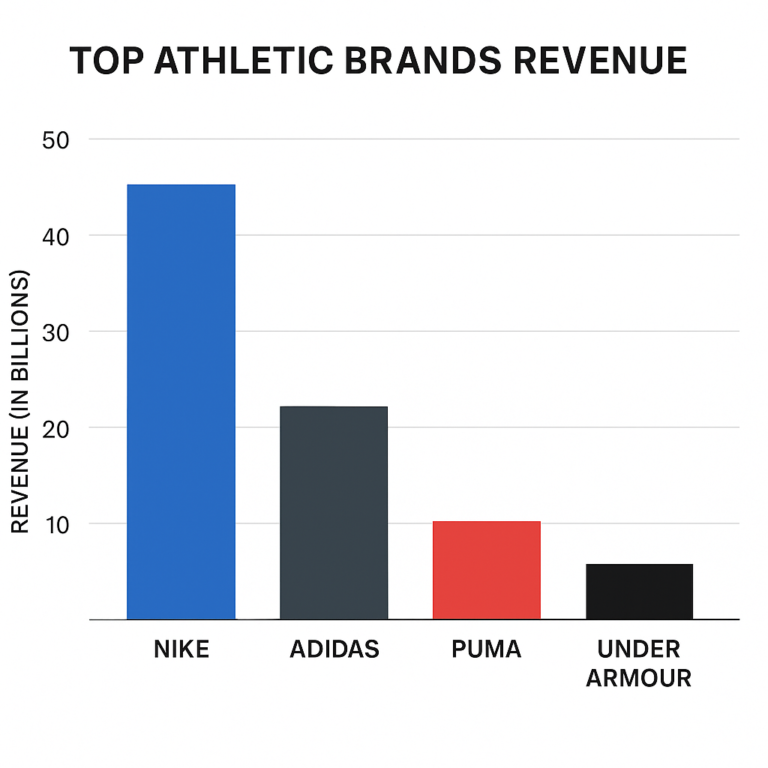
If we had to crown a winner based on sher dominance and cultural impact, Nike still holds the crown. They have the scale, the tech, and the brand recognition that no one else can match.
But if we’re talking about growth and innovation, the spotlight belongs to the challengers like Vuori, On, and Gymshark. They are proving that you don’t need to be the biggest to be the best.
And if we’re talking about community and lifestyle, Lulemon remains the undisputed queen. They have built a cult following that goes beyond just selling clothes.
The Real Winner?
The real winner is you, the consumer. The fierce competition has driven innovation, improved quality, and expanded choices. We now have access to gear that is more comfortable, more sustainable, and more stylish than ever before.
Our Recommendation:
Don’t stick to just one brand. Mix and match! Get your running shoes from Nike, your yoga pants from Lulemon, and your everyday hoodie from Vuori. The best wardrobe is a curated one.
Final Thought: The athleisure market isn’t slowing down; it’s evolving. The brands that can adapt to the changing tides of sustainability, technology, and consumer values will be the ones standing tall in 2030. And as long as we keep moving, the race will never end.
🔗 Recommended Links
Ready to upgrade your gear? Here are some top picks from our analysis:
- Best Overall Performance:
Nike Air Zoom Pegasus: Amazon | Nike Official - Best for Yoga & Comfort:
Lulemon Align Legings: Amazon | Lulemon Official - Best Sustainable Option:
Girlfriend Collective Compressive Legings: Amazon | Girlfriend Collective Official - Best for Everyday Comfort:
Skechers Go Walk: Amazon | Skechers Official - Best for Running Innovation:
On Cloudstratus: Amazon | On Official
Books to Read:
- Shoe Dog: A Memoir by the Creator of Nike by Phil Knight – Amazon
- The Athlete’s Way: How to Train Your Brain to Perform at Your Best by Max Lugavere – Amazon
❓ FAQ: Your Burning Questions About Athleisure Competitors Answered

What is the market outlook for athleisure?
The outlook is incredibly positive. The global athleisure market is projected to reach USD 689.04 billion by 2030, driven by the continued blurring of lines between athletic and casual wear, the rise of remote work, and a growing focus on health and wellness.
Read more about “🏆 31+ Best Premium Athleisure Brands Ranked for 2026”
Who is buying athleisure?
Athleisure buyers span all demographics, but the core audience includes millennials and Gen Z who value comfort, style, and versatility. However, the market is expanding to include seniors and kids as well, with brands offering inclusive sizing and age-appropriate designs.
Read more about “🏃 ♀️ 12 Steps to Master Athleisure Lifestyle Integration (2026)”
Who is the target audience for athleisure?
The target audience is anyone who values comfort without compromising style. This includes fitness enthusiasts, remote workers, students, and anyone who wants to look good while feeling good. The “active lifestyle” consumer is the primary target.
Read more about “15+ Top Athletic Brands for Inclusive Sizing & Diverse Lines 🏆”
Who are the key players in the athleisure market?
The key players include Nike, Adidas, Lulemon, Under Armour, Puma, VF Corporation (The North Face, Vans), ASICS, Skechers, New Balance, and Columbia. Additionally, emerging challengers like Vuori, On, and Gymshark are rapidly gaining market share.
Read more about “🏆 Top 15 Luxury Athleisure Collaborations That Actually Perform (2026)”
What are the top emerging athleisure brands in 2024?
The top emerging brands include Vuori (known for its soft fabrics and men’s wear), On (disrupting the running shoe market), Gymshark (built on social media), and Alo Yoga (the cool girl brand). These brands are growing faster than the incumbents.
Read more about “🏆 Top 15 Designer Sportswear Brands for Men (2026)”
How does Lulemon compare to its main competitors in the athleisure market?
Lulemon stands out for its premium pricing, cult-like brand loyalty, and focus on yoga and lifestyle. While Nike and Adidas dominate in performance and sneakers, Lulemon excels in the “everyday luxury” segment. Their community-driven approach and high-quality fabrics keep them ahead in the premium space.
Read more about “🏆 The Most Popular Gym Brand Revealed: 2026’s Top 19 Ranked”
Which athleisure brands offer the best value for money?
Skechers and New Balance offer excellent value for money, especially in footwear. For apparel, Champion and Gymshark provide high-quality gear at more accessible price points. Girlfriend Collective is also a great value for sustainable options.
Read more about “🏆 Which Gym Clothing Brand Is Best? (2026)”
What are the biggest challenges facing established athleisure companies today?
The biggest challenges include supply chain disruptions, rising raw material costs, the need for sustainability, and the pressure to innovate. Additionally, established brands are struggling to keep up with the agility of smaller, challenger brands that can adapt to trends faster.
How does the “DTC” model affect brand success?
While Direct-to-Consumer (DTC) offers higher margins and direct customer data, it also comes with high acquisition costs and logistical challenges. A balanced approach that includes both DTC and wholesale partnerships is often the most successful strategy, as seen with brands like Nike and Lulemon.
Read more about “👑 Who Owns Athletic Brands? The Shocking Truth (2026)”
📚 Reference Links
- Research and Markets: Athleisure Market Size, Competitors & Forecast to 2032
- Mordor Intelligence: Athleisure Market Competitors & Analysis
- Nike, Inc.: Official Website
- Adidas AG: Official Website
- Lulemon Athletica Inc.: Official Website
- Under Armour, Inc.: Official Website
- Puma SE: Official Website
- VF Corporation: Official Website
- ASICS Corporation: Official Website
- Skechers U.S.A., Inc.: Official Website
- New Balance Athletics, Inc.: Official Website
- Columbia Sportswear Company: Official Website
- Vuori Clothing: Official Website
- On Running: Official Website
- Gymshark: Official Website
- Alo Yoga: Official Website
- Girlfriend Collective: Official Website