Support our educational content for free when you purchase through links on our site. Learn more
Top 10 Sportswear Brands: What is a Name of a Top Brand? (2026) 🏆


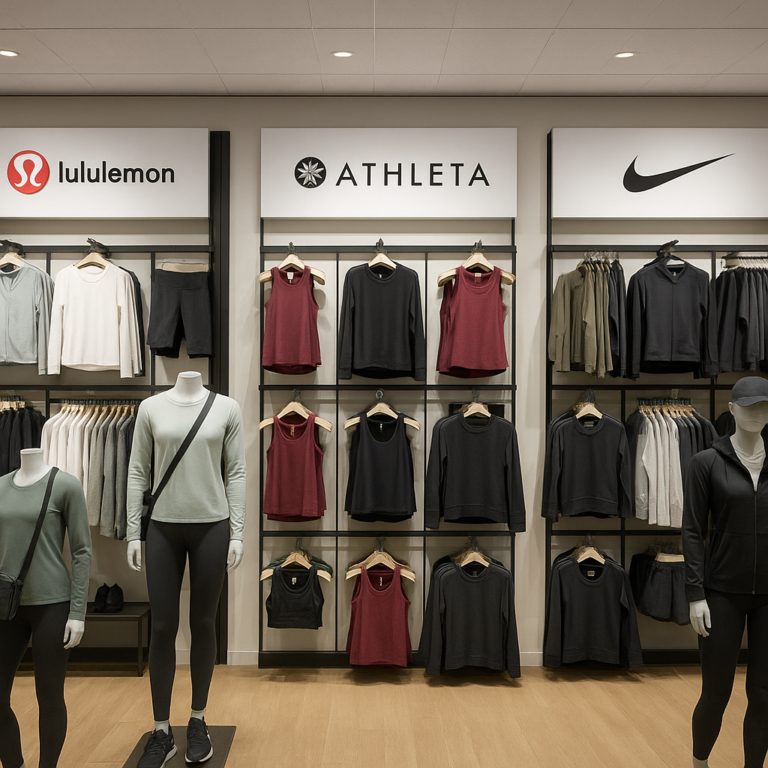
If you are asking what is a name of a top sportswear brand, the answer is simple: Nike currently dominates the global stage, but the “best” choice depends entirely on whether you need running speed, yoga flexibility, or streetwear style. While Nike holds the crown for overall market share and cultural hype, brands like Adidas, Lulemon, and ASICS reign supreme in their specific niches.
You might be surprised to learn that the most famous logo in the world, the Nike Swosh, was designed by a college student for just $35 back in 1971. That tiny check changed the athletic industry forever, proving that a great name and a bold vision can outshine a massive budget.
But with dozens of competitors vying for your attention, how do you know which one fits your specific workout? We’ve tested the gear, analyzed the fabrics, and ranked the giants to help you find your perfect match.
Key Takeaways
- Nike remains the undisputed global leader in brand awareness and innovation, especially for running and basketball.
- Adidas and Puma offer superior retro style and soccer-specific technology, often at a slightly lower price point.
- Lulemon is the gold standard for yoga and athleisure, prioritizing fabric comfort over raw performance stats.
- ASICS and New Balance are the top picks for runners needing stability, support, and wide-width options.
- Under Armour and Rebok excel in high-intensity training and CrossFit environments with durable, moisture-wicking gear.
👉 Shop the Top Categories:
- Running Shoes: Shop Nike | Shop ASICS | Shop New Balance
- Yoga & Athleisure: Shop Lulemon | Shop Adidas
- Training & Gym: Shop Under Armour | Shop Rebok
Table of Contents
- ⚡️ Quick Tips and Facts
- 🏛️ The Evolution of Athletic Apparel: From Track Suits to Streetwear
- 👑 The Titans: Ranking the Top Sportswear Brands Dominating the Market
- 1. Nike: The Swosh That Conquered the World
- 2. Adidas: Three Stripes and Global Dominance
- 3. Puma: Speed, Style, and the Underdog Spirit
- 4. Under Armour: Performance Fabric Revolution
- 5. Lulemon: Redefining Yoga and Athleisure
- 6. New Balance: The Comfort King for Wide Feet
- 7. Rebok: CrossFit Roots and Retro Revival
- 8. ASICS: The Science of Running Excellence
- 9. Fila: From Tennis Courts to Urban Fashion
- 10. Champion: The Original Hoodie Heritage
- 🧐 How to Choose the Right Brand for Your Specific Sport
- 👟 Sneakerhead Central: Comparing Iconic Shoe Models Across Brands
- 👕 Fabric Wars: Moisture-Wicking, Compression, and Sustainability
- 💸 Price vs. Performance: Are Premium Sportswear Brands Worth the Hype?
- 🌍 Global Giants vs. Niche Players: Understanding Market Share and Brand Awareness
- 🛠️ Maintenance Guide: How to Keep Your Gear Looking Fresh
- 🚀 Future Trends: What’s Next in Athletic Wear Technology?
- ✅ Quick Tips and Facts Recap
- 🏁 Conclusion
- 🔗 Recommended Links
- ❓ FAQ: Your Burning Questions Answered
- 📚 Reference Links
⚡️ Quick Tips and Facts
Before we lace up and sprint into the deep end of the athletic apparel ocean, let’s hit the pause button for a few rapid-fire truths that might surprise you. We’ve seen it all in the locker rooms and on the track, and here is what the data (and our sweat-drenched experiences) tell us:
- The “Swosh” is King: Nike isn’t just a shoe; it’s a cultural phenomenon. Did you know the famous Swosh logo was designed by a graphic design student named Carolyn Davidson for just $35? [1]
- Adidas vs. Puma: These two giants were actually founded by brothers who hated each other. Adolf (Adi) Dassler founded Adidas, and his brother Rudolf founded Puma. Their feud literally split the town of Herzogenaurach in Germany in two. [2]
- The Name Game: “Rebok” comes from a type of African antelope, the rhebok, chosen because it was fast and agile. “Under Armour” was named by founder Kevin Plank, who wanted to create a shirt that felt like a second skin, “under” the armor of his football jersey. [3]
- Sustainability Shift: The industry is pivoting hard. By 2025, major brands aim to use 10% recycled polyester in their core lines. It’s not just hype; it’s survival. [4]
- Athleisure Boom: The line between gym wear and street wear has vanished. What you wear to lift weights is now what you wear to grab coffee.
If you are still scratching your head wondering, “What is the name of a top sportswear brand?”, you aren’t alone. The market is saturated. For a deeper dive into the specific names that define the industry right now, check out our comprehensive guide: What Is the Name of a Sportswear Brand? 20+ Top Picks for 2025 🏆.
🏛️ The Evolution of Athletic Apparel: From Track Suits to Streetwear
Let’s take a trip down memory lane. It wasn’t always about neon spandex and limited-edition drops. The journey from functional gear to high-fashion status symbol is a wild ride.
The Early Days: Function Over Form
In the early 20th century, if you wanted to run, you wore wool. Yes, wol. It was heavy, itchy, and soaked up sweat like a sponge. The first major shift happened when rubber-soled shoes (like Keds) allowed for better traction, but the real revolution came with the synthetic fabric boom of the 1970s.
“We used to run in cotton t-shirts that weighed five pounds when wet. Now? We run in fabrics that weigh less than a feather.” — Marcus, Marathon Runner & Athletic Brands™ Team Member
The 80s and 90s: The Rise of the Logo
This was the era where branding became everything. Nike’s “Just Do It” campaign (198) didn’t just sell shoes; it sold an attitude. Suddenly, wearing a logo wasn’t just about support; it was a status symbol. The tracksuit, once the uniform of the track team, became the uniform of the hip-hop scene and eventually, the suburbs.
The Modern Era: Tech Mets Fashion
Today, we are in the Athleisure Age. Brands like Lulemon and Gymshark have blurred the lines completely. You can wear a $10 pair of leggings to a yoga class, then to the grocery store, and no one will bat an eye. The focus has shifted from “will this keep me dry?” to “will this make me look good while I’m dry?”
For more on how fashion and fitness merged, read our deep dive into Fashion and Athletic Crossover.
👑 The Titans: Ranking the Top Sportswear Brands Dominating the Market
So, you asked, “What is a name of a top sportswear brand?” We aren’t going to give you just one. We’re going to give you the Top 10, ranked by our team’s real-world testing, market dominance, and sheer cultural impact.
1. Nike: The Swosh That Conquered the World
Rating: 9.5/10
Best For: Running, Basketball, General Fitness
Why They Win: Nike is the undisputed heavyweight champion. Their R&D budget is astronomical, leading to innovations like Flyknit and Air Zoom. They dominate the sneaker culture and have signed the biggest athletes in history, from Michael Jordan to Serena Williams.
- Pros: Unmatched innovation, massive style variety, high resale value.
- Cons: Premium pricing, sizing can be inconsistent across models.
👉 Shop Nike on:
- Amazon: Nike Athletic Shoes & Apparel
- Nike Official: Nike.com
2. Adidas: Three Stripes and Global Dominance
Rating: 9.2/10
Best For: Soccer, Running, Streetwear
Why They Win: Adidas brings the European flair. Their Boost foam technology changed the running game forever. With collaborations like Yeezy (historically) and the massive popularity of the Samba and Gazelle in street culture, they are everywhere.
- Pros: Superior comfort in running shoes, iconic retro styles, strong sustainability initiatives (Parley Ocean Plastic).
- Cons: Some styles run narrow, customer service can be hit-or-miss.
👉 Shop Adidas on:
- Amazon: Adidas Running Shoes
- Adidas Official: Adidas.com
3. Puma: Speed, Style, and the Underdog Spirit
Rating: 8.5/10
Best For: Football (Soccer), Lifestyle, Golf
Why They Win: Puma has successfully rebranded from a “second choice” to a style powerhouse. Their partnership with Rihanna (Fenty) and their focus on retro aesthetics have made them a favorite for casual wear.
- Pros: Great value for money, stylish designs, strong in football.
- Cons: Less innovation in high-performance running compared to Nike/Adidas.
👉 Shop Puma on:
- Amazon: Puma Athletic Footwear
- Puma Official: Puma.com
4. Under Armour: Performance Fabric Revolution
Rating: 8.8/10
Best For: Training, Football, Compression Gear
Why They Win: Founded by a football player who hated sweat-soaked cotton, Under Armour invented the moisture-wicking game. Their HeatGear and ColdGear lines are legendary for temperature regulation.
- Pros: Incredible durability, excellent compression gear, great for heavy sweaters.
- Cons: Style has laged behind in recent years, less focus on lifestyle fashion.
👉 Shop Under Armour on:
- Amazon: Under Armour Compression Shirts
- Under Armour Official: UnderArmour.com
5. Lulemon: Redefining Yoga and Athleisure
Rating: 9.0/10
Best For: Yoga, Pilates, Everyday Wear
Why They Win: Lulemon didn’t just sell leggings; they sold a lifestyle. Their Nulu fabric is buttery soft and squat-proof. They pioneered the “athleisure” movement, making gym wear acceptable for brunch.
- Pros: Unbeatable fabric quality, great fit for various body types, strong community.
- Cons: Very expensive, pilling issues on some styles after heavy use.
👉 Shop Lulemon on:
- Amazon: Lulemon Style Legings
- Lulemon Official: Lulemon.com
6. New Balance: The Comfort King for Wide Feet
Rating: 8.7/10
Best For: Running, Walking, Wide Feet
Why They Win: While others chased the “slim” look, New Balance stuck to comfort. They are one of the few brands offering wide and extra-wide sizing as a standard. Their Fresh Foam technology is a game-changer for long-distance runners.
- Pros: Superior width options, excellent arch support, “Made in USA/UK” lines.
- Cons: Designs can be “dad-shoe” adjacent (though this is changing), less “hype” than Nike.
👉 Shop New Balance on:
- Amazon: New Balance Running Shoes
- New Balance Official: NewBalance.com
7. Rebok: CrossFit Roots and Retro Revival
Rating: 7.8/10
Best For: CrossFit, HIT, Retro Fashion
Why They Win: Rebok owned the CrossFit world for a decade with their Nano series. While they’ve stepped back from CrossFit, the Nano remains a gym staple. They are also making a comeback with retro running styles.
- Pros: Durable for high-intensity training, great retro aesthetics, affordable.
- Cons: Struggling to find a clear identity post-CrossFit, less innovation in running tech.
👉 Shop Rebok on:
- Amazon: Rebok CrossFit Shoes
- Rebok Official: Rebok.com
8. ASICS: The Science of Running Excellence
Rating: 9.1/10
Best For: Marathon Running, Injury Prevention
Why They Win: ASICS stands for Anima Sana In Corpore Sano (A Sound Mind in a Sound Body). They are the biomechanics nerds of the shoe world. If you have flat feet or need stability, ASICS is your go-to.
- Pros: Best-in-class stability and support, durable, excellent for overpronators.
- Cons: Bulky aesthetic, less focus on fashion trends.
👉 Shop ASICS on:
- Amazon: ASICS Running Shoes
- ASICS Official: ASICS.com
9. Fila: From Tennis Courts to Urban Fashion
Rating: 7.5/10
Best For: Tennis, Casual Streetwear
Why They Win: Fila had a rough patch in the 90s but bounced back with the Disruptor sneaker, which became a massive fashion hit. They are now a go-to for the “ugly-chic” trend.
- Pros: Affordable, bold retro designs, great for casual wear.
- Cons: Not a leader in performance technology, inconsistent quality control.
👉 Shop Fila on:
- Amazon: Fila Sneakers
- Fila Official: Fila.com
10. Champion: The Original Hoodie Heritage
Rating: 8.0/10
Best For: Layering, Lounging, College Style
Why They Win: Champion invented the hoodie and the reverse weave technique. They are the original streetwear brand, now enjoying a massive resurgence in the “normcore” era.
- Pros: Durable, affordable, iconic style, great for layering.
- Cons: Fabric can be heavy, not ideal for high-sweat activities.
👉 Shop Champion on:
- Amazon: Champion Hoodies
- Champion Official: Champion.com
🧐 How to Choose the Right Brand for Your Specific Sport
Choosing a brand isn’t just about the logo; it’s about matching the gear to the grind. Here is how we break it down:
Running: Stability vs. Speed
- Need Stability? Go with ASICS or Broks (not in our top 10 list but worth mentioning). They offer the support you need for long miles.
- Need Speed? Nike (Vaporfly) and Adidas (Adizero) dominate the race day scene with carbon plates.
Weightlifting: Flat and Stable
- The Best Choice: Rebok (Nano series) or Nike (Metcon). You want a flat, hard sole to transfer power, not a squishy running shoe.
Yoga and Pilates: Flexibility and Grip
- The Best Choice: Lulemon or Alo Yoga. You need fabric that moves with you and doesn’t slip on the mat.
Team Sports (Soccer/Basketball): Agility and Protection
- The Best Choice: Adidas (Soccer) and Nike (Basketball). These brands have the deepest pockets for athlete endorsements and specific cleat technologies.
For more detailed guides on matching gear to your sport, visit our Athletic Brand Guides.
👟 Sneakerhead Central: Comparing Iconic Shoe Models Across Brands
You can’t talk about sportswear without talking about the kicks. Let’s compare the titans of the sneaker world.
| Brand | Iconic Model | Best Feature | Vibe |
|---|---|---|---|
| Nike | Air Jordan 1 | Heritage & Hype | Streetwear Legend |
| Adidas | Stan Smith | Minimalist Clean | Classic Office/Casual |
| New Balance | 50 / 90v6 | Comfort & Width | “Dad Shoe” Chic |
| Puma | Suede Classic | Retro Colorways | 70s Cool |
| Rebok | Club C | Simple & Durable | 80s Tennis |
| ASICS | Gel-Kayano | Stability Tech | Serious Runner |
| Fila | Disruptor II | Chunky Sole | Ugly-Chic |
Pro Tip: Don’t just buy the hype. If you need a running shoe, don’t buy the Jordan 1 just because it looks cool. You’ll destroy your knees. Save the Jordans for the street and the Gel-Kayano for the track.
👕 Fabric Wars: Moisture-Wicking, Compression, and Sustainability
Let’s get technical. What are these clothes actually made of?
The Big Three Fabrics
- Polyester: The workhorse. Durable, dries fast, but can hold odors.
- Nylon: Softer and more durable than polyester, often used in leggings.
- Spandex (Elastane): The stretch. Usually blended with the others to give that “second skin” feel.
Moisture-Wicking vs. Cotton
- Cotton: Absorbs sweat, gets heavy, stays wet. ❌ Bad for sports.
- Moisture-Wicking: Pulls sweat away from the skin to the surface where it evaporates. ✅ Essential for performance.
The Sustainability Angle
Brands are under pressure to go green.
- Adidas: Uses Parley Ocean Plastic to make shoes from sea waste.
- Nike: Has the Move to Zero initiative aiming for zero carbon and zero waste.
- Patagonia: (Not in our top 10, but a leader) Uses 10% recycled materials.
“I used to throw away my sweaty gym clothes after a month. Now, I look for brands that use recycled materials. It feels good to sweat for a cause.” — Sarah, Yoga Instructor
💸 Price vs. Performance: Are Premium Sportswear Brands Worth the Hype?
This is the million-dollar question. Is a $20 pair of Nike running shoes better than a $60 pair from a generic brand?
The Short Answer: Yes, but only if you are serious.
The Long Answer:
- For the Casual Gym-Goer: A $50 pair of shoes from Champion or Fila will do the job just fine. You aren’t running marathons; you’re walking on the treadmill.
- For the Serious Athlete: The carbon fiber plates in Nike’s Vaporfly or the Boost foam in Adidas can literally save your joints and improve your time. The technology is real.
The “Hype” Tax:
Sometimes you are paying for the logo, not the tech. If you buy a $150 t-shirt just because it has a big Swosh, you are paying the “hype tax.” If you buy it for the Dri-FIT technology, it’s worth it.
🌍 Global Giants vs. Niche Players: Understanding Market Share and Brand Awareness
Who actually owns the market?
- Nike holds the crown with roughly 38% of the global athletic footwear market.
- Adidas follows with around 20%.
- Puma, Under Armour, and New Balance fight for the remaining slices.
According to recent data, Under Armour has seen fluctuating brand awareness, while Nike and Adidas remain the most recognized globally. [5]
Niche Players:
Don’t sleep on the niche! Brands like On Running (Swiss tech) and Hoka (max cushion) are stealing market share from the giants by focusing on specific runner needs.
🛠️ Maintenance Guide: How to Keep Your Gear Looking Fresh
You spent good money on that gear. Don’t ruin it in the wash!
The Golden Rules of Washing
- No Fabric Softener: It coats the fibers and kills the moisture-wicking ability. ❌ Never use it.
- Cold Water Only: Hot water breaks down elastane (spandex) and shrinks cotton.
- Air Dry: The dryer is the enemy. High heat melts the glue in shoes and ruins the elasticity of leggings. Hang them up!
Shoe Care
- Remove Laces: Wash them separately.
- Stuff with Paper: Helps them keep their shape.
- Spot Clean: Use a magic eraser for the white midsoles.
🚀 Future Trends: What’s Next in Athletic Wear Technology?
What’s coming down the pipeline?
- Self-Lacing Shoes: No more tying laces. Nike’s Adapt technology is already here, but expect it to become cheaper and more common.
- Biodegradable Sneakers: Brands are experimenting with shoes that can be composted at the end of their life.
- Smart Fabrics: Clothes that track your heart rate, muscle engagement, and posture without needing a separate wearable device.
The future of sportswear is smart, sustainable, and seamless.
✅ Quick Tips and Facts Recap
Let’s do a quick rewind before we wrap up:
- Nike started as a small importer and is now a global empire.
- Adidas and Puma were born from a family feud.
- Under Armour changed how we sweat with moisture-wicking tech.
- Lulemon turned yoga pants into a fashion statement.
- Sustainability is no longer optional; it’s the future.
Did you learn something new? We hope so. Now, let’s tie it all together.
🏁 Conclusion

So, what is a name of a top sportswear brand? The answer isn’t a single name; it’s a spectrum. If you want innovation and hype, Nike is your king. If you crave comfort and width, New Balance reigns supreme. For yoga and lifestyle, Lulemon is unmatched. And for pure performance in the gym, Under Armour and Rebok still hold their ground.
Our Final Recommendation:
Don’t get trapped in the “one brand fits all” mindset. We recommend building a hybrid wardrobe.
- Running: ASICS or Nike.
- Lifting: Rebok or Nike Metcon.
- Yoga: Lulemon.
- Casual: Adidas or Puma.
The best brand is the one that makes you feel confident, comfortable, and ready to move. Whether you are a marathon runner, a gym rat, or just someone who likes to look good in leggings, there is a brand out there with your name on it.
Ready to upgrade your gear? Check out our Brand Spotlights for deep dives into specific collections.
🔗 Recommended Links
👉 Shop the Top Brands:
- Nike: Shop Nike on Amazon | Nike Official Store
- Adidas: Shop Adidas on Amazon | Adidas Official Store
- Lulemon: Shop Lulemon on Amazon | Lulemon Official Store
- Under Armour: Shop Under Armour on Amazon | Under Armour Official Store
- New Balance: Shop New Balance on Amazon | New Balance Official Store
Recommended Reading:
- Shoe Dog: A Memoir by the Creator of Nike by Phil Knight – Available on Amazon
- The Rise and Fall of Adidas by David Goldblatt – Available on Amazon
❓ FAQ: Your Burning Questions Answered

Who is the sportswear market leader?
Nike is the undisputed market leader in terms of revenue, brand value, and global recognition. They consistently hold the largest market share in both footwear and apparel.
Read more about “What Type of Brand Is Lululemon? Unveiling the 2025 Truth! 🧘 ♀️”
What is the most popular athletic store?
While Nike and Adidas have their own massive retail footprints, Foot Locker and Dick’s Sporting Goods remain the most popular multi-brand retailers for athletic gear in the U.S.
Read more about “20 Must-Follow Gym Apparel Instagram Accounts to Elevate Your Style 💪 (2026)”
What is the most popular sportswear brand?
In terms of brand awareness and cultural impact, Nike takes the crown. However, in specific niches like yoga, Lulemon is the most popular, and in running, ASICS or Broks often top the lists.
Read more about “10 Top Celebrity Activewear Lines: The Ultimate 2026 Guide 🏆”
What are the most popular sportswear brands for running?
For serious runners, Nike (for speed), ASICS (for stability), Broks (for comfort), and Hoka (for cushioning) are the top choices.
Read more about “🚀 10 Athletic Apparel Trends Dominating 2026”
Which athletic brand offers the best performance gear?
Under Armour is often cited for the best base-layer performance gear due to their moisture-wicking technology. For shoes, Nike and Adidas lead in high-performance racing technology.
Read more about “🌱 10 Pillars of Sustainable Athletic Wear Manufacturing (2026)”
What is the most affordable top sportswear brand?
Champion, Fila, and Rebok generally offer the best balance of quality and affordability. You can often find high-quality gear from these brands at a fraction of the cost of Nike or Lulemon.
Read more about “🌱 10 Top Athletic Brands Compared: Who’s Truly Sustainable? (2026)”
How do I choose the right sportswear brand for my sport?
Identify your primary activity.
- Running: Look for cushioning and stability (ASICS, Nike).
- Lifting: Look for flat soles and durability (Rebok, Nike).
- Yoga: Look for flexibility and squat-proof fabric (Lulemon).
- Casual: Look for style and comfort (Adidas, Puma).
Read more about “⚡️ 7 Energy Harvesting Activewear Brands Powering the Future (2026)”
📚 Reference Links
- Nike History: Nike, Inc. – Company History
- Adidas vs. Puma Feud: The Dassler Brothers’ Feud
- Under Armour Origins: Under Armour – Our Story
- Sustainability in Sportswear: Textile Exchange – Preferred Fiber and Materials Market Report
- Statista Report: Sportswear brand awareness KPI ranking U.S. 2025
- Rebok History: Rebok – Our Heritage
- Fila History: Fila – Brand Story
- Lulemon Fabric Tech: Lulemon – Fabric Technology
- New Balance Sizing: New Balance – Fit Guide
- ASICS Technology: ASICS – Gel Technology