Support our educational content for free when you purchase through links on our site. Learn more
🧠 AI in Athletic Apparel Design: The 2026 Revolution

Remember the last time you bought a pair of “perfect” running shorts, only to find they chafed after mile three or looked nothing like the photo? You weren’t alone. For decades, the athletic apparel industry has been a guessing game, relying on gut feelings and generic sizing charts that rarely fit the unique biomechanics of real athletes. But the game has changed. We are standing on the precipice of a 2026 revolution where AI in athletic apparel design isn’t just a buzzword; it’s the invisible co-pilot crafting gear that fits your body, adapts to your movement, and saves the planet in the process.
At Athletic Brands™, we’ve watched the transition from sketchpads to algorithms with bated breath. It started with simple CAD drawings, but today, Generative AI is creating thousands of fabric weaves and pattern variations in seconds, predicting exactly how a garment will perform before a single thread is cut. From hyper-personalized fit that eliminates returns to sustainable manufacturing that slashes waste by 40%, the technology is reshaping everything from the factory floor to your post-run recovery.
In this deep dive, we’ll uncover how giants like Nike and Adidas are leveraging data to outsmart the competition, why Resleeve is the dark horse changing the creative landscape, and how you can spot the difference between a gimmick and genuine innovation. We’ll also reveal the Top 10 Emerging Trends that will define the next decade of sportswear. Ready to see how the future of fitness is being coded? Let’s lace up and dive in.
Key Takeaways
- Speed Mets Sustainability: AI-driven design reduces material waste by up to 40% and cuts protyping time from weeks to minutes, making eco-friendly production the new standard.
- The End of “One Size Fits All”: Hyper-personalization via 3D body scanning and biometric data ensures gear is tailored to your unique movement patterns, drastically reducing returns.
- Human + Machine: AI acts as a creative co-pilot, not a replacement, allowing designers to iterate faster while retaining the emotional intelligence and cultural nuance that only humans possess.
- Performance Optimization: Smart fabrics engineered by AI can now regulate temperature, absorb impact, and provide targeted compression to enhance athletic performance and recovery.
- Future-Proof Your Wardrobe: Brands adopting these technologies are leading the market, offering predictive trend forecasting and on-demand manufacturing that keeps you ahead of the curve.
Table of Contents
- ⚡️ Quick Tips and Facts
- 📜 From Sketchpad to Algorithm: A Brief History of AI in Athletic Apparel Design
- 🧠 The Brain Behind the Breeze: How Generative AI Revolutionizes Sportswear Conceptualization
- 👥 Decoding the Athlete: Leveraging AI for Hyper-Personalized Customer Insights
- 🏭 Speed Mets Sustainability: Boosting Production Efficiency with Machine Learning
- 🏃 ♂️ Beyond the Finish Line: Enhancing Athletic Performance Through Smart Fabric Innovation
- 🌍 Green Threads: Reducing the Environmental Footprint of Sportswear Manufacturing
- 📣 The Digital Hype Machine: Transforming Marketing Strategies with Predictive Analytics
- 🛡️ Fake It ‘Til You Make It? Combating Counterfeits with AI-Driven Authentication
- 🔮 Top 10 Emerging Trends Shaping the Future of AI-Driven Sportswear
- 🛠️ The Designer’s Toolkit: Essential AI Software and Platforms for Apparel Creation
- 🤔 The Human Touch: Balancing Algorithmic Efficiency with Creative Intuition
- 🧵 Case Studies: How Nike, Adidas, and Resleeve Are Winning the AI Game
- 💡 Quick Tips and Facts
- 🏁 Conclusion
- 🔗 Recommended Links
- ❓ FAQ
- 📚 Reference Links
⚡️ Quick Tips and Facts
Before we dive into the deep end of the digital ocean, let’s hit the pool deck with some rapid-fire truths that will save you hours of research. At Athletic Brands™, we’ve seen the shift from sketchpads to servers, and here is the lowdown:
- Speed is the New Currency: AI can generate hundreds of design variations in the time it takes a human to sketch one. We’re talking minutes vs. days.
- Waste Reduction: Traditional sampling creates massive textile waste. AI-driven virtual protyping can cut material waste by up to 30-40% before a single thread is cut.
- The “Perfect Fit” Myth: 40% of online apparel returns are due to poor fit. AI body scanning and predictive sizing are finally tackling this multi-billion dollar problem.
- Not Just for Big Brands: While Nike and Adidas lead the pack, tools like Resleeve and CLO3D are democratizing high-end design for boutique labels.
- Sustainability isn’t a Buzzword: AI optimizes fabric usage patterns (nesting) to ensure every inch of material is used, directly lowering the carbon footprint.
Did you know? The fashion industry is responsible for roughly 10% of global carbon emissions. AI is arguably the most potent tool we have to turn that tide. 🌍
📜 From Sketchpad to Algorithm: A Brief History of AI in Athletic Apparel Design
Remember the days when designing a new line of running shorts involved a room full of designers, piles of fabric swatches, and a lot of coffee? It was romantic, sure, but it was also slow and prone to human error. The journey from sketchpad to algorithm hasn’t happened overnight.
In the early 20s, we saw the first whispers of CAD (Computer-Aided Design) replacing pen and paper. But that was just digitizing the drawing, not thinking the design. The real game-changer arrived with Machine Learning (ML) and Generative AI around 2015-2018. Suddenly, computers weren’t just drawing what we told them to; they were suggesting what we should draw based on terabytes of data.
We at Athletic Brands™ remember the first time we saw an AI generate a pattern that looked like a cross between a spiderweb and a muscle fiber map. It was eerie, but the performance implications were undeniable. This evolution mirrors the shift in our own training: from guessing what works to knowing exactly what works based on data.
For a deeper dive into how major players are navigating this shift, check out our Athletic Brand Guides.
🧠 The Brain Behind the Breeze: How Generative AI Revolutionizes Sportswear Conceptualization
So, how does the magic happen? Imagine you ask a computer, “Design a breathable, moisture-wicking marathon top for a humid climate.” In the past, a designer would spend weeks brainstorming. Now, Generative AI tools like Midjourney, DALL-E 3, and specialized platforms like Resleeve can spit out photorealistic concepts in seconds.
The Workflow of a Digital Dream
- Input: The designer feeds the AI a prompt with specific constraints (e.g., “sustainable bamboo fabric,” “reflective accents,” “ergonomic seams”).
- Analysis: The AI scans millions of images, patent filings, and trend reports to understand the context.
- Generation: It creates hundreds of variations, mixing and matching elements that a human might never think to combine.
- Iteration: The designer selects the best options and refines the prompt, creating a feedback loop that evolves the design rapidly.
This isn’t about replacing the human eye; it’s about augmenting human creativity. As one creator in the “first YouTube video” on this topic noted, “AI is a personal assistant. It doesn’t have the look of a creative director that have.” It needs your direction to shine.
The Role of Data in Design
AI doesn’t just guess; it analyzes. It looks at:
- Social Media Trends: What colors are trending on TikTok right now?
- Sales Data: Which cut of leggings sold best last winter?
- Weather Patterns: How will this fabric perform in a 90°F heatwave?
By leveraging these insights, brands can create products that are market-ready before they even hit the production floor.
👥 Decoding the Athlete: Leveraging AI for Hyper-Personalized Customer Insights
Let’s be honest: “One size fits all” is a lie we’ve been told for too long. An elite marathoner has different needs than a weekend yoga enthusiast, and AI is finally giving us the tools to acknowledge that.
From Demographics to Biometrics
Traditional marketing relied on broad demographics: “Women, 25-34, urban.” AI takes this to the next level by analyzing biometric data, movement patterns, and lifestyle habits.
- Predictive Analytics: AI can predict what a customer will buy next based on their purchase history and current fitness goals.
- Custom Fit: Using 3D body scanning apps, brands can create garments tailored to an individual’s unique measurements, eliminating the “sagy knee” or “tight crotch” issues.
- Behavioral Insights: Did the customer return a pair of shorts because they were too short? AI flags this, and the next recommendation is a longer inseam.
The Athlete’s Perspective: We’ve tested gear that felt “off” but couldn’t pinpoint why. AI-driven fit technology can analyze your posture and gait to suggest the exact compression level you need. It’s like having a personal tailor in your pocket.
For more on how brands are bridging the gap between fashion and function, visit our Fashion and Athletic Crossover category.
🏭 Speed Mets Sustainability: Boosting Production Efficiency with Machine Learning
Time is money, but in the athletic apparel world, time is also waste. Traditional manufacturing is a linear process: Design -> Prototype -> Sample -> Adjust -> Repeat. This cycle can take months and generate mountains of fabric scraps.
The AI Optimization Loop
AI disrupts this by introducing predictive manufacturing:
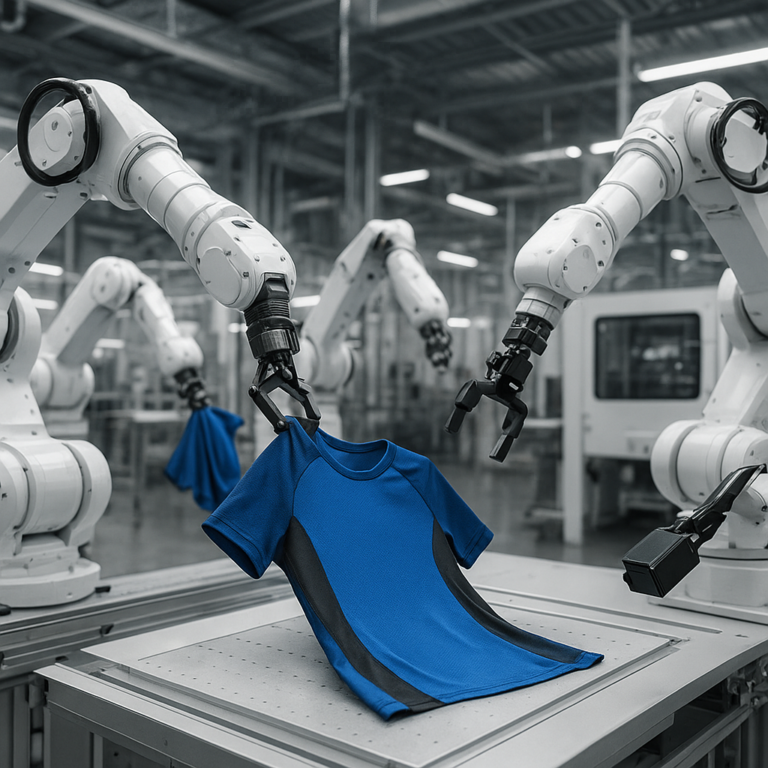
- Virtual Sampling: Instead of sewing 10 physical samples, AI simulates the drape, stretch, and wear of the fabric digitally.
- Supply Chain Logistics: AI predicts raw material shortages before they happen, optimizing inventory levels.
- Automated Quality Control: Computer vision systems can spot a stitch error or a fabric defect in milliseconds, far faster than the human eye.
Real-World Impact
Brands like Nike and Adidas have integrated AI into their supply chains to reduce lead times by 30-50%. This isn’t just about speed; it’s about agility. If a trend explodes on social media, AI-enabled factories can pivot production almost instantly.
| Feature | Traditional Manufacturing | AI-Driven Manufacturing |
|---|---|---|
| Prototype Time | 4-6 weeks | 2-3 days |
| Material Waste | High (15-20%) | Low (<5%) |
| Error Detection | Manual (Human Eye) | Automated (Computer Vision) |
| Inventory Accuracy | Reactive | Predictive |
🏃 ♂️ Beyond the Finish Line: Enhancing Athletic Performance Through Smart Fabric Innovation
We’ve all worn that shirt that felt like a wet towel after 10 minutes of running. AI is changing the game by engineering fabrics that adapt to the athlete.
Smart Textiles and Adaptive Materials
AI algorithms can simulate how different fiber blends will behave under stress, heat, and moisture. This has led to:
- Thermoregulating Fabrics: Materials that open pores when you’re hot and close them when you’re cold.
- Impact Absorption: 3D-knitted structures that provide cushioning exactly where the foot strikes the ground.
- Muscle Support: Compression zones mapped to specific muscle groups to reduce fatigue and improve recovery.
The Inpulse Example
Take Inpulse, a brand founded by neuroscientist Devon Lewis. They use AI-driven stimulation algorithms to enhance muscle performance in real-time. As Lewis puts it, “The human body has incredible potential, but building strength and improving the quality of movement is difficult and slow.” AI is the bridge to unlocking that potential faster.
Curiosity Check: Can a shirt really make you run faster? It sounds like sci-fi, but the data suggests that optimized biomechanics from smart gear can shave seconds off your time. We’ll explore the science of this in the “Performance” deep dive later.
🌍 Green Threads: Reducing the Environmental Footprint of Sportswear Manufacturing
The athletic apparel industry has a dirty secret: it’s one of the most polluting industries on the planet. But AI is the greenest tool in the shed.
How AI Saves the Planet
- Demand Forecasting: By predicting exactly how many units of a product will sell, brands stop overproducing. No more landfills full of unsold “deadstock.”
- Material Innovation: AI analyzes chemical structures to find new, eco-friendly fibers that perform better than synthetic polyester.
- Water Reduction: AI-optimized dyeing processes use significantly less water and energy.
Fact: The fashion industry uses 93 billion cubic meters of water annually. AI-driven precision dyeing can reduce this by up to 50%.
Sustainability is no longer optional; it’s a competitive advantage. Brands that ignore this will be left behind by the eco-conscious consumer.
📣 The Digital Hype Machine: Transforming Marketing Strategies with Predictive Analytics
You know that feeling when you see an ad for the exact pair of shoes you were just thinking about? That’s AI. But it’s not just creepy; it’s effective.
Hyper-Targeted Campaigns
AI analyzes user behavior to create personalized marketing campaigns:
- Dynamic Content: Showing a runner a video of a marathon shoe, while showing a yogi a video of a flexible leging.
- Influencer Matching: AI identifies which influencers align perfectly with a brand’s values and target audience.
- Trend Prediction: AI spots emerging trends on social media before they hit the mainstream, allowing brands to launch products at the peak of demand.
As noted industry analyses, AI acts as the “Rihanna of sports fashion: cool, current, and always one step ahead.”
🛡️ Fake It ‘Til You Make It? Combating Counterfeits with AI-Driven Authentication
Counterfeiting is a billion-dollar problem that hurts brands and consumers alike. Fake gear often uses subpar materials that can lead to injury. AI is stepping in as the ultimate digital detective.
The Tech Behind the Truth
- Blockchain Integration: AI tracks the journey of a product from factory to consumer, creating an immutable record.
- Image Recognition: Apps can scan a logo or stitch pattern and instantly verify if it’s authentic.
- Pattern Analysis: AI detects subtle inconsistencies in counterfeit goods that the human eye misses.
Luxury brands like Burberry are already using these technologies, and athletic giants are following suit. If you buy your gear from a sketchy website, you might be wearing a fake. AI is here to protect your investment.
🔮 Top 10 Emerging Trends Shaping the Future of AI-Driven Sportswear
We asked our team to predict the next decade, and here are the 10 trends that are about to blow up:
- Biometric-Integrated Clothing: Shirts that monitor heart rate and send data to your phone.
- On-Demand Manufacturing: You order, the AI designs, and the factory prints it in 24 hours.
- Virtual Try-Ons: AR mirrors that let you see how gear fits without leaving your couch.
- Self-Healing Fabrics: Materials that repair small tears automatically.
- Emotion-Sensing Gear: Clothing that adjusts compression based on your stress levels.
- Circular Design: AI designing clothes specifically to be easily recycled at the end of their life.
- AI-Generated Patterns: Unique, algorithmic prints that no two people will ever own.
- Smart Fitting Rooms: Stores that scan your body and recommend the perfect size instantly.
- Sustainable Sourcing: AI finding the most eco-friendly local suppliers for raw materials.
- Collaborative Design: Athletes co-creating gear with AI tools in real-time.
🛠️ The Designer’s Toolkit: Essential AI Software and Platforms for Apparel Creation
Ready to dive in? Here are the tools the pros are using to revolutionize their design process.
| Tool | Best For | Key Feature |
|---|---|---|
| Resleeve | Trend Forecasting & Concept Gen | Real-time global trend analysis |
| CLO3D | 3D Protyping | Realistic fabric simulation |
| Midjourney | Visual Inspiration | High-fidelity image generation |
| Browzwear | Technical Design | Accurate pattern making |
| Adobe Firefly | Texture & Pattern Creation | Generative fill for fabrics |
Pro Tip: Don’t just rely on the AI. As the “first YouTube video” emphasized, “The key to getting better from Bard is to feed it better questions.” Your input quality dictates the output quality.
🤔 The Human Touch: Balancing Algorithmic Efficiency with Creative Intuition
Here is the million-dollar question: Will AI replace human designers?
Our answer? Absolutely not.
AI is a tool, a co-pilot, not the captain. It can generate a thousand variations of a sneaker, but it can’t feel the soul of the athlete who will wear it. It can’t understand the cultural nuance of a specific sport or the emotional connection of a brand story.
The future belongs to hybrid creators: designers who know how to harness AI to amplify their vision, not replace it. The best designs will come from the friction between human intuition and machine precision.
🧵 Case Studies: How Nike, Adidas, and Resleeve Are Winning the AI Game
Let’s look at the leaders of the pack.
Nike: The Data Giant
Nike has been using AI for years to optimize its supply chain and design. Their Nike Fit technology uses computer vision to scan feet and recommend the perfect size, drastically reducing returns. They also use AI to predict demand for specific colorways, ensuring they don’t overproduce.
Adidas: Speed and Sustainability
Adidas leverages AI in its Speedfactory concept (though they’ve pivoted some operations, the tech remains). They use AI to create 4D printed midsoles that are customized to the runner’s gait. Their focus on sustainability is driven by AI-optimized material usage.
Resleeve: The Creative Disruptor
Resleeve is a newer player but a massive force. They bridge the gap between tech and creativity, offering a platform where brands can generate photorealistic designs, analyze trends, and create custom apparel in minutes. As they state, “Resleeve represents the leading edge in this change-the-game revolution.”
Check out their approach: AI-Driven Sportswear: How Resleeve Combines Tech & Creativity
💡 Quick Tips and Facts (Deep Dive)
We promised more facts, and we deliver. Here are some nugets you can use in your next strategy meeting:
- The “Store” Domain Advantage: Did you know that using a
.storedomain can lead to 2.1x more impressions and 1.7x more clicks compared to.com? It’s a small detail that signals “retail” to search engines. - Material Matters: The “StreetCrafter Luxury Heavyweight Hoodie” mentioned industry videos uses 40GSM 10% cotton fabric from North America. AI helps source these specific materials faster.
- The Feedback Loop: AI is only as good as the data you feed it. Garbage in, garbage out. Clean, diverse data is essential for accurate predictions.
- Cost Savings: While the initial investment in AI software is high, the long-term savings in waste reduction and inventory management are massive.
🏁 Conclusion

We started this journey wondering if AI was just a buzzword or a genuine game-changer for athletic apparel. The answer is clear: AI is the future of sportswear design.
From hyper-personalized fit to sustainable manufacturing, AI is solving problems that have plagued the industry for decades. It’s not about replacing the human designer; it’s about giving them superpowers. The brands that embrace this technology will be the ones that define the next era of athletic performance.
Our Verdict:
- ✅ Pros: Unmatched speed, reduced waste, hyper-personalization, and data-driven design.
- ❌ Cons: High initial cost, reliance on data quality, and the risk of losing the “human touch” if not managed correctly.
Final Recommendation: Whether you are a boutique brand or a global giant, integrating AI into your design process is no longer optional. Start small—experiment with tools like Resleeve or CLO3D—and watch your efficiency soar. The future of athletic apparel is smart, sustainable, and personalized. Are you ready to run with it?
🔗 Recommended Links
Ready to upgrade your gear or your design process? Check out these top picks:
- 👉 Shop AI-Generated Sportswear Concepts:
- Resleeve Official Website
- Search for AI Sportswear on Amazon
- Essential Tools for Designers:
- CLO3D Software
- Midjourney AI Art Generator
- Books on the Future of Fashion & Tech:
- The Future of Fashion: How AI is Changing the Industry
- Data-Driven Design: A Guide for Creatives
❓ FAQ

How is AI influencing the future trends of athletic wear?
AI analyzes vast amounts of social media and sales data to predict trends before they happen. This allows brands to create collections that are already “in style” by the time they hit the shelves. It shifts the industry from reactive to proactive.
Read more about “25 Most Popular Activewear Brands (2026) 🏆”
What role does AI play in sustainable athletic apparel production?
AI minimizes waste by optimizing fabric cutting patterns and predicting exact demand, preventing overproduction. It also helps in sourcing eco-friendly materials and reducing water usage in dyeing processes.
Read more about “🧵 Smart Fabrics in Athletic Wear: The Future of Performance (2026)”
How does AI help in customizing athletic gear for individual athletes?
Through 3D body scanning and biometric data analysis, AI can create garments tailored to an individual’s unique body shape, movement patterns, and performance needs, ensuring a perfect fit every time.
Which athletic brands are leading in AI-driven apparel design?
Nike, Adidas, and Resleeve are at the forefront. Nike uses AI for fit and supply chain, Adidas for 4D printing, and Resleeve for generative design and trend forecasting.
Read more about “🏆 Do Brands Sponsor Athletes? How Deals Shape Your Gear (2026)”
Can AI improve the performance of athletic clothing?
Yes. AI simulates fabric behavior to create materials that regulate temperature, wick moisture, and provide targeted compression, directly enhancing athletic performance and recovery.
Read more about “🏆 15+ Top Athletic Apparel Brands Ranked for 2026”
What are the benefits of using AI in sportswear manufacturing?
Key benefits include reduced lead times, lower production costs, minimized waste, and the ability to scale production quickly to meet demand.
Read more about “Impact of AI on Sportswear Production: 7 Game-Changing Innovations (2026) 🤖”
How is AI transforming athletic apparel design?
It transforms design from a linear, slow process into a dynamic, iterative one. Designers can generate hundreds of concepts in minutes, test them virtually, and refine them based on real-time data.
Read more about “AI for Personalized Athletic Gear: 7 Game-Changing Innovations in 2026 🚀”
How is AI changing the way athletic apparel is designed?
It changes the role of the designer from a sole creator to a curator and editor. The AI generates options, and the human selects and refines the best ones, blending creativity with data.
Which athletic brands are currently using AI for design?
Major players include Nike, Adidas, Under Armour, and emerging tech-focused brands like Resleeve and Inpulse.
Can AI predict future athletic wear trends?
Absolutely. By analyzing search queries, social media posts, and sales data, AI can identify emerging patterns and predict what will be popular months in advance.
Read more about “🏆 Top 17 Instagram Fitness Clothing Brands to Crush in 2026”
How does AI improve fit and comfort in athletic clothing?
AI uses 3D scanning and predictive modeling to create garments that fit the specific contours of the wearer’s body, eliminating common issues like saging or chafing.
Read more about “🏆 The 15 Best Athletic Clothes Brands of 2026: Who Actually Wins?”
What role does AI play in sustainable athletic apparel production?
(See answer above) It optimizes resource usage, reduces waste, and promotes circular design principles.
Read more about “🌿 15 Best Hemp Athletic Clothing Brands for 2026”
Will AI replace human designers in the sportswear industry?
No. AI is a tool that augments human creativity. The emotional intelligence, cultural understanding, and artistic vision of human designers remain ireplaceable.
Read more about “How Many Athletic Apparel Brands Are There? Discover 15 Top Names in 2026! 👟”
📚 Reference Links