Support our educational content for free when you purchase through links on our site. Learn more
Is Lulemon Luxury Athleisure? The Real Answer 🧘

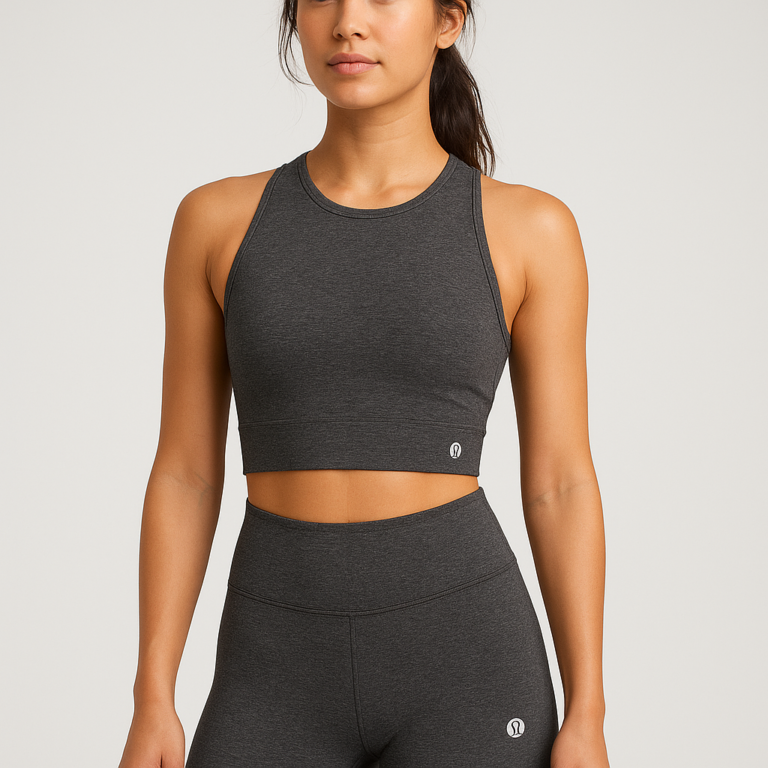
Is Lulemon considered a luxury athleisure brand? It’s best described as a premium activewear and athleisure brand with luxury-like pricing and status appeal—not a traditional luxury fashion house. Its technical fabrics, polished designs, and distinctive retail experience help explain the premium positioning, but the logo doesn’t guarantee every item is worth the splurge.
Our athletes have seen both sides: one pair of Lulemon leggings can become a weekly staple, while another pricey purchase may lose the rotation after a few workouts. The difference often comes down to fabric, fit, activity, and how much you value the brand experience—not simply the label.
Key Takeaways
- Lulemon is premium athleisure, not traditional luxury fashion.
- Its higher-end reputation comes from technical apparel, styling, community, and brand identity.
- Quality and comfort vary by product, fabric, activity, and personal fit.
- The premium may be worthwhile if you’ll wear the item often and it performs well for you.
- Compare specific garments with brands like Alo Yoga, Vuori, Nike, and Adidas before deciding.
Table of Contents
- ⚡ Quick Tips and Facts: Is Lulemon a Luxury Athleisure Brand?
- 🏷️ What “Luxury Athleisure” Really Means
- Luxury, Premium, and Mass-Market Activewear Compared
- Where Lulemon Fits on the Athleisure Spectrum
- 📜 Lulemon’s History and Rise in Premium Activewear
- From Vancouver Yoga Wear to Global Athleisure Brand
- How Community, Stores, and Brand Identity Built Its Reputation
- 🧵 Quality, Fabric, Fit, and Craftsmanship
- Lulemon’s Best-Known Fabrics and Their Uses
- Durability, Comfort, and Performance: What to Expect
- Sizing, Fit, and Product Consistency
- 💳 Why Lulemon Costs More
- What Influences Lulemon’s Pricing
- Does the Quality Justify the Premium?
- Cost Per Wear and Long-Term Value
- 🔍 Lulemon vs. Luxury and Premium Athleisure Brands
- Lulemon vs. Alo Yoga
- Lulemon vs. Vuori
- Lulemon vs. Nike and Adidas
- Lulemon vs. Designer Activewear Labels
- 🛍️ Best Lulemon Products for Different Activities
- Legings and Yoga Pants
- Running Gear and Training Clothes
- Everyday Athleisure and Accessories
- 🌿 Sustainability, Ethics, and Brand Responsibility
- Materials, Manufacturing, and Climate Goals
- Labor Practices and Supply-Chain Transparency
- How Lulemon’s Claims Compare With Independent Assessments
- 📈 Brand Image, Exclusivity, and Resale Value
- Is Lulemon a Status Symbol?
- Secondhand Lulemon: Resale and Product Longevity
- ✅ Who Should Buy Lulemon?
- Best Reasons to Choose Lulemon
- When Another Activewear Brand May Be a Better Fit
- How to Shop Lulemon More Strategically
- ❌ Common Misconceptions About Lulemon
- 🏁 Conclusion
- 🔗 Recommended Links
- ❓ FAQ
- Is Lulemon considered a luxury brand or a premium brand?
- Is Lulemon more expensive than other activewear brands?
- Are Lulemon clothes worth the money?
- Is Alo Yoga more luxurious than Lulemon?
- Why is Lulemon so popular?
- Does Lulemon offer a warranty or product guarantee?
- How can you tell whether Lulemon is worth buying for you?
- 📚 Reference Links
Table of Contents
- ⚡ Quick Tips and Facts: Is Lulemon a Luxury Athleisure Brand?
- 🏷️ What “Luxury Athleisure” Really Means
- Luxury, Premium, and Mass-Market Activewear Compared
- Where Lulemon Fits on the Athleisure Spectrum
- 📜 Lulemon’s History and Rise in Premium Activewear
- From Vancouver Yoga Wear to Global Athleisure Brand
- How Community, Stores, and Brand Identity Built Its Reputation
- 🧵 Quality, Fabric, Fit, and Craftsmanship
- Lulemon’s Best-Known Fabrics and Their Uses
- Durability, Comfort, and Performance: What to Expect
- Sizing, Fit, and Product Consistency
- 💳 Why Lulemon Costs More
- What Influences Lulemon’s Pricing
- Does the Quality Justify the Premium?
- Cost Per Wear and Long-Term Value
- 🔍 Lulemon vs. Luxury and Premium Athleisure Brands
- Lulemon vs. Alo Yoga
- Lulemon vs. Vuori
- Lulemon vs. Nike and Adidas
- Lulemon vs. Designer Activewear Labels
- 🛍️ Best Lulemon Products for Different Activities
- Legings and Yoga Pants
- Running Gear and Training Clothes
- Everyday Athleisure and Accessories
- 🌿 Sustainability, Ethics, and Brand Responsibility
- Materials, Manufacturing, and Climate Goals
- Labor Practices and Supply-Chain Transparency
- How Lulemon’s Claims Compare With Independent Assessments
- 📈 Brand Image, Exclusivity, and Resale Value
- Is Lulemon a Status Symbol?
- Secondhand Lulemon: Resale and Product Longevity
- ✅ Who Should Buy Lulemon?
- Best Reasons to Choose Lulemon
- When Another Activewear Brand May Be a Better Fit
- How to Shop Lulemon More Strategically
- ❌ Common Misconceptions About Lulemon
- 🏁 Conclusion
- 🔗 Recommended Links
- ❓ FAQ
- Is Lulemon considered a premium or luxury athletic clothing brand?
- How does Lulemon compare with other luxury athleisure brands?
- Why are Lulemon products more expensive than other athletic brands?
- What are the best alternatives to Lulemon for luxury activewear?
- 📚 Reference Links
⚡ Quick Tips and Facts: Is Lulemon a Luxury Athleisure Brand?
The short answer: Lulemon is best described as a premium athleisure brand with luxury-like positioning, rather than a traditional luxury fashion house. The distinction matters. Premium activewear combines technical performance, design, brand experience, and elevated pricing; traditional luxury usually leans more heavily on heritage, craftsmanship, rarity, and status.
For a broader explanation of what makes the label athleisure, see our guide Is Lulemon an athleisure brand?. You can also explore more Athletic Brand Guides from the Athletic Brands™ team.
| Quick fact | What it means for you |
|---|---|
| Brand category | Premium performance apparel and athleisure, with luxury-adjacent branding |
| Founded | Lulemon says its first store opened in Vancouver in 1998 |
| Main appeal | Technical fabrics, recognizable fits, polished styling, and a strong store-and-community experience |
| Luxury status | Not a conventional luxury fashion house; “luxury athleisure” is a consumer perception, not a formal universal classification |
| Best fit for | People who value fabric feel, fit, design, and versatile workout-to-everyday wear |
| Potential drawback | You may pay a substantial brand premium, and premium pricing does not guarantee every item will suit every body or activity |
| Smart shopping move | Compare the exact fabric and intended activity, check fit and care guidance, and judge value by how often you will wear it |
Our athletes have worn high-end tights that feel like a second skin—and pairs that cost more but spend most of their lives folded in a drawer. The logo alone doesn’t make gear luxurious. The useful question is whether the performance, construction, fit, and experience earn the premium for your needs.
Lulemon describes its edge as “top quality, technically advanced product” and points to proprietary innovation, guest experience, and community as differentiators on its corporate overview. That is the company’s own positioning, not independent proof that every garment outperforms competing gear. We’ll keep those perspectives separate as we go.
🏷️ What “Luxury Athleisure” Really Means
“Luxury athleisure” gets used loosely. One shopper may mean beautifully made, high-performing clothes with elevated styling. Another may mean designer labels, scarce releases, prestige pricing, and fashion-house heritage. Those are related ideas, but they are not identical.
Luxury, Premium, and Mass-Market Activewear Compared
| Category | Common characteristics | What shoppers tend to value | Typical examples |
|---|---|---|---|
| Mass-market activewear | Broad distribution, practical basics, frequent promotions, wide range of uses | Accessibility, availability, everyday function | Old Navy activewear, Decathlon |
| Performance sportswear | Sport-specific design, technical features, training or competition focus | Function, tested performance, athlete-focused design | Nike, Adidas, ASICS |
| Premium athleisure | Elevated fabrics, fit, styling, brand experience, and higher positioning | Comfort, versatility, quality feel, design | Lulemon, Vuori, Alo Yoga |
| Luxury designer activewear | Fashion-house branding, distinctive design codes, luxury retail context, often limited or fashion-led collections | Status, styling, label heritage, exclusivity | Activewear collections from Gucci or Prada |
These categories overlap. Nike can produce elite performance equipment as well as casual sportswear; a designer label can make a stylish sweatshirt that is not the best choice for a sweaty interval session. The garment’s purpose matters more than the category label.
Where Lulemon Fits on the Athleisure Spectrum
Lulemon sits in the premium performance-and-lifestyle zone. Its product range includes yoga apparel, running gear, training clothes, outerwear, and casual pieces. Its stores, community events, and brand storytelling also make shopping feel more like entering a lifestyle brand than buying a generic pair of tights.
That is why a useful shorthand is “premium athleisure with luxury-like cues.” It has recognizable branding and elevated prices, but it is not generally grouped with heritage luxury houses whose core business is luxury fashion and accessories.
The distinction also helps explain why sources may use different labels. A brand-positioning analysis may call Lulemon “luxury athleisure” because it highlights status, pricing, and aspirational retail. The company itself describes a technically advanced active-lifestyle brand, not a luxury fashion house. Both can be describing different aspects of the same business.
📜 Lulemon’s History and Rise in Premium Activewear
From Vancouver Yoga Wear to Global Athleisure Brand
Lulemon traces its beginnings to Vancouver, where its first store opened in 1998. The company’s early focus on yoga-inspired apparel helped it stand apart from sportswear built primarily around team sports and athletic competition. It connected technical clothing with a broader studio-to-street lifestyle.
The brand’s corporate history and positioning emphasize fashionable, functional products and a guest experience that has developed over time. That describes the company’s intended differentiation; it does not mean its garments have always been free of criticism or quality variation.
Lulemon’s rise also happened as yoga, boutique fitness, and casual athletic clothing became more visible in everyday wardrobes. Its leggings were no longer just workout kit. They could go from a class to errands, travel, or a coffee run—which made versatility part of the value proposition.
How Community, Stores, and Brand Identity Built Its Reputation
Lulemon has invested in stores as more than checkout points: the brand has used local events, educator interactions, and community programming to build relationships with shoppers. Its corporate messaging highlights product, guest experience, and community as parts of its brand proposition.
A Latana brand deep dive argues that Lulemon built “brand equity” around a product category—leggings—that competitors also sell. It also describes the company’s stores aspirational lifestyle destinations and notes that its strong identity can feel exclusive to some consumers. That analysis is useful for understanding the brand’s reputation, but it is a secondary interpretation, not a neutral certification of quality or luxury status.
There’s a real upside and a real trade-off here:
- ✅ Community can make the brand feel personal, especially for shoppers who like studio events and staff recommendations.
- ✅ A consistent identity helps customers recognize the style and fit.
- ❌ Strong lifestyle branding can make the logo feel more important than the garment’s actual use.
- ❌ An aspirational image may feel welcoming to some and cliquish to others.
The brand’s reputation, then, isn’t stitched into the fabric alone. It’s built in the store, on social feeds, in workout studios—and sometimes in the debate over whether the premium is worth it.
🧵 Quality, Fabric, Fit, and Craftsmanship
Lulemon’s strongest case is usually not “this is luxury because it has a logo.” It is that the clothes can combine comfort, stretch, coverage, shape retention, and thoughtful activity-specific details. The experience varies by garment, fabric, body, and use.
Lulemon’s Best-Known Fabrics and Their Uses
Lulemon’s fabric names and product details change across collections, so always check the description for the specific item rather than assuming a fabric behaves the same across every style.
| Fabric or family | Common use | Feel and practical strengths | What to check |
|---|---|---|---|
| Nulu™ | Yoga and low-impact training styles | Soft, light, and designed for a barely-there feel | Delicate feel may not be ideal for rough surfaces or heavy abrasion |
| Luon® | Yoga and everyday leggings | Supportive, cottony feel with a more substantial hand | Confirm the current item’s exact composition and care instructions |
| Everlux™ | Training and higher-sweat sessions | Designed to feel cool and dry quickly | “Quick-drying” does not mean sweat will be invisible |
| Nulux™ | Running and training tights | Lightweight, smooth, and slicker against the skin | Check compression and pocket layout for your activity |
| Swift fabric | Running apparel | Lightweight and often used in technical tops and outer layers | Consider weather, layering, and breathability needs |
These are broad descriptions based on the brand’s product language and changing product assortment. See Lulemon’s fabric and product information for current details. Fabric technologies are not magic spells: fit, garment construction, and care habits can matter just as much.
A quick way to choose a fabric
- Name the activity. Gentle yoga, hot yoga, running, and barbell training stress fabric differently.
- Decide how you want the garment to feel. Soft and brushed, slick and light, or more compressive?
- Check the product description. Look for intended use, pocket design, inseam, and care instructions.
- Test movement and coverage. Squat, hinge, reach, and walk around before removing tags if the retailer’s return policy allows it.
- Wash as directed. Heat, rough washing, and fabric softener can be hard on many technical textiles.
Durability, Comfort, and Performance: What to Expect
No activewear brand can promise that every product will last forever. A pair of leggings worn for gentle yoga twice a week has a different life from tights dragged through trail runs, daily strength sessions, and repeated hot washes.
In our team’s training rotation, the details that most affect day-to-day satisfaction are often modest rather than flashy:
- Opacity under movement: Test in bright light and in a deep squat.
- Waistband stability: A waistband that rolls or slides can ruin an otherwise excellent fit.
- Seam placement: Seams can reduce or create friction depending on your stride and body shape.
- Pilling and abrasion: Watch high-friction zones, particularly inner thighs and areas rubbed by bags or equipment.
- Moisture management: A light, fast-drying fabric can feel more comfortable in hard workouts, but performance depends on garment construction and conditions.
- Pocket usefulness: A secure pocket matters on a run; it matters less in a studio class.
Independent reviews and customer feedback can reveal recurring fit or durability concerns, but individual reviews should be read as experience reports, not controlled lab tests. On product pages, look for patterns across reviews—such as repeated comments about waistband movement or fabric pilling—rather than treating one glowing or furious review as a verdict.
Sizing, Fit, and Product Consistency
Lulemon offers a size guide, but a size label is not a guarantee of the same feel across fabrics and styles. A soft yoga tight and a compressive running tight can fit differently even when the tag shows the same size.
To choose a size more reliably:
- Measure your waist and hips and compare them with the official Lulemon size guide.
- Read the fit notes on the exact product page—some styles are designed to feel snug or compressive.
- Check the inseam. Full length, cropped, and shorter options can change how a tight sits and moves.
- Try a few movements. Squat, lunge, bend, and jog in place.
- Ask whether the garment stays comfortable after ten minutes. A fit that feels impressive for one mirror check may feel restrictive during training.
Our practical rule: choose the fit that lets you breathe, move, and focus—not the smallest size you can persuade onto your body. Compression is useful when it suits the activity; discomfort is not a performance feature.
💳 Why Lulemon Costs More
What Influences Lulemon’s Pricing
The brand’s premium positioning reflects more than fabric. A consumer pays for the product, but also for the brand identity, retail experience, design, distribution, and the company’s ability to command loyalty.
| Pricing influence | How it can shape the product experience | What it doesn’t prove |
|---|---|---|
| Technical product development | Activity-specific cuts, construction, and fabric choices | That every item is more durable than every competitor |
| Design and fit assortment | A wide range of styles, lengths, and intended uses | That one fit will work for every body |
| Retail and service | Stores, online shopping, product education, and community events | That store experience adds value for every shopper |
| Brand equity | Recognition and customer loyalty | That a logo alone improves performance |
| Product positioning | A premium look and feel | That the product qualifies as traditional luxury |
Lulemon’s corporate description emphasizes “unique and proprietary innovations” and a blend of technical product, experience, and community on its unique proposition page. Latana, meanwhile, presents the brand’s carefully cultivated image and elevated positioning as major parts of its ability to sell leggings at a premium. One account describes company strategy; the other interprets its brand power. Neither alone proves that a specific garment is right for you.
Does the Quality Justify the Premium?
Sometimes, yes. Sometimes, not for your particular needs.
The premium is easiest to justify when you:
- Wear the item frequently.
- Value a specific fabric feel or fit that you have tried and liked.
- Need functional details—such as secure storage, movement-friendly seams, or a particular length.
- Want clothing that works for more than one setting.
- Have found a style that performs reliably for your body and training.
It is harder to justify when you:
- Exercise occasionally and need only basic gear.
- Find a comparable fit in lower-cost activewear.
- Dislike the fabric feel or branding.
- Expect every premium garment to be flawless or immune to wear.
- Buy mainly for the logo, then rarely wear the item.
A coach on our team has a favorite pair of training tights that survived years of regular use. Another athlete prefers a more affordable pair for the same workouts because the fit feels better and the fabric is less delicate. Both choices can be sensible. The right test isn’t “Is Lulemon expensive?” It’s “Does this specific piece do enough for me to earn a place in my weekly rotation?”
Cost Per Wear and Long-Term Value
A simple value check is cost per wear:
Cost per wear = purchase cost ÷ number of wears
We’re not listing product prices because they vary by region and collection. Instead, use this method with whatever you’re considering:
- Estimate how often you’ll realistically wear the piece over the next year.
- Be honest about whether it works for one activity or several.
- Consider likely care and replacement needs.
- Compare it with a lower-cost option that fits and performs similarly.
- Choose the garment you’ll actually reach for—not the one that wins a spreadsheet and loses the closet.
This is a useful comparison, not a guarantee of longevity. A high-use garment can deliver good value even when its original outlay is higher; an expensive item worn twice is still an expensive closet ornament. 🧺
🔍 Lulemon vs. Luxury and Premium Athleisure Brands
The best comparison is not “Which logo feels fanciest?” It is which brand’s products match your activity, fit preferences, and expectations. The table below describes general positioning; collections and product performance vary.
| Brand | Broad positioning | Common strengths | Possible trade-offs |
|---|---|---|---|
| Lulemon | Premium technical athleisure | Wide range of yoga, running, training, and everyday apparel | Premium brand pricing; fit and fabric preference are personal |
| Alo Yoga | Fashion-forward premium yoga and lifestyle wear | Studio-to-street styling and coordinated looks | A fashion-led piece may not be the best tool for every sport |
| Vuori | Premium performance-lifestyle apparel | Soft casual styles, training and outdoor crossover | Less focused on the same yoga-led identity as Lulemon |
| Nike | Broad performance sportswear | Deep sport-specific range and global product ecosystem | Quality, design, and fit vary widely across product lines |
| Adidas | Broad sportswear and performance apparel | Strong sport heritage, footwear, and apparel variety | Product experience depends heavily on the line and intended use |
| Designer labels | Luxury fashion with activewear offerings | Fashion-house identity and distinctive styling | Performance features may be secondary to design and brand appeal |
Lulemon vs. Alo Yoga
Alo Yoga often presents a more overtly fashion-led studio-to-street image, while Lulemon’s brand identity centers more visibly on technical apparel, activity, and community. That is a broad distinction, not a hard rule: both brands sell lifestyle clothing as well as workout gear.
Choose between them by trying the specific item, not by assuming one is automatically more luxurious:
- Pick Lulemon if you want an activity-led range and a style you can use across training and daily wear.
- Pick Alo Yoga if coordinated, fashion-forward studio styling is a bigger priority.
- For either brand, confirm the item’s fabric, support, coverage, and care instructions before buying.
Lulemon vs. Vuori
Vuori leans strongly into performance-lifestyle clothing, often with a relaxed, casual feel. Lulemon offers a broad selection across yoga, training, and running, with a more established yoga-centered identity.
In short:
- Lulemon: often a stronger starting point when comparing specific tights, yoga apparel, and technical training pieces.
- Vuori: worth trying if soft, relaxed everyday performance wear is your priority.
- Both: premium brands, but the best choice depends on fit and intended use.
A garment that feels wonderful in a shop still has to prove itself on your body in motion. Check return terms and test the item promptly.
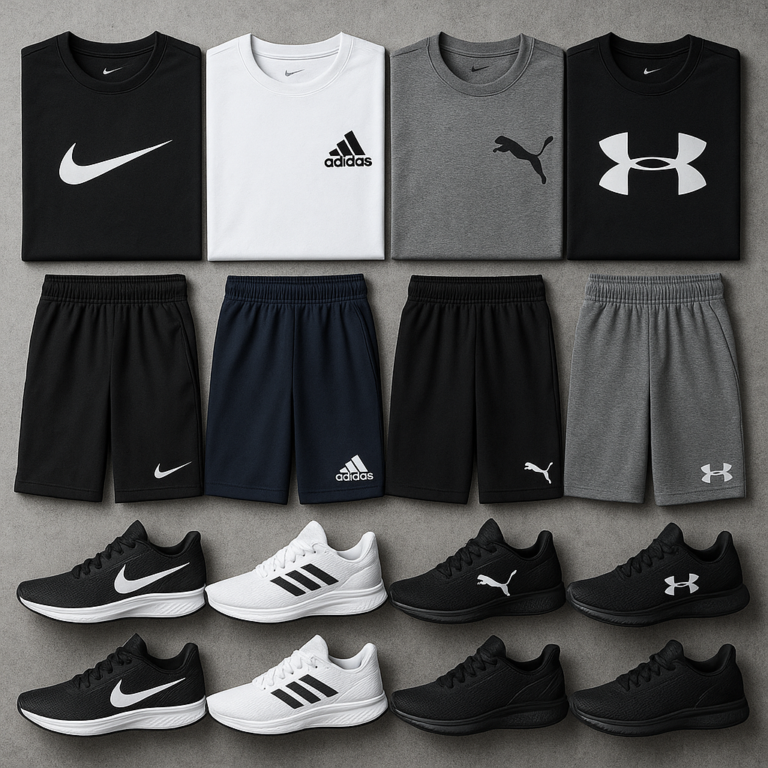
Lulemon vs. Nike and Adidas
Nike and Adidas span much broader product ecosystems, from competition-focused apparel to casual sportswear. Lulemon’s range has a more concentrated premium active-lifestyle identity.
That means the comparison depends on the sport:
- For sport-specific performance, look at the exact Nike or Adidas line and technical features.
- For premium yoga-to-everyday versatility, compare the relevant Lulemon product with its closest competitor.
- For value and variety, larger sportswear brands may offer a wider range of options.
- For fit, no brand wins universally. Try the garment through realistic movement.
The first video embedded above, at #featured-video, offers a wider sportswear-market perspective: challenger brands such as On and Vuori have gained attention through product innovation, direct-to-consumer strategies, and focused storytelling, while established players such as Nike face competitive pressures. That context is about the market, not proof that one brand’s garments outperform another’s. As the video summary puts it, “Challenger brands will generate the majority of economic profit in sportswear in 2024.” Treat that as the video’s reported forecast, not a settled fact about every brand or year.
Lulemon vs. Designer Activewear Labels
A designer label can make activewear feel more exclusive because it carries fashion-house identity, luxury retail associations, and distinct design codes. Lulemon’s selling point is more often premium technical-lifestyle apparel, not traditional couture or luxury-house heritage.
Consider what you want from the purchase:
- For workout performance: scrutinize construction, function, fit, and activity suitability.
- For designer styling and prestige: a fashion-house collection may be more aligned with your priorities.
- For both: compare the specific piece carefully; luxury branding does not automatically mean superior sweat management, support, or durability.
Explore more brand and fashion crossovers through our Fashion and Athletic Crossover coverage.
🛍️ Best Lulemon Products for Different Activities
There isn’t one “best Lulemon product” for everyone. Start with the sport, then compare fit and fabric. The brand changes its assortment, so check current product specifications and available sizes on Lulemon’s official shop.
Legings and Yoga Pants
For yoga, look for a comfortable waistband, suitable stretch, and fabric that does not distract you when moving through poses. For running or training, consider compression, pocket security, sweat management, and whether the waist stays put.
| What to compare | Yoga and low-impact use | Running and training use |
|---|---|---|
| Feel | Soft, flexible, non-distracting | Stable and secure through repeated movement |
| Waistband | Comfortable in folds and stretches | Less likely to roll or slide |
| Pockets | Optional for many studio sessions | Useful for keys, cards, or a phone |
| Coverage | Check opacity during bends and squats | Check coverage under movement and sweat |
| Fabric | Prioritize comfort and stretch | Match weight and feel to effort and weather |
Product worth a closer look: Lulemon Align™ leggings are associated with a soft, yoga-oriented feel. They may be a good match for low-impact activity and everyday wear if that fabric suits you. If your sessions involve heavy abrasion, frequent high-intensity work, or equipment that rubs against the fabric, compare a more training-oriented option before choosing.
Running Gear and Training Clothes
For runs, prioritize movement, temperature management, and storage. A secure pocket may matter more than an extra-soft hand feel; a loose, breathable layer may be more useful than a compressive tight on a hot day.
Before choosing running apparel:
- Match the piece to the weather. A lightweight layer for warm conditions won’t behave like a thermal top.
- Check storage. Confirm that pockets fit what you carry and secure it while moving.
- Test friction points. Look for seams or edges that could rub during repeated motion.
- Think about visibility. If you run in low light, consider reflective features and use lights where appropriate.
- Build a practical kit. Don’t pay for technical details you won’t use.
Lulemon’s running and training range is listed on its official running collection page and men’s running collection page. Collections and URLs can change, so use the brand’s site navigation if a page moves.
Everyday Athleisure and Accessories
Lulemon’s apparel and accessory ranges extend beyond the gym. Casual pants, hoodies, bags, and layers can make the brand useful for travel and everyday routines. Here the main question is simple: will you wear it often enough to value the fit and versatility?
| Item type | Useful for | Check before buying |
|---|---|---|
| Casual pants | Comuting, travel, relaxed weekends | Fabric weight, waistband, and care |
| Hoodies and tops | Layering and post-workout wear | Breathability, fit, and fabric feel |
| Bags | Gym essentials and daily carry | Compartment layout, closures, and capacity |
| Socks and small accessories | Training or daily use | Activity-specific cushioning and fit |
👉 Shop Lulemon products:
- Lulemon Align™ leggings: Amazon search | Lulemon Official Website
- Lulemon running apparel: Amazon search | Lulemon Official Website
- Lulemon bags: Amazon search | Lulemon Official Website
Marketplace listings can include third-party sellers and changing product assortments. Confirm seller identity, the precise model, and return conditions before ordering.
🌿 Sustainability, Ethics, and Brand Responsibility
A premium price does not automatically mean a garment is sustainable or ethically produced. It is fair to evaluate materials, emissions, manufacturing, labor disclosures, product lifespan, and repair or resale options separately from the brand’s style and performance.
Materials, Manufacturing, and Climate Goals
Lulemon publishes information about its environmental commitments through its Impact Agenda. The company’s reporting describes goals and initiatives; to assess progress, compare the stated targets with published updates and independent assessments.
When reading sustainability claims, look for:
- Specific, measurable targets, not just broad language such as “better for the planet.”
- Progress updates and reporting periods.
- Material details, including whether recycled or lower-impact inputs are used and in what proportion.
- Scope and boundaries: which parts of the supply chain or product range a claim covers.
- Trade-offs: synthetic performance fabrics can be useful for stretch and moisture management, but they also raise questions around fossil-based inputs, shedding, and end-of-life disposal.
The U.S. Federal Trade Commission’s Green Guides explain why environmental marketing claims should be clear and properly substantiated. That guidance helps shoppers assess claims generally; it is not a verdict on any individual Lulemon product.
Labor Practices and Supply-Chain Transparency
Look beyond a company’s own mission statement. Useful evidence includes supplier disclosures, published codes of conduct, audit approaches, worker grievance mechanisms, and reporting on remediation.
The International Labour Organization describes labor issues common across garment and footwear supply chains. It provides broader industry context, not a company-specific evaluation. For Lulemon-specific information, review its latest impact reporting alongside independent reporting and labor-rights research.
A practical consumer checklist:
- Find the company’s current supply-chain and impact disclosures.
- Check whether reporting covers suppliers beyond a short list of owned facilities.
- Look for measurable progress, not just commitments.
- Compare claims with credible independent sources.
- Remember that a high retail price alone does not demonstrate fair wages or responsible production.
How Lulemon’s Claims Compare With Independent Assessments
There can be a gap between a company’s stated aims and what a shopper can verify. Corporate pages are useful for understanding commitments and strategy; independent watchdogs and standards bodies can provide outside context. Neither should be read in isolation.
The brand’s Impact Agenda lays out its own priorities, while the FTC guidance above explains standards for environmental marketing claims. For textile-care and durability questions, follow the garment’s care label and look for product-specific evidence rather than inferring environmental performance from a fabric name.
One historical caution appears in the Latana deep dive: it recounts a past dispute over marketing claims involving Vitasea fabric. That episode is a reminder to evaluate the evidence behind individual claims, rather than assuming that a premium brand’s messaging is automatically reliable—or that one historical controversy defines every current product.
📈 Brand Image, Exclusivity, and Resale Value
Is Lulemon a Status Symbol?
For some consumers, yes. Lulemon has recognizable branding, premium retail presentation, and a strong lifestyle identity. Latana describes the label as a status-conscious brand and points to its aspirational store strategy and community positioning in its brand deep dive.
But “status symbol” is a social perception, not a garment specification. A person may value the label as a signal of taste or membership in a fitness community; another may care only that the waistband stays put on a long run. Both are valid ways to shop.
The brand’s image can also divide opinion. Latana notes that an earlier New York Times characterization called it an “annoying phony-baloney status symbol.” That phrase reflects a critical perspective from a particular period, not an objective modern classification. The useful takeaway is that strong branding can create both loyalty and skepticism.
Secondhand Lulemon: Resale and Product Longevity
Secondhand activewear can be a way to find discontinued styles, reduce waste, or try a brand with less commitment. But condition matters more than the logo.
Before buying pre-owned apparel:
- Inspect fabric for thinning, pilling, snags, and stretched-out areas.
- Check waistband elasticity and seams.
- Ask for clear photos of high-wear zones.
- Confirm the model and size rather than relying on a seller’s vague description.
- Compare the item against the brand’s current fit and fabric information.
- Use a platform with buyer protections and read its return policy.
A resale listing is not the same as a quality inspection. A lightly worn garment in good condition may be a smart find; a heavily used piece with tired elastic is not a bargain just because the tag says Lulemon.
✅ Who Should Buy Lulemon?
Best Reasons to Choose Lulemon
Lulemon is most compelling when you have tried the gear and can identify what it does well for your body and routine.
You may be a good match if you:
- Want premium yoga, running, or training apparel with a strong lifestyle crossover.
- Have found a fabric or fit that feels particularly comfortable.
- Value thoughtful details such as pockets, garment length options, or activity-specific construction.
- Wear your apparel frequently and can make use of its versatility.
- Appreciate the in-store experience or community programming.
- Are willing to compare product-by-product rather than treating the brand name as a guarantee.
Explore more brand coverage through Brand Spotlights.
When Another Activewear Brand May Be a Better Fit
Consider a different label if:
- You want basic exercise clothing at a lower price point.
- A competitor’s fit feels more secure or comfortable.
- You need highly specialized gear for a sport better served by dedicated performance brands.
- You prefer less visible branding or a different style.
- You are choosing based mainly on a logo or social pressure.
- The garment’s care requirements or fabric feel don’t suit your routine.
A team athlete who runs regularly might choose Nike or Adidas for a specific training feature; a casual wearer might prefer Vuori’s relaxed silhouettes; a yoga regular might love Lulemon’s soft fabric. The smartest brand loyalty is loyalty to what works.
How to Shop Lulemon More Strategically
Use this five-step method so your purchase is guided by function, not fitting-room optimism:
- Choose the job. Write down the activity: yoga, running, strength training, travel, or everyday wear.
- Pick the performance priorities. For example, opacity, pocket security, soft feel, support, warmth, or quick drying.
- Compare two or three equivalent items. Include at least one alternative brand, such as Alo Yoga, Vuori, Nike, or Adidas.
- Try the product in motion. Squat, lunge, stretch, and walk. Notice rolling, pulling, pressure, and coverage.
- Check the practical details. Review fabric composition, care instructions, return terms, and any seller information.
If buying online, read recent product reviews for repeated comments, not just star ratings. A consistent pattern about sizing can be helpful; a single extreme review may not predict your experience.
❌ Common Misconceptions About Lulemon
-
“Lulemon is officially classified as a luxury fashion house.”
There is no universal formal category that makes this true. It is more accurate to describe the company as a premium active-lifestyle and athleisure brand with luxury-like positioning. -
“High price means superior performance.”
A higher price can reflect fabric development, branding, retail, and design. It does not guarantee that one product will fit or perform better for every athlete. -
“Every Lulemon item is made for hard training.”
Different styles serve different purposes. A soft yoga tight and a running tight are not interchangeable just because both are leggings. -
“Luxury-like branding means exclusive or handmade.”
Premium brand presentation does not necessarily mean a product is made in small quantities or through traditional luxury craftsmanship. -
“If the brand is popular, the fit must work for everyone.”
Bodies, preferences, and activities differ. Try the exact style, check the size guide, and move in the garment before deciding. -
“A strong brand story proves sustainability.”
Sustainability claims should be checked against specific disclosures, measurable progress, and credible guidance such as the FTC Green Guides.
The answer to our opening question is now clearer: Lulemon is premium athleisure—not traditional luxury, but a brand with luxury-adjacent pricing, presentation, and status appeal. Whether that makes it worth buying depends on the gear itself, how you use it, and whether it earns repeat wears.