Support our educational content for free when you purchase through links on our site. Learn more
11 Sport Utility Athletic Sets That Go Further 🚙

Sport utility athletic sets are matching performance outfits built for training, travel, outdoor adventures, and everyday wear. The best sets combine moisture-wicking fabric, flexible construction, secure storage, and clean styling, so you can move from a workout to errands without looking—or feeling—like you packed three separate wardrobes.
We’ve tested enough activewear to know that a matching colorway alone does not make a set useful. A great pair should stay put during squats, breathe during hard intervals, protect you outdoors, and still look sharp when the post-workout coffee mysteriously becomes a two-hour lunch.
One early-morning run taught us this the sweaty way: a beautifully styled set with a tiny decorative pocket is not “utility.” It is a fashion riddle with your car keys as the victim. The right set solves practical problems before they interrupt your stride.
Key Takeaways
- Match the set to the activity: Running, lifting, hiking, court sports, and travel each demand different fabric weights, fits, and features.
- Prioritize performance basics: Look for moisture-wicking materials, four-way stretch, breathable construction, stable waistbands, and secure pockets.
- Choose utility over decoration: Reflective details, UPF protection, durable seams, and functional storage matter more than oversized logos.
- Think in layers: A base layer, insulating midlayer, and weather-resistant shell provide more versatility than one bulky garment.
- Buy for repeat wear: Neutral colors, durable fabrics, and interchangeable pieces improve cost-per-wear and wardrobe flexibility.
- 👉 Shop trusted athletic brands: Nike, adidas, Under Armour, Lulemon, Vuori, Patagonia, and The North Face all offer sport utility options across different activities.
Table of Contents
- ⚡️ Quick Tips and Facts About Sport Utility Athletic Sets
- What Makes an Athletic Set “Sport Utility”?
- Key Features to Check Before You Buy
- Best Uses: Training, Travel, Recovery, and Everyday Wear
- 🏃 What Are Sport Utility Athletic Sets?
- Performance Apparel Meets Everyday Streetwear
- Matching Tops, Shorts, Jogers, and Layering Pieces
- Athletic Sets vs. Traditional Activewear and Athleisure
- 📚 The Evolution of Technical Sportswear and Utility Activewear
- From Team Uniforms to Coordinated Performance Kits
- How Outdoor Gear Influenced Modern Athletic Sets
- Why Matching Workout Sets Became an Everyday Staple
- 🥇 11 Best Sport Utility Athletic Set Styles
- 1. Moisture-Wicking Training Sets
- 2. Running Shorts and Performance Tee Sets
- 3. Technical Joger and Hoodie Sets
- 4. Tennis and Pickleball Skirt Sets
- 5. Basketball-Inspired Mesh Sets
- 6. Soccer and Field-Sport Utility Sets
- 7. Golf Performance Polo Sets
- 8. Hiking and Trail-Ready Activewear Sets
- 9. Gym-to-Street Coordinated Sets
- 10. Cold-Weather Layering Sets
- 11. Travel and Recovery Lounge Sets
- 🧵 Fabric Guide: Choosing the Best Materials
- Polyester and Recycled Polyester
- Nylon, Spandex, and Stretch Blends
- Merino Wool and Temperature-Regulating Fibers
- Coton, Cotton Blends, and French Terry
- Mesh Panels, Ripstop, and Durable Technical Textiles
- 🌦️ Performance Features That Actually Matter
- Moisture Management and Quick-Dry Construction
- Breathability and Ventilation Zones
- Four-Way Stretch, Mobility, and Range of Motion
- UPF Protection for Outdoor Training
- Water Resistance, Wind Protection, and Weather Readiness
- Pockets, Zippers, Reflective Details, and Utility Storage
- Flat Seams, Gusets, and Anti-Chafing Design
- 📏 How to Choose the Right Fit and Size
- Slim, Athletic, Relaxed, and Oversized Silhouettes
- How a Performance Set Should Fit During Movement
- Men’s, Women’s, and Gender-Neutral Athletic Set Considerations
- Using Brand Size Charts and Measuring Correctly
- Inclusive Sizing and Adaptive Design Features
- 🎯 Matching Sets by Sport, Workout, and Activity
- Best Sets for Running and Cardio
- Best Sets for Strength Training and Cross-Training
- Best Sets for Yoga, Pilates, and Mobility Work
- Best Sets for Cycling and Comuting
- Best Sets for Hiking, Camping, and Outdoor Adventure
- Best Sets for Team Sports and Practice Sessions
- Best Sets for Rest Days and Recovery
- 👟 Building a Complete Sport Utility Outfit
- Choosing the Right Athletic Shoes
- Performance Socks, Base Layers, and Underwear
- Hats, Bags, and Weather-Ready Accessories
- Layering With Windbreakers, Vests, and Technical Jackets
- 🎨 Styling Sport Utility Sets for Gym-to-Street Wear
- Color Coordination and Minimalist Outfit Formulas
- How to Mix Matching Pieces With Everyday Clothing
- Logo Placement, Neutral Tones, and Statement Colors
- Seasonal Styling for Summer, Fall, Winter, and Spring
- 🏷️ Sport Utility Activewear Brands Worth Considering
- Nike and Nike ACG
- adidas and adidas Terex
- Under Armour
- Lulemon
- Vuori
- Outdoor Voices
- Patagonia and The North Face
- Alo Yoga and Gymshark
- Tracksmith, Janji, and Other Running Specialists
- 💰 How to Evaluate Quality, Durability, and Value
- Cost-Per-Wear and Wardrobe Versatility
- Signs of High-Quality Construction
- When Premium Performance Features Are Worth It
- Budget-Friendly Athletic Set Shopping Strategies
- 🌱 Sustainable and Ethical Athletic Set Shopping
- Recycled Fibers and Lower-Impact Materials
- Durability, Repairability, and Circular Design
- Certifications and Supply-Chain Questions to Ask
- How to Reduce Microfiber Shedding
- 🧼 Care and Maintenance for Athletic Sets
- How to Wash Technical Activewear
- Drying, Odor Control, and Fabric Protection
- Removing Sweat Stains and Persistent Smells
- How to Store Performance Clothing
- Common Laundry Mistakes That Damage Stretch Fabric
- ✅ Sport Utility Athletic Set Buying Checklist
- Activity and Climate Checklist
- Fit and Mobility Checklist
- Fabric and Feature Checklist
- Quality, Care, and Return-Policy Checklist
- ❌ Common Mistakes to Avoid
- Choosing Style Over Performance
- Ignoring Chafing, Transparency, and Ride-Up
- Buying the Wrong Weight for the Weather
- Overlooking Care Instructions and Fabric Longevity
- 🧪 How We Test Sport Utility Athletic Sets
- Fit, Comfort, and Range-of-Motion Testing
- Sweat Management and Breathability Testing
- Durability, Washing, and Colorfastness Testing
- Real-World Training and Everyday Wear Notes
- ❓ Frequently Asked Questions
- Are sport utility athletic sets good for everyday wear?
- What is the best fabric for a workout set?
- How should an athletic set fit?
- Can I wear a matching set for running and strength training?
- Are athletic sets better than buying separates?
- How do I stop performance clothing from smelling?
- How many athletic sets do I need?
- What shoes go best with sport utility outfits?
- 🏁 Conclusion
- 🔗 Recommended Links
- ❔ FAQ
- 📖 Reference Links
Quick Tips and Facts About Sport Utility Athletic Sets
If you’re new to Athletic Brands™, think of a sport utility athletic set as a coordinated outfit built to work harder than ordinary loungewear. We’re talking matching tops and bottoms, technical fabrics, useful pockets, flexible construction, and enough streetwear polish to survive the post-workout coffee run. ☕🏃
What Makes an Athletic Set “Sport Utility”?
A sport utility athletic set combines three jobs:
| Job | What it means | Features to look for |
|---|---|---|
| Performance | Helps manage sweat and movement | Moisture-wicking fabric, stretch, breathable panels |
| Utility | Carries essentials and handles changing conditions | Secure pockets, reflective details, layering compatibility |
| Style | Looks coordinated beyond the gym | Matching colors, clean silhouettes, versatile branding |
The phrase borows the logic of outdoor utility clothing rather than literally referring to a vehicle. Porsche’s official description of the Cayenne GTS calls it a blend of “the agility and spontaneity of a true sports car” with SUV practicality, a useful analogy for this clothing category: athletic performance plus everyday usefulness. Read Porsche’s original Cayenne GTS description.
Our first rule at Athletic Brands™ is simple: matching is nice; function is non-negotiable. A beautiful two-piece set that rides up, traps heat, or has decorative pockets is just a costume with good lighting.
Key Features to Check Before You Buy
Before choosing a set, inspect these details:
- Fabric composition: Polyester and nylon usually dry quickly; elastane or spandex adds stretch.
- Moisture management: Look for “quick-dry” or “moisture-wicking,” but remember that these claims vary by construction.
- Waistband stability: A wide, supportive waistband should stay in place during squats and sprints.
- Pocket design: A zipered phone pocket is more useful than a tiny token pocket pretending to be helpful.
- Seam placement: Flat seams and gusets can reduce rubbing.
- Opacity: Perform a squat test in bright light.
- Reflective accents: Valuable for dawn or evening running. The Road Runners Club of America recommends visibility measures for runners in low-light conditions.
- UPF protection: The Skin Cancer Foundation explains that tightly woven, darker fabrics generally provide stronger sun protection, although UPF-rated garments offer more dependable labeling.
- Care instructions: Excessive heat can damage elastic fibers and shorten garment life.
✅ Best quick-buy formula: moisture-wicking fabric + four-way stretch + stable waistband + functional pockets + activity-specific fit.
❌ Red flags: sheer fabric, decorative drawcords, loose seams, harsh interior labels, and “one set fits every sport” claims.
Best Uses: Training, Travel, Recovery, and Everyday Wear
A well-designed set can cover several parts of your week:
| Use case | Ideal set characteristics | Our verdict |
|---|---|---|
| Strength training | Stretch, squat-proof fabric, secure waistband | ✅ Excellent |
| Running | Lightweight fabric, ventilation, reflective details | ✅ Excellent when activity-specific |
| Travel | Wrinkle resistance, pockets, odor control | ✅ Very practical |
| Hiking | UV protection, abrasion resistance, layering | ✅ Choose technical fabrics |
| Recovery | Soft hand feel, relaxed fit, breathable construction | ✅ Comfort wins |
| Casual wear | Clean design and opaque fabric | ✅ Works with the right styling |
A set designed for hot-weather running may feel too thin for hiking, while a fleece joger set can become a portable sauna during interval training. The best choice depends on where your body and your day are headed.
What Are Sport Utility Athletic Sets?
Performance Apparel Meets Everyday Streetwear
Sport utility athletic sets sit between traditional activewear and athleisure. They borrow performance details from running gear, training apparel, hiking clothing, and team uniforms, then package them in coordinated combinations.
Common examples include:
- A moisture-wicking T-shirt with matching training shorts
- A technical hoodie with tapered jogers
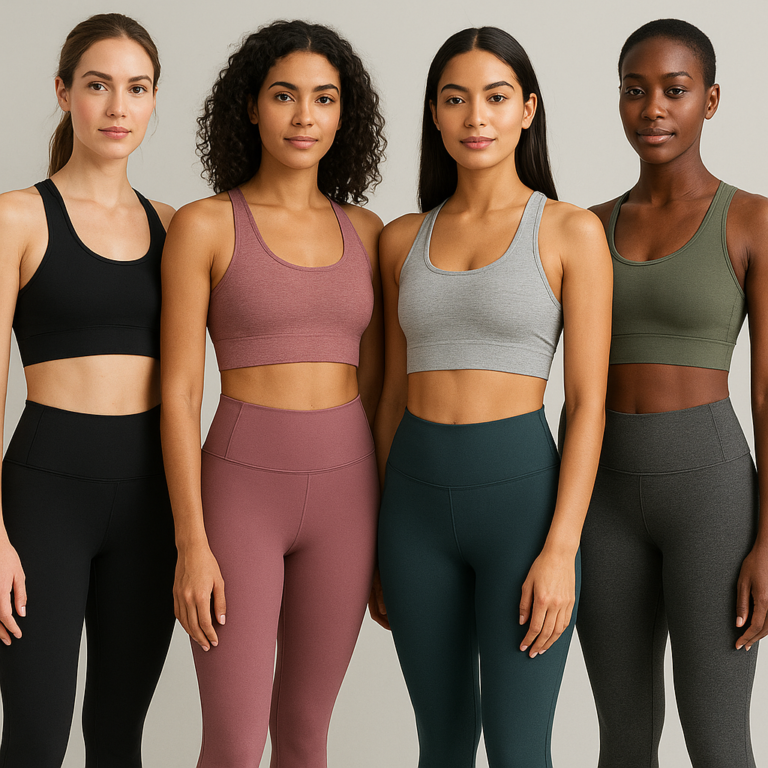
- A sports bra and high-waisted leggings in the same colorway
- A mesh basketball short and tank combination
- A performance polo with golf shorts
- A wind-resistant jacket layered over matching running separates
The category overlaps with co-ordinated workout sets, technical athleisure, gym-to-street clothing, utility activewear, and matching performance outfits.
Our athletes often use sets as a visual shortcut. At 5:30 a.m., we may not have the mental bandwidth to build an outfit worthy of a fashion editorial. A matching set removes one decision while preserving mobility. That is not laziness; it is logistics.
Matching Tops, Shorts, Jogers, and Layering Pieces
The most useful set systems are modular. A top should work with its matching bottom, but also with unrelated pieces.
Core two-piece combinations
- Tee and short: Best for warm-weather training and court sports.
- Tank and leging: Useful for studio workouts, lifting, and indoor cardio.
- Hoodie and joger: Better for travel, warm-ups, and recovery.
- Polo and short: Suited to golf, tennis, and smart-casual wear.
- Sports bra and leging: Strong for high-mobility training when support is appropriate.
The layering test
Ask three questions:
- Can I wear the base layer alone?
- Can I add a lightweight jacket without restricting my shoulders?
- Do the colors still work when the set is split apart?
This is where brands such as Lulemon, Nike, adidas, Vuori, and Patagonia take different approaches. Lulemon generally emphasizes sleek studio-to-street silhouettes, Nike and adidas offer broader sport-specific ranges, Vuori leans into soft performance-lifestyle clothing, and Patagonia prioritizes outdoor utility and repair-minded durability.
Athletic Sets vs. Traditional Activewear and Athleisure
These terms overlap, but they are not identical.
| Category | Primary purpose | Typical strengths | Typical limitations |
|---|---|---|---|
| Traditional activewear | Dedicated exercise | Sport-specific performance | May look too technical for casual settings |
| Athleisure | Casual comfort with athletic styling | Softness and everyday versatility | May lack support or durability under heavy training |
| Sport utility athletic sets | Performance plus daily utility | Coordinated, functional, adaptable | Often requires activity-specific selection |
The distinction matters because a soft cotton-blend lounge set may be excellent for commuting but poor for a humid run. Conversely, a race-day singlet and split short combination can be superb for speed but awkward at the grocery store.
For additional style context, our Fashion and Athletic Crossover coverage explores how technical clothing crosses into everyday wardrobes.
The Evolution of Technical Sportswear and Utility Activewear
From Team Uniforms to Coordinated Performance Kits
Athletic clothing began with practical demands: movement, heat management, team identity, and durability. Over time, technical textiles made it possible to build garments that were lighter, stretchier, and more specialized.
The modern matching set combines two older ideas:
- Uniform logic: coordinated clothing creates visual identity and reduces outfit decisions.
- Technical apparel logic: fabric and construction are engineered around movement and environmental conditions.
That evolution explains why a coordinated set can feel both fashionable and oddly efficient. It is a uniform for people who may train, commute, work remotely, and run errands before lunch.
How Outdoor Gear Influenced Modern Athletic Sets
Outdoor brands helped popularize features now common in gym apparel:
- Lightweight layering
- Packable wind protection
- Abrasion-resistant panels
- Adjustable hems
- Secure pockets
- UPF-rated fabrics
- Breathable insulation
The North Face, Arc’teryx, and Patagonia have all contributed to the expectation that clothing should respond to weather rather than simply look good in it.
However, outdoor durability can add weight and structure. A trail pant may tolerate brush and rock far better than a lightweight studio joger, but it might feel excessive for treadmill work. Performance is contextual.
Why Matching Workout Sets Became an Everyday Staple
Matching sets offer three practical benefits:
- Faster outfit selection
- A polished visual silhouette
- Easy mix-and-match potential after the first wear
The closet-tour video summarized for this article makes the same practical point from a consumer perspective: the creator organizes workout clothing by color and item type, hangs sets together, and praises brands including Lulemon, CRZ Yoga, Honor Active, and adidas for comfort and style. She also says that investing in quality workout gear can meaningfully improve comfort and performance. Watch the featured video.
Her enthusiasm is useful, but we would add one caveat: brand reputation cannot replace trying the garment during your actual movement pattern. A leging that feels wonderful during walking may fail the squat test. A running shoe loved by one athlete may be all wrong for another foot shape.
11 Best Sport Utility Athletic Set Styles
1. Moisture-Wicking Training Sets
Training sets usually include a T-shirt or tank paired with shorts, leggings, or jogers. Look for sweat-dispersing fabric and enough stretch for lifting, rowing, circuits, and machine work.
Best for: Strength training, HIT, general gym sessions.
Strengths:
- Broad movement range
- Easy layering
- Usually available in multiple cuts
- Works across several gym activities
Drawbacks:
- Very lightweight fabrics may snag on equipment
- Loose tops can interfere with cables or barbells
- Some synthetic fabrics retain odor if poorly washed
Under Armour, Nike Dri-FIT, adidas AEROREADY, and Gymshark all offer training-focused apparel with different fits.
Athletic Brands™ tip: For lifting, prioritize waistband stability and fabric opacity over ultra-light weight. Your clothing should not require mid-set negotiations.
2. Running Shorts and Performance Tee Sets
Running sets should feel almost forgetable while you move. The ideal combination is lightweight, breathable, and minimally abrasive.
Look for:
- Split or curved hems
- Brief or liner support where desired
- Reflective trim
- Secure phone pocket
- Ventilation zones
- Sweat-wicking fabric
The American College of Sports Medicine provides broader guidance on exercise and environmental conditions, reinforcing the need to match clothing choices to heat and humidity.
Best for: Road running, treadmill sessions, tempo work, and warm-weather training.
Potential issue: A running-specific set may provide less coverage and less abrasion resistance than a hiking or training set.
3. Technical Joger and Hoodie Sets
Technical joger sets bring athletic details into travel and casual wear. We especially like them for warm-ups, rest days, airport journeys, and cool-weather walks.
High-value features:
- Tapered but nonrestrictive leg
- Stretch waistband
- Zippered pockets
- Breathable fleece or double-knit fabric
- Thumbholes or adjustable cuffs
- Smooth fabric that resists pilling
Vuori’s men’s and women’s performance apparel is known for soft, relaxed performance styling, while Nike Tech Fleece emphasizes a more structured athletic look.
Drawback: Heavier fleece jogers can overheat quickly during serious training. Save them for low-to-moderate intensity unless you enjoy exercising inside a duvet.
4. Tennis and Pickleball Skirt Sets
Court-sport sets prioritize rotational movement, ventilation, and ball storage. Skorts often outperform skirts because built-in shorts provide coverage and confidence during lunges.
Check for:
- Integrated shorts that do not ride up
- Ball pockets
- Bra-friendly tops
- Stretch mesh panels
- Sweat-resistant fabric
- Hem lengths appropriate to your movement
Brands such as Alo Yoga, Athleta, Wilson, and adidas offer court-oriented pieces.
Best for: Tennis, pickleball, padel, and casual summer styling.
Drawback: Some fashion-forward court sets prioritize appearance over storage. If you carry two balls, a phone, and keys, test the pocket situation before serving.
5. Basketball-Inspired Mesh Sets
Mesh shorts, tanks, and relaxed jerseys offer high airflow and easy movement. They also deliver the strongest streetwear crossover.
Strengths:
- Excellent ventilation
- Loose movement profile
- Fast layering
- Strong visual identity
Limitations:
- Mesh may snag
- Loose garments can interfere with some gym equipment
- Less protection from wind and cold
Jordan Brand, Nike, and adidas are reliable starting points for basketball-inspired performance clothing.
6. Soccer and Field-Sport Utility Sets
Field-sport apparel is designed for repeated acceleration, sweat, and contact with grass or turf. Matching jerseys and shorts are especially useful for team training.
Look for:
- Lightweight, quick-drying construction
- Durable stitching
- Breathable side panels
- Secure fit during sprinting
- Weather-compatible layering
adidas Football and Puma Football offer extensive field-sport ranges.
Best for: Soccer, flag football, lacrosse practice, and outdoor conditioning.
7. Golf Performance Polo Sets
Golf sets combine mobility with a more polished appearance. A performance polo and stretch short can move from the course to lunch with minimal wardrobe gymnastics.
Useful features:
- Collar structure that holds shape
- Four-way stretch
- Breathable fabric
- UV protection
- Grippy waistband details
- Pockets deep enough for tees and scorecards
Peter Millar, Puma Golf, Nike Golf, and adidas Golf offer different levels of technical construction and styling.
Drawback: Golf-oriented sets may feel too structured for high-intensity workouts.
8. Hiking and Trail-Ready Activewear Sets
Hiking sets should be selected around the trail, not the mirror. A matching base layer and trail short or pant can work beautifully when the fabrics handle abrasion, sunlight, and changing temperatures.
Prioritize:
- UPF rating
- Abrasion resistance
- Quick drying
- Articulated knees
- Secure pockets
- Layering room
- Weather-resistant outer pieces
The National Park Service emphasizes responsible outdoor practices; durable clothing supports that mindset by reducing unnecessary replacement.
Patagonia, The North Face, Columbia, and Arc’teryx are useful brands to compare.
9. Gym-to-Street Coordinated Sets
These sets are built for versatility rather than one specific sport. Think fitted tee plus wide-leg track pant, sleek leggings with an oversized sweatshirt, or a technical polo with relaxed shorts.
Best for: Comuting, errands, low-impact training, and casual wardrobes.
What separates good from mediocre:
- Opaque fabric
- Clean seams
- Non-shiny finish
- Comfortable waistbands
- Enough structure to hold shape
- Minimal but useful branding
For more brand and style comparisons, browse our Athletic Brand Guides.
10. Cold-Weather Layering Sets
Cold-weather sets need a system rather than a single thick garment:
- Moisture-wicking base layer
- Insulating midlayer
- Wind- or water-resistant shell
REI explains this layering approach in detail. The key is keeping sweat away from the skin while allowing heat management during intensity changes.
Best for: Winter running, snow walks, outdoor conditioning, and cold commutes.
Drawback: More layers mean more potential fit conflicts. Test arm mobility before committing to a full system.
11. Travel and Recovery Lounge Sets
Recovery sets favor softness, easy movement, and temperature comfort. They should not pretend to be race gear.
Ideal features:
- Breathable knit or soft stretch fabric
- Relaxed fit
- Flat seams
- Elastic waistband
- Wrinkle resistance
- Easy-care construction
Brands such as Vuori, Lulemon, Pact, and Outdoor Voices offer lifestyle-oriented options.
Best for: Flights, road trips, warm-ups, walking, and post-training recovery.
Fabric Guide: Choosing the Best Materials
Polyester and Recycled Polyester
Polyester is common in technical sportswear because it is lightweight, durable, and relatively quick drying. Recycled polyester can reduce reliance on virgin petroleum-based inputs, although it remains a synthetic fiber.
The Textile Exchange tracks preferred fiber and material developments, while the Federal Trade Commission provides guidance around environmental marketing claims.
Pros:
- Fast drying
- Durable
- Holds color well
- Suitable for printing and branding
Cons:
- Can retain odor
- May shed microfibers
- Less naturally soft than some alternatives
Nylon, Spandex, and Stretch Blends
Nylon often feels smooth and strong, making it popular in leggings, compression garments, and abrasion-prone activewear. Spandex, elastane, or Lycra adds stretch and recovery.
A common blend may balance:
- Nylon for strength and a smooth hand feel
- Polyester for moisture management
- Elastane for mobility
Important: More stretch is not automatically better. Excessive elastane can reduce durability under heat, harsh detergents, or repeated high-tension use.
Merino Wool and Temperature-Regulating Fibers
Merino wool can help regulate temperature and resist odor, making it valuable for hiking, travel, and base layers. The Woolmark Company describes wool’s moisture-management and temperature-regulating properties.
Pros:
- Comfortable across changing temperatures
- Naturally odor-resistant
- Excellent for layering
Cons:
- Can cost more
- Requires careful washing
- May wear faster in high-friction zones than synthetic blends
Cotton, Cotton Blends, and French Terry
Coton feels comfortable and breathable in casual settings but absorbs moisture and dries slowly. Cotton blends improve performance by adding polyester or elastane.
Best use: Recovery, casual wear, warm-ups, and low-intensity movement.
Less suitable for: Long runs, humid training, and wet-weather activity.
Mesh Panels, Ripstop, and Durable Technical Textiles
Mesh improves airflow, while ripstop fabric uses reinforced weaving to limit tear growth. These materials are especially useful in hiking, field sports, and outer layers.
| Material feature | Benefit | Best use |
|---|---|---|
| Mesh | Ventilation | Running, basketball, summer training |
| Ripstop | Tear resistance | Hiking, camping, outdoor work |
| Brushed interior | Warmth and softness | Cool-weather jogers |
| Double knit | Structure and durability | Travel, gym-to-street outfits |
| Seam-sealed fabric | Weather protection | Rain and wind shells |
Performance Features That Actually Matter
Moisture Management and Quick-Dry Construction
Moisture-wicking fabric moves sweat away from the skin, but the garment still needs airflow and a surface that allows evaporation. A dense, poorly ventilated synthetic fabric may technically move moisture while still feeling clamy.
Test it by asking:
- Does the fabric cling when damp?
- Are sweat zones reinforced or ventilated?
- Does the garment dry reasonably quickly after washing?
- Does it become heavy during activity?
Breathability and Ventilation Zones
Ventilation may appear as mesh underarms, perforated panels, back vents, or lightweight fabric placement.
For hot conditions, the Centers for Disease Control and Prevention recommends taking precautions against heat illness. Clothing cannot eliminate heat risk, but breathable, lightweight garments can support comfort when combined with hydration, breaks, and sensible training times.
Four-Way Stretch, Mobility, and Range of Motion
Four-way stretch generally means the fabric stretches across both the crosswise and lengthwise directions. It is useful for lunges, squats, climbing, and rotational movement.
However, test recovery, not only stretch. A waistband that stretches easily but does not return to shape can become unstable by the end of a workout.
UPF Protection for Outdoor Training
UPF measures how much ultraviolet radiation a fabric allows through. Look for a labeled UPF rating rather than assuming any long-sleeved shirt offers equivalent protection.
The American Academy of Dermatology recommends combining protective clothing with shade and sunscreen on exposed skin.
Water Resistance, Wind Protection, and Weather Readiness
Water-resistant fabric can shed light rain, while waterproof construction requires stronger barriers and often seam treatment. Wind-resistant fabrics reduce chill but may compromise breathability.
| Weather | Useful set strategy |
|---|---|
| Hot and humid | Lightweight tee or tank, ventilated shorts |
| Cool and dry | Long-sleeve base layer with joger or tight |
| Windy | Breathable base plus wind shell |
| Light rain | Quick-dry base plus water-resistant layer |
| Cold and wet | Wicking base, insulation, weatherproof shell |
Pockets, Zippers, Reflective Details, and Utility Storage
A pocket earns its place by staying secure during movement. We test pockets with a phone, keys, and a small card wallet. If everything bounces like a tiny percussion section, the pocket has failed.
Best pocket types:
- Zippered side pocket for keys
- Rear waistband pocket for cards
- Deep thigh pocket for phones
- Internal mesh pocket for small items
Flat Seams, Gusets, and Anti-Chafing Design
Flat seams reduce raised edges against the skin. Gusets add fabric at high-movement areas, improving comfort and reducing seam stress.
The Mayo Clinic recommends keeping skin dry, reducing friction, and using protective barriers when needed. Apparel design is only one part of the anti-chafing equation, but it is a meaningful one.
How to Choose the Right Fit and Size
Slim, Athletic, Relaxed, and Oversized Silhouettes
| Fit | Advantages | Potential drawbacks |
|---|---|---|
| Slim | Aerodynamic and easy to layer | Can restrict movement if undersized |
| Athletic | Follows the body without clinging | Less relaxed for lounging |
| Relaxed | Comfortable and versatile | May shift during high-intensity work |
| Oversized | Strong streetwear style and airflow | Can interfere with equipment |
Our preferred approach is activity-specific: close-fitting for running, athletic for lifting, relaxed for travel, and structured oversized for casual wear.
How a Performance Set Should Fit During Movement
Perform these five checks:
- Raise both arms overhead.
- Bend into a deep squat.
- Step into a long lunge.
- Twist through the torso.
- Jog or jump lightly.
The garment should remain secure without pinching, rolling, or exposing more than intended.
Men’s, Women’s, and Gender-Neutral Athletic Set Considerations
Sizing labels are not universal. Body proportions, pocket placement, rise height, shoulder width, bust support, and inseam shape often matter more than the category printed on the tag.
For people who need chest support, a matching set should be evaluated as two separate products:
- Does the top provide sufficient support?
- Does the bottom move comfortably?
- Can each piece be exchanged for another size?
Gender-neutral designs can offer excellent flexibility, but the cut may not address every body shape equally. Fit is personal engineering, not a political slogan.
Using Brand Size Charts and Measuring Correctly
Measure with a flexible tape:
- Bust or chest
- Natural waist
- Fullest hip
- Inseam
- Shoulder width where relevant
Use the brand’s own chart because a medium at Nike may not match a medium at Lulemon, Vuori, or Gymshark.
Inclusive Sizing and Adaptive Design Features
Check whether a brand offers:
- Extended sizes
- Multiple inseams
- Adjustable waistbands
- Easy-open closures
- Flat seams
- Seated-friendly construction
- Sensory-conscious labels
- Maternity or nursing adaptations
A set cannot be called universally versatile if half the audience has to modify it before leaving the changing room.
Matching Sets by Sport, Workout, and Activity
Best Sets for Running and Cardio
Choose lightweight, breathable layers with minimal friction. Running sets should include secure storage and visibility details if you train near traffic or before sunrise.
Our favorite setup:
- Lightweight short or tight
- Moisture-wicking top
- Optional supportive layer
- Reflective shell in low light
Best Sets for Strength Training and Cross-Training
Strength sessions demand mobility and durability. Avoid extremely thin fabrics if you frequently contact benches, bars, or rough gym surfaces.
Prioritize:
- Opaque fabric
- Stable waistband
- Guseted construction
- Secure pockets
- Moderate compression if comfortable
Best Sets for Yoga, Pilates, and Mobility Work
Soft, smooth fabrics and low-profile seams usually matter more than heavy-duty abrasion resistance.
Look for:
- Non-diging waistbands
- No bulky zippers
- Breathable stretch
- Fabric that stays opaque in deep flexion
Best Sets for Cycling and Comuting
Cycling apparel must account for seated posture, wind exposure, and visibility. A casual matching set may work for short commutes, but longer rides benefit from cycling-specific panels and chamois construction.
PeopleForBikes provides cycling safety and advocacy resources, while REI’s cycling guides explain equipment considerations.
Best Sets for Hiking, Camping, and Outdoor Adventure
Use a base-and-layer strategy. Matching is optional; weather protection is not.
Ideal combination:
- Wicking base layer
- Stretch trail pant or short
- Lightweight insulating layer
- Weather-resistant shell
- Sun hat and protective accessories
Best Sets for Team Sports and Practice Sessions
Team settings favor consistent color, durable construction, and easy identification. Mesh sets are useful in heat, while compression base layers can add coverage beneath uniforms.
Best Sets for Rest Days and Recovery
Recovery sets should feel comfortable without becoming sloppy. A relaxed hoodie and joger combination works well, but choose fabrics that breathe if you will walk or stretch in them.
Building a Complete Sport Utility Outfit
Choosing the Right Athletic Shoes
The shoe should match the activity, not merely the outfit.
| Activity | Shoe category |
|---|---|
| Running | Cushioned running shoe |
| Strength training | Stable cross-training shoe |
| Court sports | Court shoe with lateral support |
| Hiking | Trail shoe or hiking boot |
| Casual wear | Lifestyle sneaker |
| Cycling | Cycling-specific shoe when appropriate |
The American College of Sports Medicine explains that footwear selection should reflect the activity and individual needs. Read ACSM exercise resources.
For product comparisons, browse official lines from Broks, ASICS, Hoka, New Balance, and Salomon.
Performance Socks, Base Layers, and Underwear
Socks should manage moisture, fit securely, and avoid bunching. Base layers should sit close enough to move moisture without compressing uncomfortably.
Avoid cotton socks for long, sweaty sessions if they leave your feet damp and friction-prone. The American Academy of Dermatology’s guidance on blister prevention supports reducing moisture and friction. See AD foot-care advice.
Hats, Bags, and Weather-Ready Accessories
A sport utility outfit becomes genuinely useful with accessories that solve problems:
- Cap with sweatband
- Reflective vest
- Waist pack
- Lightweight gym bag
- Sunglasses
- Neck gaiter
- Packable shell
Layering With Windbreakers, Vests, and Technical Jackets
A shell should allow your arms to move freely and fit over the midlayer without ballooning. Test the full outfit with arms overhead and elbows bent.
Layering shortcut: If you cannot comfortably perform a jumping jack in the jacket, it is not your training shell. It is a fashionable tent.
Styling Sport Utility Sets for Gym-to-Street Wear
Color Coordination and Minimalist Outfit Formulas
Reliable formulas include:
- Black set + white sneaker + neutral jacket
- Earth-tone set + trail shoe + cap
- Navy polo set + clean sneaker
- Gray joger set + structured overshirt
- Monochrome set + contrasting accessory
Monochromatic outfits visually lengthen the silhouette, while contrasting shoes or hats add personality.
How to Mix Matching Pieces With Everyday Clothing
Separate the set:
- Pair technical shorts with a cotton tee.
- Wear the matching hoodie over denim.
- Combine leggings with an oversized button-down.
- Add a blazer or chore jacket to a clean joger.
- Use a performance polo with casual trousers.
Our Brand Spotlights offer more examples of how individual labels approach this crossover.
Logo Placement, Neutral Tones, and Statement Colors
Minimal logos tend to age well and offer more outfit flexibility. Large logos can work when you deliberately want a teamwear or streetwear effect.
Rule of three: Keep the outfit to three major colors unless the set itself is designed as a bold print.
Seasonal Styling for Summer, Fall, Winter, and Spring
- Summer: Mesh, tanks, shorts, light colors
- Fall: Long-sleeve base, jogers, overshirt
- Winter: Thermal base, insulation, shell
- Spring: Lightweight jacket, breathable set, weather-resistant footwear
Sport Utility Activewear Brands Worth Considering
Nike and Nike ACG
Nike offers broad sport coverage, from Dri-FIT training apparel to running and basketball lines. Nike ACG focuses more heavily on outdoor utility.
Best for: Sport variety, technical basics, recognizable styling.
adidas and adidas Terex
adidas covers training, football, running, tennis, and lifestyle apparel. Terex adds hiking and outdoor-focused construction.
Best for: Versatile sport categories and coordinated seasonal collections.
Shop adidas official | Shop adidas Terex.
Under Armour
Under Armour is particularly strong in training, compression, and sweat-management basics.
Best for: Gym sessions, team training, and cold-weather base layers.
Lulemon
Lulemon is known for polished silhouettes, studio wear, leggings, and commuter-friendly layers.
Best for: Yoga, Pilates, gym-to-street styling, and premium-feling everyday activewear.
Vuori
Vuori focuses on soft, lifestyle-oriented performance clothing, especially jogers, tees, hoodies, and relaxed sets.
Best for: Travel, recovery, casual wear, and low-to-moderate activity.
Outdoor Voices
Outdoor Voices built its identity around recreational movement and approachable activewear.
Best for: Walking, casual exercise, and lifestyle styling.
Patagonia and The North Face
These brands are stronger choices for outdoor layers, hiking clothing, weather protection, and durable utility pieces.
Best for: Trail use, cold-weather activity, and outdoor layering.
Shop Patagonia official | Shop The North Face official.
Alo Yoga and Gymshark
Alo Yoga emphasizes fashion-forward studio and lifestyle clothing, while Gymshark focuses heavily on gym training and physique-oriented fits.
Best for: Studio-to-street style from Alo; lifting and gym training from Gymshark.
Shop Alo Yoga | Shop Gymshark.
Tracksmith, Janji, and Other Running Specialists
Running specialists often provide more thoughtful details for serious mileage, including pocket placement, reflective elements, weather layers, and race-oriented fits.
How to Evaluate Quality, Durability, and Value
Cost-Per-Wear and Wardrobe Versatility
We recommend evaluating a set by:
[
\text{Cost per wear} = \frac{\text{purchase cost}}{\text{number of realistic wears}}
]
A set worn for running, travel, errands, and recovery may deliver more value than a visually dramatic outfit used once. We are intentionally avoiding specific prices; the principle works at every budget.
Signs of High-Quality Construction
Inspect:
- Even stitching
- Reinforced stress points
- Smooth seam finishes
- Fabric recovery after stretching
- Stable waistbands
- Secure pocket openings
- Consistent dye color
- Durable zippers
- Clear care labels
Turn the garment inside out. The inside often tells the truth faster than the marketing page.
When Premium Performance Features Are Worth It
Premium features can be worthwhile when they solve a recurring problem:
- You run in low light: reflective detailing matters.
- You hike in strong sun: UPF labeling matters.
- You sweat heavily: ventilation and odor management matter.
- You travel frequently: wrinkle resistance and secure pockets matter.
- You lift often: durability and opacity matter.
Do not pay for features you will never use. A waterproof shell is not automatically better for indoor training.
Budget-Friendly Athletic Set Shopping Strategies
- Buy separates that share a color palette.
- Look for end-of-season technical layers.
- Prioritize one excellent bottom and rotate tops.
- Compare fabric content and construction, not logo size.
- Read recent user reviews for pilling, transparency, and fit.
- Use retailer return policies for uncertain sizing.
Sustainable and Ethical Athletic Set Shopping
Recycled Fibers and Lower-Impact Materials
Recycled polyester and nylon can reduce virgin-material demand, but “recycled” does not mean impact-free. Synthetic garments still require energy and can shed fibers.
Look for transparent material disclosures rather than vague green language. The Global Recycled Standard provides one recognized framework for recycled content claims.
Durability, Repairability, and Circular Design
The most sustainable garment is often the one you keep wearing. Choose sets that can tolerate repeated washing, repair minor damage, and remain useful when separated.
Patagonia’s Worn Wear program offers a visible example of repair and resale culture.
Certifications and Supply-Chain Questions to Ask
Useful certifications may include:
- bluesign®
- Global Recycled Standard
- OEKO-TEX® STANDARD 100
- Fair Trade Certified™
- Responsible Wool Standard
Certifications differ in scope, so read what each one actually verifies. OEKO-TEX explains its textile safety framework.
How to Reduce Microfiber Shedding
The International Union for Conservation of Nature has discussed microfiber pollution from synthetic textiles. To reduce shedding:
- Wash garments less frequently when appropriate.
- Use cold or cool water.
- Avoid overloading the washer.
- Air-dry instead of using high heat.
- Consider a microfiber-catching laundry device.
- Replace garments because they are worn out, not because a trend changed.
Care and Maintenance for Athletic Sets
How to Wash Technical Activewear
- Check the care label.
- Turn garments inside out.
- Close zippers and fasteners.
- Wash with similar synthetic fabrics.
- Use the recommended detergent amount.
- Avoid fabric softener unless the brand explicitly permits it.
- Air-dry or use low heat when allowed.
The American Cleaning Institute provides general fabric-care guidance.
Drying, Odor Control, and Fabric Protection
High heat can weaken elastane and damage bonded details. Air drying is gentler, although some technical fabrics may benefit from brief low-heat drying according to their care label.
For odor:
- Do not leave damp clothes in a closed gym bag.
- Hang items immediately after training.
- Wash promptly when possible.
- Avoid masking odor with excessive fragrance.
- Clean the washing machine regularly.
Removing Sweat Stains and Persistent Smells
Pre-treat affected areas with a suitable detergent and allow time for the product to work. Avoid chlorine bleach on elastane-rich fabrics unless the care label specifically allows it.
Persistent odor can signal buildup from detergent, fabric softener, body oils, or trapped moisture. If the garment still smells after proper washing, the fibers may have permanently retained odor.
How to Store Performance Clothing
Store clean, fully dry garments. Fold compression pieces rather than hanging them under tension. Keep shells and jackets on sturdy hangers, and avoid cramming technical fabrics into damp gym bags.
Common Laundry Mistakes That Damage Stretch Fabric
❌ Washing everything on high heat
❌ Using too much detergent
❌ Adding fabric softener to technical garments
❌ Leaving sweat-soaked clothing overnight
❌ Washing rough towels with delicate stretch pieces
❌ Ironing performance fabric
❌ Ignoring care labels
Sport Utility Athletic Set Buying Checklist
Activity and Climate Checklist
- What activity will I perform?
- Indors or outdoors?
- Hot, cold, wet, windy, or variable conditions?
- How long will I wear the set?
- Will I layer over it?
Fit and Mobility Checklist
- Can I squat, lunge, twist, and raise my arms?
- Does the waistband stay in place?
- Do seams rub?
- Is the fabric opaque under tension?
- Does the top provide adequate support?
Fabric and Feature Checklist
- Moisture management
- Breathability
- Stretch and recovery
- UV protection if outdoors
- Reflective details if training in low light
- Secure storage
- Durable construction
Quality, Care, and Return-Policy Checklist
- Is the size chart clear?
- Are the care instructions realistic?
- Can I return the item after trying it on?
- Are customer reviews recent and detailed?
- Does the brand disclose fabric content?
- Can the pieces work separately?
Common Mistakes to Avoid
Choosing Style Over Performance
A matching set can look fantastic in a product photo and behave terribly during movement. Always match the garment to the activity.
Ignoring Chafing, Transparency, and Ride-Up
These problems rarely improve with optimism. Test the set in the positions you actually use.
Buying the Wrong Weight for the Weather
Heavy fleece in humid conditions and thin mesh in freezing wind are both avoidable errors. Build around climate first.
Overlooking Care Instructions and Fabric Longevity
If the garment requires delicate care you will never perform, it may not be a sensible purchase. The best set is one you can maintain realistically.
How We Test Sport Utility Athletic Sets
Fit, Comfort, and Range-of-Motion Testing
Our athletes test:
- Walking
- Squatting
- Lunging
- Reaching
- Joging
- Sitting
- Layering
We look for shifting waistbands, bunching, pressure points, and restricted shoulders.
Sweat Management and Breathability Testing
We evaluate how the fabric feels during rising exertion, not just how it feels in a fitting room. Dry-hand comfort can be misleading when the garment is saturated.
Durability, Washing, and Colorfastness Testing
Repeated washing reveals:
- Pilling
- Seam distortion
- Elastic recovery
- Color fading
- Shrinkage
- Print cracking
- Pocket deformation
Real-World Training and Everyday Wear Notes
We also wear sets outside formal workouts. Can the jogers survive a long commute? Does the jacket work over a hoodie? Can the shorts hold a phone without bouncing? These ordinary questions often determine whether a set becomes a favorite or a forgotten hanger resident.
Frequently Asked Questions
Are sport utility athletic sets good for everyday wear?
Yes, provided the fabric is comfortable and the styling is not overly sport-specific. Jogers, clean tees, polos, lightweight jackets, and neutral matching sets usually transition best.
What is the best fabric for a workout set?
There is no universal winner. Polyester and nylon blends are strong for sweat-heavy training; merino works well for temperature changes and travel; cotton blends are comfortable for low-intensity use. Choose based on activity and climate.
How should an athletic set fit?
It should stay secure without restricting movement. Perform squats, lunges, overhead reaches, and light jogging before deciding. Tightness is not the same as support.
Can I wear a matching set for running and strength training?
Sometimes. A medium-weight, breathable set with a stable waistband can handle both. Running-specific shorts may lack coverage for lifting, while heavy training fabric may feel too warm for distance work.
Are athletic sets better than buying separates?
They are better for speed, coordination, and guaranteed color matching. Separates offer more flexibility in fit and activity specialization. Our preferred wardrobe includes both.
How do I stop performance clothing from smelling?
Air it out immediately, avoid leaving it damp in a bag, wash according to the care label, and avoid excessive fabric softener. Persistent odor may indicate permanent fiber buildup.
How many athletic sets do I need?
That depends on training frequency and laundry habits. A practical rotation includes enough sets for your busiest training stretch plus one weather-appropriate layer. Build gradually rather than buying an entire color-coded empire overnight.
What shoes go best with sport utility outfits?
Use activity-specific footwear for training. Running shoes, court shoes, lifting shoes, trail shoes, and lifestyle sneakers each serve different purposes. A fashionable shoe is not a substitute for appropriate support.
What features should I prioritize for outdoor workouts?
Look for breathability, UPF protection, visibility, quick drying, secure pockets, and weather-appropriate layering. Add wind or rain protection when conditions require it.
Which brands offer durable sport utility athletic sets?
Nike, adidas, Under Armour, Patagonia, The North Face, Lulemon, Vuori, and specialized brands such as Tracksmith or Janji all offer strong options, but durability varies by product line. Inspect the actual garment rather than relying only on the logo.
How do sport utility athletic sets enhance performance during training?
They can reduce distraction, manage moisture, improve movement, support temperature regulation, and keep essentials secure. They do not replace training, recovery, or proper footwear, but they can remove small barriers that add up over a session.
Are sport utility athletic sets suitable for running, training, and outdoor activities?
Yes, when selected by activity. A single set may cover several low- to moderate-intensity uses, but serious running, hiking, court sports, and strength training often benefit from specialized designs.
How do you wash and maintain sport utility athletic sets?
Turn them inside out, use the care-label temperature, avoid excessive heat and fabric softener, and dry them fully before storage. Wash technical fabrics separately from rough items when possible.
Where can you buy affordable sport utility athletic sets from trusted athletic brands?
Compare official brand stores, reputable sporting-goods retailers, and established marketplaces. Check seller identity, return policies, fabric details, and recent user reviews before ordering.
What makes a sport utility athletic set different from ordinary athleisure?
A sport utility set is expected to offer meaningful performance or utility features such as moisture management, secure pockets, stretch, weather protection, reflective details, or activity-specific construction. Athleisure may prioritize softness and appearance instead.
How can I tell whether customer reviews are useful?
Prioritize reviews that mention activity, body measurements, size purchased, wash performance, transparency, pilling, and pocket behavior. Short comments such as “cute” or “love it” are pleasant but not exactly laboratory data.
Conclusion

The best sport utility athletic sets earn their place by doing more than matching. They should support movement, manage sweat, fit securely, carry essentials, and transition naturally into the rest of your day.
Our strongest recommendations are:
- For serious training: Nike, adidas, Under Armour, and Gymshark performance sets
- For running: Tracksmith, Janji, Nike, Brooks, and adidas running apparel
- For gym-to-street wear: Lulemon, Vuori, Alo Yoga, and Outdoor Voices
- For outdoor utility: Patagonia, The North Face, Arc’teryx, and adidas Terex
- For travel and recovery: Vuori, Lulemon, and soft technical joger systems
The closet-tour perspective highlighted earlier gets one major thing right: organizing coordinated sets by color and activity makes high-quality gear easier to use. The Porsche analogy also holds up surprisingly well: utility and athletic performance can coexist, but only when the underlying engineering is sound. A sporty silhouette alone does not make a garment useful.
Our confident verdict: buy fewer sets, choose them around your actual activities, and demand performance from every feature. The winning outfit is the one you stop noticing because it simply keeps up. 🏃 ♀️⚡
Recommended Links
👉 Shop sport utility athletic sets and related gear:
- Nike performance apparel: Amazon | Nike Official Website
- adidas athletic sets: Amazon | adidas Official Website
- Under Armour training apparel: Amazon | Under Armour Official Website
- Lulemon activewear: Amazon | Lulemon Official Website
- Vuori joger and hoodie sets: Amazon | Vuori Official Website
- Gymshark training sets: Amazon | Gymshark Official Website
- Patagonia outdoor layers: Amazon | Patagonia Official Website
- The North Face activewear: Amazon | The North Face Official Website
- Tracksmith running apparel: Tracksmith Official Website
- Janji running apparel: Janji Official Website
- Performance running shoes: Amazon | Broks Official Website | ASICS Official Website
- Outdoor clothing guides: REI Expert Advice
- Athletic apparel reading: Athletic Brand Guides | Brand Spotlights | Fashion and Athletic Crossover
Related books:
- The New Rules of Lifting
- Training for the Uphill Athlete
- Becoming a Supple Leopard
- The Runner’s Guide to the Meaning of Life
FAQ

How do I choose the right sport utility athletic set for my fitness routine?
Start with the activity, climate, and movement demands. Choose lightweight, breathable gear for running; opaque, stable, stretch-rich gear for lifting; and layered, weather-resistant clothing for outdoor workouts. Then verify pocket placement, fit, and care requirements.
Are sport utility athletic sets suitable for all weather conditions?
No single set handles every condition well. Use breathable shorts and tanks in heat, insulating layers in cold, and wind- or water-resistant shells in wet or exposed environments.
What features should I look for in a sport utility athletic set?
Prioritize moisture management, stretch and recovery, breathability, a stable waistband, secure pockets, durable seams, suitable coverage, reflective accents for low light, and UPF protection for outdoor activity.
Can sport utility athletic sets be used for both gym and casual wear?
Yes. Neutral colors, clean silhouettes, moderate branding, and versatile fabrics transition most easily. Highly specialized race gear or heavy trail clothing may be less suitable for casual settings.
Which brands offer the most durable sport utility athletic sets?
Patagonia, The North Face, Nike, adidas, Under Armour, Lulemon, and specialized running brands offer durable options across different categories. Product construction and care matter as much as the brand name.
How do sport utility athletic sets enhance performance during training?
They can improve comfort by managing sweat, supporting mobility, reducing friction, maintaining temperature, and keeping essentials secure. Their contribution is practical rather than magical: fewer distractions mean more attention for the workout.
Read more about “🏆 7 Top Luxury Sportswear Brands for Men (2026)”
What are the best sport utility athletic sets for outdoor workouts?
Choose sets with UPF protection, quick-drying fabric, secure storage, reflective details, and compatibility with wind or rain layers. Patagonia, The North Face, Nike ACG, adidas Terex, and Columbia are useful starting points.
Read more about “12 Gender-Neutral Activewear Designs to Know 🌈”
What are the best sport utility athletic sets for everyday workouts?
For general gym sessions, look for a breathable T-shirt or tank with matching shorts, leggings, or jogers. Nike, adidas, Under Armour, Lulemon, Vuori, and Gymshark offer broad choices.
Read more about “Is Lulemon an Athleisure Brand? ✅ (2026)”
How should sport utility athletic sets fit for maximum comfort and mobility?
The set should stay in place during squats, lunges, reaches, and light jogging without pinching or restricting. Avoid sizing down solely to achieve compression unless the garment is specifically designed for it.
What features should you look for in high-quality sport utility athletic sets?
Examine stitching, fabric recovery, waistband stability, pocket security, opacity, seam comfort, zipper quality, and care-label clarity. A quality set should perform after repeated use, not just look impressive on day one.
Which athletic brands make durable sport utility athletic sets?
Nike, adidas, Under Armour, Patagonia, The North Face, Lulemon, Vuori, Tracksmith, and Janji each have durable lines, although their strengths differ by activity.
Are sport utility athletic sets suitable for running, training, and outdoor activities?
They can be, but choose the appropriate construction. Running requires lightness and low friction; training requires durability and mobility; outdoor use requires weather and sun protection.
How do you wash and maintain sport utility athletic sets?
Follow the care label, wash technical garments inside out, avoid excessive heat and fabric softener, air-dry when appropriate, and never store clothing while damp.
Where can you buy affordable sport utility athletic sets from trusted athletic brands?
Shop official brand stores, established sporting-goods retailers, and verified marketplace sellers. Compare size charts, return policies, user reviews, and fabric details rather than choosing solely by appearance.
Should sport utility athletic sets have matching colors?
Matching colors are optional, but coordinated color systems improve wardrobe versatility. Neutral sets are easiest to split into separate outfits, while bold colors make stronger style statements.
Are synthetic athletic fabrics safe and comfortable?
Most quality synthetic activewear is designed for skin contact and performance. Comfort depends on fiber blend, dye, seam construction, fit, and personal sensitivity. Those with skin concerns should choose smooth fabrics and follow medical advice.
Read more about “What Are Athleisure Trends? 15 Must-Know Styles & Insights (2025) 👟”
How often should sport utility athletic sets be replaced?
Replace garments when they lose elasticity, remain odorous after proper washing, develop thinning or transparency, or no longer stay secure during movement. Frequent training accelerates wear; good care can extend service life.
Reference Links
- American College of Sports Medicine
- Centers for Disease Control and Prevention: Heat and Health
- American Academy of Dermatology: Sun Protection
- Skin Cancer Foundation: Clothing and UPF
- Mayo Clinic: Chafing Prevention and Treatment
- REI: Layering Basics
- REI: Cycling Expert Advice
- Textile Exchange
- Global Recycled Standard
- OEKO-TEX®
- American Cleaning Institute: Fabric Care
- International Union for Conservation of Nature: Primary Microplastics
- Patagonia Worn Wear
- Nike Official Website
- adidas Official Website
- Under Armour Official Website
- Lulemon Official Website
- Vuori Official Website
- The North Face Official Website
- Porsche Newsroom: “SUV duo with sporty set-up: the new Cayenne GTS models”