Support our educational content for free when you purchase through links on our site. Learn more
What Is Athleisure Clothing? Style, Comfort & More 👟

What is athleisure clothing? It’s clothing that blends athletic-inspired comfort and function with everyday style—think leggings and a structured jacket, jogers with clean sneakers, or a tennis skort worn beyond the court. The best athleisure feels easy to move in and looks intentional enough for the rest of your day.
We’ve seen a teammate head from morning practice to a café in a court-style dress, swapping only her training shoes for a cleaner pair. That’s the appeal: the right pieces can work across settings, but fabric, fit, and the occasion still matter. Here’s how to tell athleisure apart from activewear, choose useful wardrobe staples, and style sporty pieces without looking like you’re still waiting for your workout to start.
Key Takeaways
- Athleisure combines athletic-inspired design with everyday wearability. It can include leggings, jogers, polos, sweatshirts, skorts, and sneakers.
- Athleisure and activewear overlap, but aren’t identical. Activewear is designed primarily for exercise; athleisure also considers casual, everyday styling.
- Choose pieces for their actual job. Check support, stretch, coverage, breathability, pockets, and footwear suitability for the activity.
- Balance sporty pieces with polished details. A structured jacket, clean shoes, or a simple knit can make an outfit feel more intentional.
- Dress for the setting. Athleisure may suit errands, travel, and casual workplaces, but it isn’t automatically appropriate for every dress code.
Table of Contents
- ⚡ Quick Tips and Facts: What Is Athleisure Clothing?
- 👟 Athleisure Clothing Meaning and Key Features
- Athleisure vs. Activewear, Sportswear, and Loungewear
- What Makes an Outfit Athleisure?
- 📜 The History and Rise of Athleisure Fashion
- 🧵 Athleisure Fabrics, Fit, and Performance Details
- Common Materials: Cotton, Polyester, Nylon, and Spandex
- Moisture-Wicking, Stretch, Breathability, and Other Features
- 👕 Essential Athleisure Clothing and Wardrobe Staples
- Legings, Jogers, and Track Pants
- Sports Bras, Tanks, and T-Shirts
- Hoodies, Sweatshirts, and Lightweight Jackets
- Shorts, Skorts, and Performance Dresses
- Sneakers, Socks, Bags, and Accessories
- ✨ 12 Athleisure Outfit Ideas for the Gym and Everyday Wear
- 1. Legings and an Oversized Sweatshirt
- 2. Jogers and a Fitted T-Shirt
- 3. Matching Sports Bra and Legings Set
- 4. Bike Shorts and a Loose Button-Down
- 5. Track Pants and a Cropped Top
- 6. Tennis Skort and a Performance Polo
- 7. Performance Dress and Sneakers
- 8. Hoodie, Legings, and a Long Coat
- 9. Tailored Jogers and a Knit Top
- 10. Legings and a Blazer
- 11. Shorts and a Lightweight Training Jacket
- 12. Monochrome Athleisure with Statement Sneakers
- 🎨 How to Style Athleisure for Different Occasions
- Casual Errands, Travel, and Weekend Wear
- Work-Appropriate and Smart-Casual Athleisure
- Seasonal Athleisure: Layering for Warm and Cold Weather
- 🏃 Athleisure by Activity and Sport
- Yoga, Pilates, and Barre
- Running, Walking, and Hiking
- Strength Training and Gym Workouts
- Tennis, Golf, and Court Sports
- 🛍️ How to Choose Athleisure Clothing
- Fit, Support, Coverage, and Comfort
- Choosing the Right Fabrics for Your Activity
- Sizing, Body Types, and Inclusive Design
- Quality, Durability, and Cost per Wear
- 🏷️ Popular Athleisure Brands and What They’re Known For
- Nike, Adidas, and Puma
- Lulemon, Athleta, and Beyond Yoga
- Under Armour, Gymshark, and New Balance
- 🧺 How to Wash and Care for Athleisure Clothes
- 🌱 Sustainable and Ethical Athleisure Fashion
- ✅ Athleisure Dos and ❌ Don’ts
- Conclusion
- Recommended Links
- FAQ
- What does athleisure mean?
- Can you wear athleisure without working out?
- Is athleisure the same as activewear?
- Can athleisure be worn to work?
- What are the best athleisure essentials?
- How should athleisure clothes fit?
- How do you make athleisure look more polished?
- Is athleisure still in style?
- Reference Links
⚡ Quick Tips and Facts: What Is Athleisure Clothing?
Athleisure clothing blends athletic-inspired comfort and function with everyday style. Think leggings with a polished jacket, jogers with a clean T-shirt, or a tennis-inspired dress worn beyond the court. The best outfits feel ready for movement without looking like you accidentally left the locker room in a hurry.
For more brand-specific context, see our guide to whether Lulemon is an athleisure brand.
| Quick fact | What it means |
|---|---|
| Athleisure = athletic + leisure | Clothes borrow performance features and sporty design for everyday wear. |
| It isn’t just gym wear | A piece can be athleisure even if you wear it for errands, travel, or relaxing rather than training. |
| Function still matters | Stretch, comfort, breathability, and practical fit help distinguish useful athleisure from a sporty-looking outfit. |
| There’s no single uniform | Legings, jogers, polos, sneakers, skorts, and sweatshirts can all fit, depending on styling and purpose. |
| The setting sets the limit | Athleisure may work for casual workplaces and outings, but it isn’t automatically appropriate for every dress code. |
Quick outfit formula
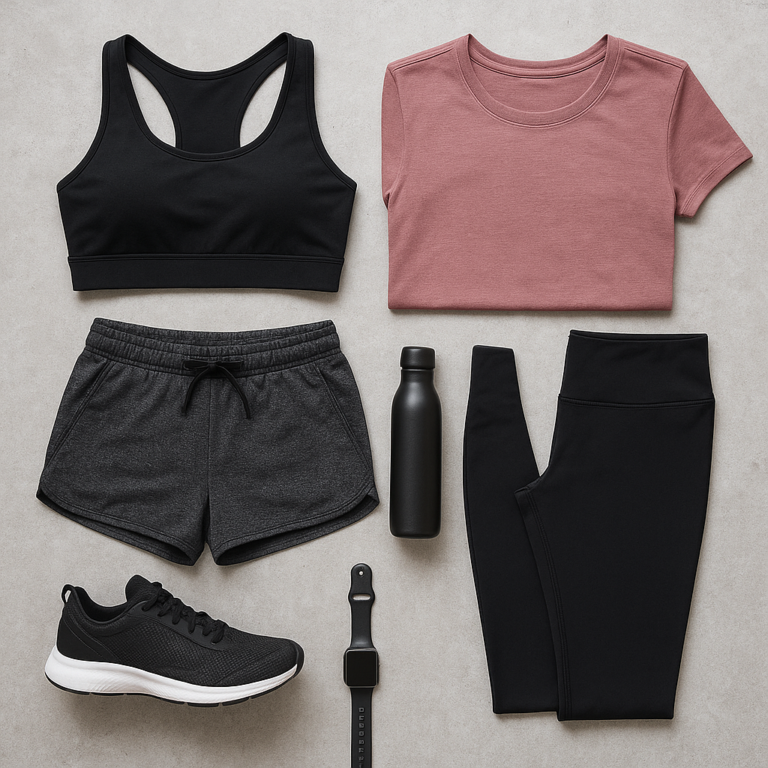
- Choose one comfortable athletic-inspired piece: leggings, jogers, a performance polo, or a sweat top.
- Balance the silhouette: pair a relaxed top with fitted bottoms, or a fitted top with loser pants.
- Add one polished detail: clean sneakers, a structured jacket, a neat tote, or simple jewelry.
- Check the context: the same outfit that works for coffee may not suit a formal office or special event.
✅ Our athlete-tested rule: comfort comes first, but fit and condition help an outfit look intentional. A sweatshirt with lint and yesterday’s training shorts might be comfy; it’s not necessarily the polished look you’re after.
👟 Athleisure Clothing Meaning and Key Features
Athleisure is a style category built around the crossover between athletic clothing and everyday wear. It can include technical training pieces, casual sportswear, or deliberately polished basics inspired by the gym and court. The key is not that every garment must perform like elite training gear; it’s that comfort and movement-friendly design meet an everyday aesthetic.
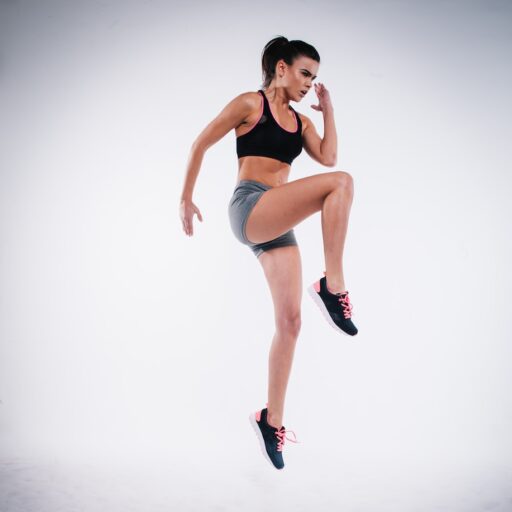
That overlap explains why people use “activewear” and “athleisure” interchangeably, even though they aren’t quite the same. A racerback top made for a high-intensity workout is activewear. Pair it with tailored jogers and clean sneakers for a coffee run, and you’ve styled an athleisure outfit.
Athleisure vs. Activewear, Sportswear, and Loungewear
| Category | Main purpose | Typical features | Everyday styling potential |
|---|---|---|---|
| Activewear | Exercise and training | Sweat management, stretch, support, sport-specific construction | High, especially for casual outings |
| Athleisure | Sport-inspired comfort for everyday life, sometimes exercise too | Comfortable fabrics, movement-friendly fit, versatile styling | The point of the category |
| Sportswear | A broad term for clothing associated with sport | May be technical, casual, or team-inspired | Varies widely |
| Loungewear | Relaxing at home or in low-key settings | Soft hand feel, easy fit, often less performance-focused | Can be styled out, but may look more relaxed |
| Streetwear | Casual fashion with cultural and urban influences | Graphic tees, sneakers, relaxed shapes, statement pieces | Very high, though not necessarily athletic |
These categories overlap. A pair of Nike leggings can be activewear during training and athleisure when styled for everyday use. A soft cotton sweatshirt can be loungewear, sportswear, or part of an athleisure outfit depending on how it’s worn.
What Makes an Outfit Athleisure?
Look for a combination of these elements:
- Comfort: a fit and fabric you can wear for hours.
- Movement-friendly construction: stretch panels, flexible waistbands, or cuts that don’t restrict your stride.
- Sport-inspired details: track stripes, ribed cuffs, quarter zips, racerback shapes, or court-style collars.
- Everyday versatility: pieces that can be mixed with regular wardrobe staples.
- Intentional styling: clean shoes, a balanced silhouette, or a layer that pulls the outfit together.
No one item has to tick every box. The trick is the overall effect: relaxed and functional, but still considered.
📜 The History and Rise of Athleisure Fashion

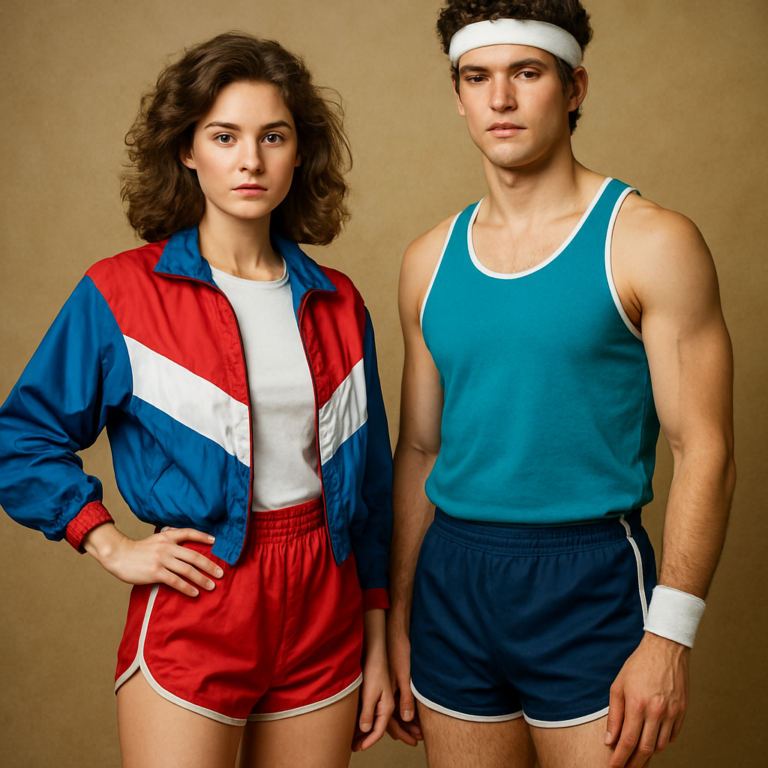
Athleisure didn’t appear overnight. Sportswear has been crossing into daily fashion for decades, from tracksuits and sneakers to yoga pants worn beyond the studio. What changed was the scale: athletic brands began designing clothing for both training and daily life, while shoppers increasingly expected comfort to work outside the gym, too.
The Gymshark style guide on preppy athleisure describes the category as a “portmanteau of comfort and wearability” and traces its growth from gym clothes worn outside the gym into a recognizable fashion category. Its account of preppy athleisure highlights the early 2020s, when tennis, golf, and other court-inspired looks became especially visible in everyday styling.
How the look has evolved
- Sport-to-street foundations: sneakers, sweatshirts, track pants, and warm-up layers moved from sports settings into casual wardrobes.
- Yoga and studio influence: stretchy leggings and fitted tops became everyday basics, not just workout uniforms.
- Technical fabric development: performance materials made athletic-inspired clothes more comfortable for long wear.
- The matching-set moment: coordinated tops and bottoms made casual outfits feel more deliberate.
- Preppy and court-inspired styling: polos, skorts, pleats, quarter zips, and tennis dresses brought a polished twist to the sporty look.
There’s also a social side to the trend. An essay in Common Good Magazine argues that expensive labels and coordinated wellness looks can signal status, time, and access to fitness opportunities. That perspective is worth considering alongside the practical one: athleisure can be a comfort-first wardrobe choice, but fashion also communicates social signals. A logo doesn’t tell us someone’s character, budget, or workout habits.
🧵 Athleisure Fabrics, Fit, and Performance Details
Fabric choice can make the difference between leggings you forget you’re wearing and leggings you spend a whole walk tuging up. Look at the fiber blend, fabric weight, stretch, construction, and care instructions, not just the color or logo.
Common Materials: Cotton, Polyester, Nylon, and Spandex
| Material | Common strengths | Potential drawbacks | Often used for |
|---|---|---|---|
| Coton | Soft, familiar feel; comfortable for casual wear | Can hold moisture and dry slowly during sweaty workouts | Sweatshirts, tees, jogers |
| Polyester | Durable, lightweight, often quick-drying | Can retain odors without proper washing and care | Training shirts, leggings, outer layers |
| Nylon | Smooth, strong, often soft against the skin | Performance varies by knit and blend; may need careful washing | Legings, sports bras, shorts |
| Spandex / elastane | Adds stretch and recovery | Usually blended with other fibers; heat can damage elasticity | Legings, fitted tops, sports bras |
| Merino wool | Naturally insulating and useful for temperature regulation | Needs appropriate care and can cost more than basic synthetics | Base layers, socks, light training layers |
The U.S. Federal Trade Commission explains how apparel fiber names and labeling are regulated in its textile and wool labeling guidance. For a specific garment, the care label is your most reliable starting point; fiber names alone don’t tell the whole performance story.
Moisture-Wicking, Stretch, Breathability, and Other Features
- Moisture management: moves sweat away from the skin or helps fabric dry faster. It can improve comfort, but it doesn’t mean the garment is waterproof.
- Stretch and recovery: let a garment move with you and return closer to its original shape. A four-way stretch fabric generally stretches both crosswise and lengthwise.
- Breathability: lets heat and moisture escape through the fabric. Mesh panels and lighter knits may help, though fit and construction matter too.
- Compression: a close, supportive feel. Compression is a preference and a design feature, not a guarantee of better athletic performance.
- Opacity and coverage: especially important for leggings and light-colored fabrics. Test movement in good lighting rather than assuming a fabric is squat-proof from the product photo.
- Seams and waistbands: flat seams may reduce friction, while a stable waistband can help prevent rolling or slipping.
- Pockets: convenient for keys or a phone, but check whether they bounce or pull the fabric during movement.
The American Academy of Dermatology’s guidance on workout clothes recommends choosing clothing that helps keep skin cool and dry during exercise. For heavy training, prioritize function and comfort over a fabric’s marketing vocabulary.
👕 Essential Athleisure Clothing and Wardrobe Staples
You don’t need a closet that looks like a sporting-goods store exploded. Start with a few reliable pieces you can wear in more than one combination, then add sport-specific clothing if your activities call for it.
Legings, Jogers, and Track Pants
Legings offer a streamlined fit for training, travel, or casual outfits. Choose a waistband and fabric that stay comfortable through your normal range of movement. For everyday wear, black or other neutral leggings can pair easily with tees, sweaters, and jackets.
Jogers usually have a relaxed leg with a cuffed or tapered ankle. They’re a comfortable middle ground between sweatpants and more structured trousers. Try a clean, solid-color pair if you want a polished feel; fleece jogers lean cozier.
Track pants bring more visible sport influence, often with stripes, snap details, or a lightweight shell. Pair them with a simple top so the pants don’t have to compete for attention.
Explore options from Nike, Adidas, and Athleta.
Sports Bras, Tanks, and T-Shirts
A sports bra should match the impact level and duration of your activity. For walking or yoga, you may prefer light support; running and jumping typically call for more support and a stable fit. The American College of Sports Medicine discusses sports bras as essential equipment for physical activity, with fit and support affecting comfort.
- Sports bras: consider band stability, strap comfort, coverage, and how easy the bra is to put on and remove.
- Tanks: useful for warm weather and layering; check that straps stay put during movement.
- T-shirts: cotton is comfortable for casual wear, while technical fabric may suit sweatier sessions.
- Fitted tops: pair well with loser bottoms; relaxed tees can balance leggings or bike shorts.
Browse Nike sports bras, Adidas sports bras, or Under Armour women’s tops.
Hoodies, Sweatshirts, and Lightweight Jackets
These are the layering workhorses of athleisure. A roomy hoodie brings an easy, relaxed shape; a crewneck sweatshirt often looks neater; a lightweight jacket adds structure and helps adapt to changing weather.
- For a balanced silhouette: wear an oversized sweatshirt with fitted bottoms.
- For a sharper casual look: choose a cleaner-cut jacket over a plain tee and jogers.
- For training: check whether the layer is breathable enough for the activity and season.
The Gymshark women’s collection and Adidas women’s sweatshirts offer examples of athletic-inspired layers in different fits.
Shorts, Skorts, and Performance Dresses
A pair of shorts is a straightforward warm-weather staple. For sport, look for secure pockets, comfortable liners, and a cut that supports your stride.
A skort combines a skirt-like outer layer with built-in shorts. It’s popular for tennis and golf because it offers a sporty silhouette with extra coverage. J.McLaughlin describes sport clothing as a way to stay “chic both on and off the court”; see its women’s sport collection for examples of court- and golf-inspired styling.
A performance dress offers a one-piece outfit option. Check the fabric, built-in shorts, strap design, pockets, and whether it suits the intended activity. Court-style dresses can also be layered with a sweatshirt or jacket for casual wear.
Shop examples from Athleta’s dresses, Nike women’s tennis clothing, and Adidas tennis apparel.
Sneakers, Socks, Bags, and Accessories
Accessories can make an outfit feel finished, but footwear deserves more than a style vote. Choose shoes based on the activity: a running shoe is built for different demands than a lifting shoe or a casual sneaker. The American Orthopaedic Foot & Ankle Society offers guidance on choosing athletic shoes.
Useful add-ons include:
- Crew socks: a practical, sporty styling detail; choose a comfortable height and fabric.
- Baseball caps: useful for casual outfits and sunny conditions.
- Totes and gym bags: help separate everyday items from sweaty gear.
- Lightweight layers: handy for warm-ups, commutes, and shifting temperatures.
- Simple jewelry: can polish a casual outfit; remove anything that could snag during training.
✨ 12 Athleisure Outfit Ideas for the Gym and Everyday Wear
The Gymshark styling guide recommends balancing relaxed and fitted shapes, then using layers and texture to make simple pieces feel more deliberate. Its Head of Design, Lois Woodcock, puts it this way: “Layering up your separates and experimenting with different fabrics and textures is what elevates an otherwise basic look.” We agree—one thoughtful layer can do more than adding three extra logos.
1. Legings and an Oversized Sweatshirt
Pair black leggings with a relaxed crewneck or hoodie and clean sneakers. The fitted bottom balances the roomy top. Add a structured tote if you’re heading out rather than lounging in.
2. Jogers and a Fitted T-Shirt
Choose tapered jogers with a plain fitted tee. This simple combination works for a walk, travel, or casual errands. A tidy hem and clean sneakers keep it from feeling like bedtime gear.
3. Matching Sports Bra and Legings Set
A coordinated set looks intentional with almost no styling effort. Add a zip hoodie or oversized shirt when you want more coverage. For exercise, check that the support level and fabric suit your session.
4. Bike Shorts and a Loose Button-Down
A crisp, roomy shirt adds structure to stretchy shorts. Wear it open over a tank, or button it for more coverage. White sneakers or sporty sandals can finish the look, depending on the setting.
5. Track Pants and a Cropped Top
Let the track pants provide the sporty detail, then keep the top relatively simple. A lightweight jacket works well if you want to add a layer without hiding the pants’ shape.
6. Tennis Skort and a Performance Polo
This court-inspired pairing looks neat and sporty. J.McLaughlin’s styling examples include pairing a polo with a skort for golf and a pleated skirt with a polo for tennis. For real play, check your sport’s dress requirements and choose suitable shoes.
7. Performance Dress and Sneakers
A performance dress is an easy one-piece outfit. Add a sweatshirt over your shoulders or wear a light jacket for a casual outing. We once saw a teammate wear a court-style dress from a morning practice straight to a café; the built-in shorts made the transition far more practical than the dress alone suggested.
8. Hoodie, Legings, and a Long Coat
A long, structured coat gives leggings and a hoodie a sharper outline. Keep the rest simple: neutral colors and clean shoes usually do the work.
9. Tailored Jogers and a Knit Top
Choose jogers with a smooth finish and a more refined fit, then pair them with a soft knit top. This is a useful option when you want comfort without a full gym-clothes look.
10. Legings and a Blazer
A longer blazer can add structure over leggings and a plain top. This outfit depends on context: it may work for a creative, casual environment, but it isn’t a substitute formal business attire.
11. Shorts and a Lightweight Training Jacket
A simple warm-weather combination for walks or casual errands. Choose shorts that stay comfortable when you sit, bend, and move; zip pockets are useful for carrying small essentials.
12. Monochrome Athleisure with Statement Sneakers
Dress in one color family, then let the sneakers add contrast. Monochrome looks can make mixed pieces feel coordinated, even when they aren’t a matching set.
🎨 How to Style Athleisure for Different Occasions
Athleisure is versatile, not context-proof. The occasion matters as much as the outfit. A sweat set may be perfect for a flight and out of place at a formal dinner; a polo and skort may work for a casual lunch but not a business presentation.
Casual Errands, Travel, and Weekend Wear
For everyday wear, choose comfortable items that still look clean and fit properly:
- Build around one sporty piece, such as leggings or jogers.
- Add a regular wardrobe item, such as a denim jacket, long coat, or cotton button-down.
- Keep shoes clean and suitable for the amount of walking you’ll do.
- Use a bag that works for your day instead of carrying a gym bag by default.
On long travel days, prioritize layers and a waistband that stays comfortable while sitting. Stretch is lovely; a waistband that feels like it’s negotiating a hostile takeover after two hours is not.
Work-Appropriate and Smart-Casual Athleisure
Whether athleisure works at work depends on your workplace’s dress code, role, and customer-facing expectations. If the environment is casual, try tailored jogers, a neat knit, a structured jacket, and simple shoes. Avoid sheer fabrics, visibly worn gear, and clothing that restricts movement at work.
A good test: could you comfortably meet a colleague or client in the outfit without feeling underdressed? If not, keep it for commuting, breaks, or after work.
Seasonal Athleisure: Layering for Warm and Cold Weather
| Conditions | Useful choices | What to watch for |
|---|---|---|
| Hot and humid | Lightweight tops, shorts, breathable fabrics | Sweat buildup, chafing, sun exposure |
| Cool and dry | Legings or jogers, long sleeves, a light jacket | Overheating during exercise |
| Cold and windy | Base layer, insulating midlayer, wind-resistant outer layer | Exposed skin and damp clothing |
| Rainy | Quick-drying layers and a suitable shell | A water-resistant fashion jacket may not equal a technical rain jacket |
For outdoor activity, dress for the weather and the intensity of movement. The National Weather Service provides cold-weather safety information; adjust layers if you’ll be exercising rather than standing still.
🏃 Athleisure by Activity and Sport
A cute outfit can get you to the activity. The right equipment helps you stay comfortable once you’re there. Here’s how we think about matching athleisure pieces to the job.
Yoga, Pilates, and Barre
Look for flexible clothing that stays in place as you bend, reach, and transition between poses.
- High-rise leggings or shorts can provide coverage during movement.
- A fitted tank can reduce fabric bunching.
- Choose a sports bra with support appropriate to the class and your comfort.
- Test waistband stability and fabric opacity with a few movements before class.
Running, Walking, and Hiking
For running, prioritize activity-appropriate shoes, secure fit, and fabrics that feel comfortable as you sweat. Pockets should hold essentials without bouncing, and seams shouldn’t rub.
For hiking, add layers and consider weather, terrain, and pack comfort. Everyday athleisure can work for an easy walk, but technical trail clothing and shoes are a better match for longer, rougher routes.
Strength Training and Gym Workouts
At the gym, choose clothes that let you move freely and don’t interfere with your exercise. Check that tops stay put during overhead movements, bottoms don’t restrict your range of motion, and shoes suit the workout.
A practical pre-session check:
- Squat, hinge, reach overhead, and take a few steps.
- Check whether seams rub or waistbands roll.
- Confirm that pockets don’t swing or interfere.
- Make sure your footwear is suitable for the training you plan to do.
Tennis, Golf, and Court Sports
Court and golf outfits often lean preppy: polos, pleated skirts, skorts, lightweight dresses, and clean sneakers. J.McLaughlin’s examples pair a polo with a skort for golf and a pleated skirt with a polo for tennis. Those are styling ideas, not universal equipment rules—check the facility’s dress code and wear shoes suited to the surface.
For court play, a skort can be practical because the built-in shorts provide coverage during movement. For golf, pockets and freedom of movement may matter more than a particular silhouette.
🛍️ How to Choose Athleisure Clothing
Before buying, ask three questions: Where will I wear it? What movement should it support? Will I reach for it often? Those answers help you avoid buying a beautiful garment that spends its life waiting for a very specific imaginary occasion.
Fit, Support, Coverage, and Comfort
Try the garment through the movements you’ll actually do. For leggings, check the waistband and coverage; for a sports bra, check support and strap comfort; for a jacket, see whether you can reach and layer without pulling.
✅ Good fit: secure but comfortable, with room to move and no unwanted slipping or digging.
❌ Poor fit: constant adjusting, pinching seams, rolling waistbands, or support that doesn’t match the activity.
Fit is personal. Compression and oversized styles are both valid if they feel good and suit the intended use.
Choosing the Right Fabrics for Your Activity
| Use | What to look for |
|---|---|
| Casual wear | Soft hand feel, comfortable fit, easy care |
| Sweaty workouts | Breathability, moisture management, secure construction |
| Layering | Light-to-midweight fabrics that fit comfortably beneath outerwear |
| Cold-weather activity | Warmth, effective layering, weather-appropriate protection |
| Court sports | Freedom of movement, secure fit, practical pockets, sport-appropriate shoes |
Check the garment tag and care instructions. Product descriptions can help, but phrases such as “performance fabric” don’t tell you how a garment will feel on your body or hold up after repeated washes.
Sizing, Body Types, and Inclusive Design
Sizing varies among brands and even among different garment styles from the same label. Use the brand’s measurement chart, read reviews from people with similar fit preferences, and look for information about inseam length, rise, cup sizing, and available size ranges.
When reading customer feedback, focus on repeated details rather than one dramatic review:
- Does the waistband roll?
- Is the fabric transparent when stretched?
- Does the item run short or long?
- Are straps comfortable over time?
- Does the fit change after washing?
Reviews are helpful evidence, not a guarantee. A reviewer’s preferred compression or body proportions may differ from yours.
Quality, Durability, and Cost per Wear
Rather than judging value from a brand name alone, consider how often you’ll wear the item and whether it holds up. Look for strong seams, fabric recovery, comfortable construction, useful pockets, and care instructions you can realistically follow.
A simple way to compare two options is to estimate cost per wear: divide the item’s purchase cost by how many times you expect to wear it. We’re not giving prices here, but the idea is useful: a versatile staple that lasts can offer better value than a trend piece worn twice.
🏷️ Popular Athleisure Brands and What They’re Known For
Brand reputation can help you make a shortlist, but it can’t replace checking the actual garment. Fabric, cut, support, and fit vary across each label’s range. Explore more in our Athletic Brand Guides, Brand Spotlights, and Fashion and Athletic Crossover features.
Nike, Adidas, and Puma
- Nike: broad range of training apparel, leggings, sports bras, sneakers, and casual sportswear. Browse Nike women’s clothing.
- Adidas: sportswear staples, tracksuits, sneakers, and court-inspired clothing. Browse Adidas women’s clothing.
- Puma: athletic and street-inspired apparel, footwear, and casual basics. Browse Puma women’s apparel.
Lulemon, Athleta, and Beyond Yoga
- Lulemon: known for yoga-inspired apparel and a broad range of leggings, tops, and layers. Browse Lulemon women’s clothing.
- Athleta: offers performance and lifestyle clothing across activities and everyday use. Browse Athleta women’s clothing.
- Beyond Yoga: focuses on soft-feling activewear and casual layers. Browse Beyond Yoga women’s clothing.
Under Armour, Gymshark, and New Balance
- Under Armour: training-focused apparel and footwear, including performance tops and leggings. Browse Under Armour women’s clothing.
- Gymshark: gym clothing with a strong casual styling range, including oversized sweatshirts and fitted training apparel. Browse Gymshark women’s clothing.
- New Balance: known for athletic shoes and sport-inspired clothing. Browse New Balance women’s clothing.
🧺 How to Wash and Care for Athleisure Clothes
Performance fabrics last longer when you follow the care label rather than treating every garment like an old towel.
- Separate sweaty clothing from clean laundry and wash it promptly when possible.
- Turn garments inside out to reduce friction on the outer surface.
- Use the care-label temperature and a suitable detergent.
- Avoid excessive heat unless the label permits it; high heat can damage stretch fibers and elastic.
- Skip fabric softener when the garment label advises against it, particularly for items designed to manage moisture.
- Air-dry when recommended to help preserve shape and stretch.
- Store completely dry clothing to reduce lingering odor.
The American Cleaning Institute’s laundry guidance offers general fabric-care information. Always follow the garment’s own label first.
🌱 Sustainable and Ethical Athleisure Fashion
Sustainable shopping is less about finding a magic green label and more about asking clear questions. A garment can use recycled fibers and still have shortcomings in durability, labor transparency, or end-of-life options. One of the most useful steps is buying fewer pieces you’ll wear often and care for properly.
When evaluating a brand or product, check:
- Material information: Are fibers and blends clearly listed?
- Durability: Does the garment seem built for repeated wear and washing?
- Repair and take-back options: Does the company offer repair, resale, or recycling programs?
- Supply-chain transparency: Does the brand disclose information about sourcing and manufacturing?
- Third-party certifications: What does the certification actually verify?
The U.S. Environmental Protection Agency discusses textile waste and sustainable materials management. Look for specific, verifiable claims rather than broad terms such as “eco-friendly” without supporting detail.
✅ Athleisure Dos and ❌ Don’ts
| ✅ Do | ❌ Don’t |
|---|---|
| Choose fit and fabric for the day’s activity. | Assume every athletic-looking garment is suitable for training. |
| Balance relaxed pieces with cleaner lines or structure. | Stack oversized items without considering proportion. |
| Check opacity, support, seams, and pockets in motion. | Rely only on a product photo or a single review. |
| Wear shoes suited to your activity and the surface. | Treat fashion sneakers as a substitute for sport-specific footwear. |
| Follow garment care labels. | Use high heat on stretch fabrics without checking instructions. |
| Consider the setting and dress code. | Assume athleisure is appropriate everywhere. |
| Choose pieces you’ll actually rewear. | Buy a matching set just because the algorithm says it’s your new personality. |
Athleisure can be a practical, enjoyable way to dress. It can also carry status signals, as Common Good Magazine observes. We don’t need to pretend those signals never exist, or that a brand label makes anyone better than anyone else. Wear what works for you, respect the setting, and let comfort serve your day—not define your worth.