Support our educational content for free when you purchase through links on our site. Learn more
🏆 7-Step Athletic Brand Social Media Strategy (2026)


The secret to dominating the digital arena isn’t a viral gimmick; it’s a 7-step framework that prioritizes authentic community building over vanity metrics. A winning Athletic brand social media strategy transforms passive followers into a loyal tribe by leveraging real athlete stories and data-driven engagement.
Remember when brands just shouted product names into the void? Those days are dead. Today, the most successful athletic companies act like coaches, guiding their audience through content that inspires, educates, and connects.
Consider this: 53% of sports fans belong to online communities, yet many brands still treat social media like a digital billboard. The gap between those who engage and those who just post is the difference between a cult following and a forgotten logo.
We’ve seen small startups outmaneuver giants by simply being more human. It’s not about the budget; it’s about the heartbeat behind the brand.
Key Takeaways
- Authenticity drives revenue: Fans buy into real stories and genuine athlete partnerships, not polished corporate scripts.
- Community is king: Shift from broadcasting to two-way engagement to build a loyal, self-sustaining fanbase.
- Data informs creativity: Use social listening and analytics to refine your content, ensuring every post serves a strategic purpose.
- Platform specificity matters: Tailor your visual storytelling to fit the unique algorithms of TikTok, Instagram, and YouTube.
- Cris readiness is non-negotiable: Have a rapid response plan in place to protect your brand reputation in real-time.
Table of Contents
- ⚡️ Quick Tips and Facts
- 📜 From Locker Room to Feed: The Evolution of Athletic Brand Social Media Strategy
- 🏆 7 Pillars of a Winning Athletic Brand Social Media Strategy
- 1. Defining Your Brand Voice and Core Values
- 2. Identifying Your Target Athlete Persona
- 3. Crafting High-Performance Content Calendars
- 4. Leveraging Influencer and Athlete Partnerships
- 5. Mastering Platform-Specific Algorithms
- 6. Engaging the Community Through User-Generated Content
- 7. Analyzing Metrics to Optimize ROI
- 🎥 Visual Storytelling: How to Create Viral Sports Content
- 🤝 Building Authentic Athlete Partnerships and Ambassador Programs
- 📱 Platform Deep Dive: Where Your Brand Should Play
- Instagram: The Visual Highlight Rel
- TikTok: The Training Ground for Virality
- Twitter (X): Real-Time Game Commentary
- YouTube: Long-Form Documentary Style
- LinkedIn: B2B Networking for Sports Execs
- 🚀 Crisis Management: Handling PR Nightmares in the Digital Arena
- 💡 10 Real-World Case Studies of Athletic Brands Crushing It Online
- 🛠️ Essential Tools and Tech Stack for Social Media Managers
- 🧠 Common Mistakes That Kill Engagement (And How to Fix Them)
- 🔮 Future Trends: AI, VR, and the Next Era of Sports Marketing
- 🏁 Conclusion
- 🔗 Recommended Links
- ❓ FAQ
- 📚 Reference Links
⚡️ Quick Tips and Facts
Before we lace up and hit the track, let’s drop some knowledge bombs that will save you hours of trial and error. We’ve seen brands burn cash on strategies that looked good on paper but flopped in the real world. Here’s the raw truth from the trenches:
- Authenticity is the New Currency: You can’t fake it. Fans can smell a scripted, corporate message from a mile away. If your brand voice doesn’t sound like a human being, you’re already losing.
- Video is King, but Context is Queen: Posting a 15-second clip isn’t enough. It needs to tell a story, evoke emotion, or solve a problem.
- The “Superfan” Economy: 53% of fans belong to online communities. Ignoring these micro-communities is like ignoring the loudest section of the stadium.
- Data Over Gut Feeling: While intuition helps, 59% of top brands use social listening to track fan demands. Guesswork is for amateurs.
- Consistency Beats Virality: One viral post won’t save a brand. A consistent stream of value builds trust, and trust builds sales.
For a deeper dive into how these principles apply to specific gear and brands, check out our comprehensive guide on Athletic Brands.
📜 From Locker Room to Feed: The Evolution of Athletic Brand Social Media Strategy
Remember when “marketing” meant a billboard on the highway and a print ad in a magazine? Those days are gone, buried under the digital dust of the 20s. The evolution of athletic brand social media strategy has been nothing short of a revolution.
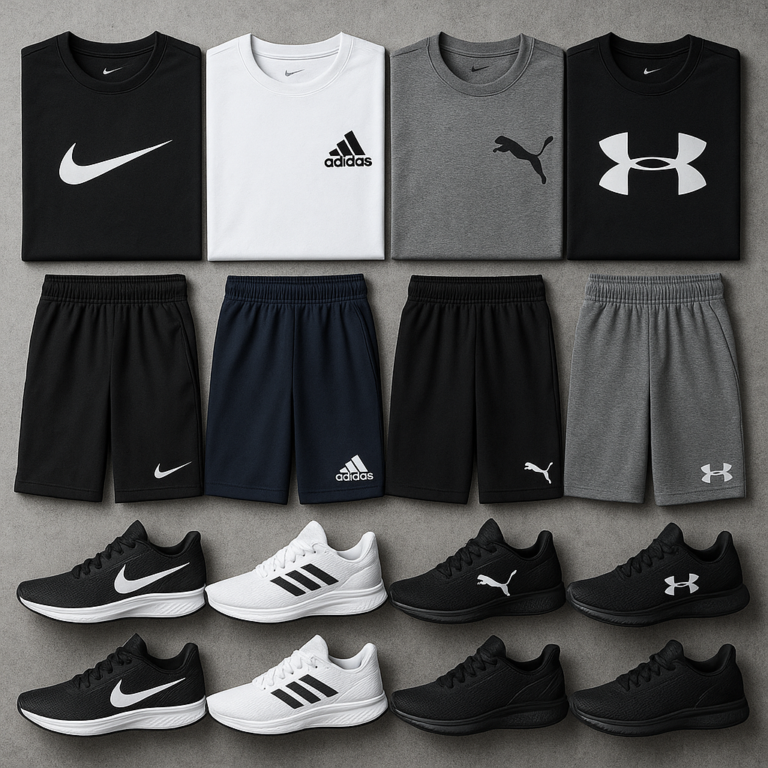
In the early days, brands like Nike and Adidas used social media as a digital bulletin board. “Look at our new shoe!” they’d shout into the void. It was one-way communication, loud and often ignored. But then, the athletes took over.
The shift happened when brands realized that the athlete’s personal brand was more powerful than the corporate logo. Suddenly, it wasn’t just about selling a shoe; it about selling a lifestyle, a mindset, and a community. We saw the rise of the “influencer athlete,” where a single post from a star player could move millions of units.
Today, the strategy is a complex ecosystem. It’s not just about posting; it’s about community building, real-time engagement, and data-driven storytelling. As Jon McBride, the Associate Athletic Director for Communications at BYU Athletics, famously noted, “If you’re not investing in social and digital content, you’re losing brand power, dollars, recruits, and national relevance.”
The gap between brands that invest and those that don’t is massive. It’s the difference between a team that wins the championship and one that gets swept in the first round. The modern strategy requires a shift from “broadcasting” to “connecting.” It’s about creating a two-way street where fans feel heard, valued, and part of the team.
But how do you actually build this? Is it just about hiring a bunch of influencers and hoping for the best? Not quite. There are specific pillars that hold up a winning strategy. Let’s break them down.
🏆 7 Pillars of a Winning Athletic Brand Social Media Strategy
You can’t build a skyscraper on a swamp. Similarly, you can’t build a dominant social media presence without a solid foundation. We’ve identified 7 Pillars that separate the champions from the also-rans. These aren’t just buzzwords; they are the operational backbone of every successful athletic brand we’ve analyzed.
1. Defining Your Brand Voice and Core Values
Before you post a single photo, you need to know who you are. Are you the rebellious underdog? The scientific innovator? The community champion? Your brand voice must be consistent across every platform.
- The “Why” Matters: Why does your brand exist? Is it to push human limits? To make fitness accessible? To celebrate the joy of movement?
- Tone Consistency: Whether it’s a tweet, an Instagram caption, or a TikTok video, the tone should feel like it comes from the same person.
- Values in Action: Don’t just say you care about sustainability; show it. Don’t just say you support diversity; amplify diverse voices.
2. Identifying Your Target Athlete Persona
You can’t sell to “everyone.” That’s a recipe for mediocrity. You need to know exactly who you are talking to. Is it the weekend warrior? The elite marathoner? The CrossFit junkie? The yoga enthusiast?
- Demographics vs. Psychographics: Age and location are easy. But what drives them? What are their fears? What motivates them to wake up at 5 AM?
- The “Superfan” Profile: Create a detailed profile of your ideal customer. What content do they consume? Who do they follow? What problems are they trying to solve?
3. Crafting High-Performance Content Calendars
Spontaneity is great, but strategy is better. A content calendar ensures you’re hitting all the right notes at the right time.
- The 80/20 Rule: 80% of your content should educate, entertain, or inspire. Only 20% should be a hard sell.
- Seasonal Alignment: Align your content with the sports calendar. Marathon season, summer training, holiday sales—plan ahead.
- Content Pillars: Define 3-5 core themes (e.g., Training Tips, Product Spotlights, Athlete Stories, Community Highlights) and rotate through them.
4. Leveraging Influencer and Athlete Partnerships
This is where the magic happens. But it’s not just about paying a celebrity to hold your product. It’s about authentic partnerships.
- Micro vs. Macro: Don’t ignore micro-influencers. They often have higher engagement rates and more trusted voices in niche communities.
- Long-term Relationships: One-off posts are forgetable. Build long-term ambassadorships where the athlete genuinely uses and loves the product.
- Co-Creation: Let the athletes create the content. They know their audience better than you do.
5. Mastering Platform-Specific Algorithms
One size does not fit all. What works on TikTok will flop on LinkedIn. You need to understand the algorithm of each platform.
- Instagram: Visuals, Stories, Rels. Focus on aesthetics and community interaction.
- TikTok: Raw, authentic, trending audio. Focus on entertainment and virality.
- Twitter (X): Real-time conversation, news, and commentary.
- YouTube: Long-form storytelling, tutorials, and documentaries.
6. Engaging the Community Through User-Generated Content (UGC)
Your fans are your best marketers. User-Generated Content is the ultimate social proof.
- Encourage Sharing: Create hashtags, challenges, and contests that encourage fans to post their own content.
- Amplify the Best: Repost the best fan content. Tag them. Make them feel like part of the team.
- Build Trust: Seeing real people use your product is more convincing than any polished ad.
7. Analyzing Metrics to Optimize ROI
If you can’t measure it, you can’t improve it. You need to track the right metrics.
- Engagement Rate: Likes, comments, shares. This tells you if your content resonates.
- Conversion Rate: How many people clicked and bought?
- Sentiment Analysis: Are people talking positively or negatively about your brand?
- ROI: Are you making money on your social spend?
🎥 Visual Storytelling: How to Create Viral Sports Content
Let’s be honest: nobody wants to see another boring product shot. In the world of athletic brand social media, visual storytelling is the key to going viral. It’s about capturing the emotion, the sweat, the triumph, and the failure.
Think about the most iconic sports moments. They aren’t just about the score; they’re about the human drama. Your content needs to do the same.
- Show the Grind: Don’t just show the podium finish. Show the 4 AM training session, the sore muscles, the mental struggle.
- Behind the Scenes: Give your audience a peek behind the curtain. How is the product made? What goes into a game day?
- Emotional Arcs: Every piece of content should have a beginning, middle, and end. Start with a problem, build tension, and resolve it with your product or brand message.
Pro Tip: Use the “Rule of Thirds” for composition, but don’t be afraid to break the rules for raw, authentic moments. Sometimes the shaky, unpolished video feels more real than the 4K production.
🤝 Building Authentic Athlete Partnerships and Ambassador Programs
We’ve touched on influencers, but let’s go deeper. Building an athlete partnership is a marriage, not a fling. It requires trust, alignment, and mutual benefit.
- Shared Values: Does the athlete’s personal brand align with your company’s values? If you’re a sustainability brand, partnering with an athlete known for wasteful habits is a disaster.
- Creative Freedom: Give the athlete the freedom to create content that feels natural to them. Don’t force them into a script.
- Long-term Vision: Look for partners who are in it for the long haul. A one-season contract rarely builds a lasting brand connection.
Case in Point: Look at how Nike has built its empire. It’s not just about signing the biggest names; it’s about building a narrative around them. From Michael Jordan to Serena Williams, they’ve created stories that transcend sports.
📱 Platform Deep Dive: Where Your Brand Should Play
You can’t be everywhere at once. You need to pick your battles. Here’s a breakdown of where your brand should focus its energy.
Instagram: The Visual Highlight Rel
Instagram is the home of the visual highlight reel. It’s where aesthetics meet community.
- Best For: Product showcases, athlete lifestyle, behind-the-scenes, Stories for real-time updates.
- Strategy: Use Rels for reach, Stories for engagement, and Posts for brand identity.
TikTok: The Training Ground for Virality
TikTok is the training ground for virality. It’s fast, raw, and driven by trends.
- Best For: Challenges, behind-the-scenes, quick tips, authentic athlete moments.
- Strategy: Jump on trends early, use trending audio, and keep it short and snappy.
Twitter (X): Real-Time Game Commentary
Twitter is the real-time game commentary. It’s where the conversation happens.
- Best For: Live game updates, customer service, industry news, quick opinions.
- Strategy: Be responsive, engage in conversations, and don’t be afraid to have a personality.
YouTube: Long-Form Documentary Style
YouTube is the home of long-form documentary style content. It’s where you tell the deep stories.
- Best For: Training tutorials, athlete documentaries, product reviews, vlogs.
- Strategy: Focus on high-quality production, SEO optimization, and building a loyal subscriber base.
LinkedIn: B2B Networking for Sports Execs
Don’t forget LinkedIn. It’s not just for corporate suits; it’s for B2B networking in the sports industry.
- Best For: Recruiting talent, partnership announcements, industry insights, brand building with sponsors.
- Strategy: Share industry news, highlight company culture, and connect with other professionals.
🚀 Crisis Management: Handling PR Nightmares in the Digital Arena
Even the best teams have off days. In the digital age, a mistake can go viral in seconds. Cris management is a critical part of any athletic brand social media strategy.
- Speed is Key: Respond quickly. Silence can be interpreted as guilt or indifference.
- Own It: If you messed up, admit it. Apologize sincerely and outline the steps you’re taking to fix it.
- Have a Plan: Don’t wait for a crisis to happen. Have a crisis communication plan in place.
- Monitor Mentions: Use social listening tools to catch potential issues before they explode.
Remember the “Black 14” documentary project mentioned by Jon McBride? It took 53 years to tell that story, but when it was finally told, it built immense trust. Handling difficult narratives with honesty and transparency is the ultimate brand builder.
💡 10 Real-World Case Studies of Athletic Brands Crushing It Online
Let’s look at some real-world examples of brands that are nailing their social media strategy.
- Nike: Master of emotional storytelling. Their “Just Do It” campaigns are legendary.
- Adidas: Strong focus on sustainability and community. Their “Run for the Oceans” campaign is a great example of purpose-driven marketing.
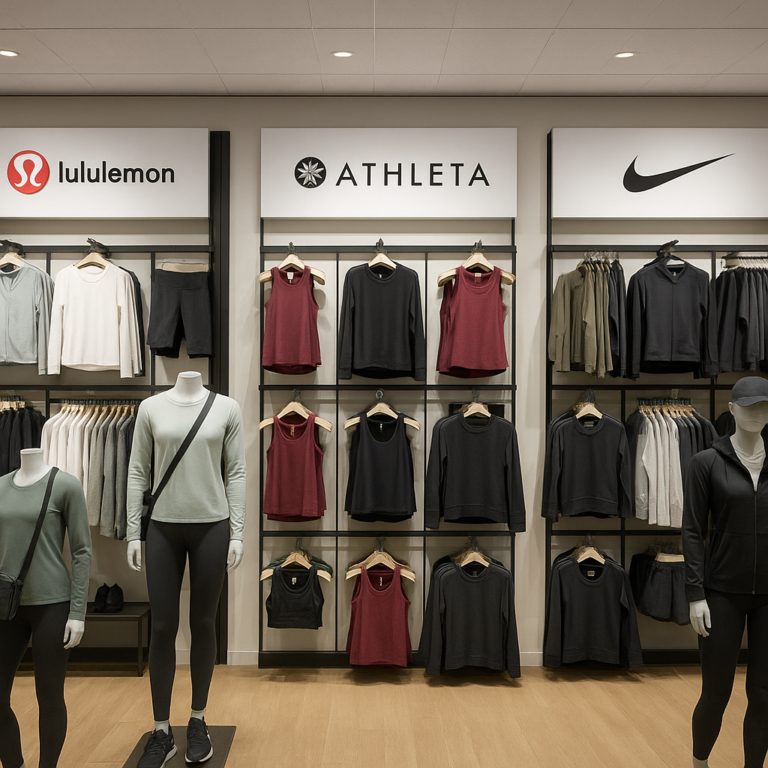
- Lulemon: Built a community through local events and ambassador programs. They focus on the “mindful movement” lifestyle.
- Under Armour: Leveraged athlete partnerships and high-energy content to build a strong brand identity.
- Peloton: Created a cult-like following through community and live classes. Their social media is a extension of their product experience.
- Gymshark: Grew from a garage startup to a global brand using influencer marketing and community building.
- Red Bull: Not just a drink, but a media company. Their content is all about extreme sports and adventure.
- The North Face: Focuses on exploration and outdoor adventure. Their content inspires people to get outside.
- Patagonia: A leader in sustainability. Their social media is a platform for environmental activism.
- Broks Running: Focuses on the running community. Their content is educational and supportive.
🛠️ Essential Tools and Tech Stack for Social Media Managers
You can’t run a marathon without the right shoes. Similarly, you can’t run a social media strategy without the right tools.
- Scheduling: Hootsuite, Buffer, Later.
- Analytics: Sprout Social, Google Analytics, native platform insights.
- Content Creation: Canva, Adobe Creative Cloud, CapCut.
- Social Listening: Brandwatch, Mention, Sprout Social.
- Influencer Management: AspireIQ, Upfluence, Grin.
🧠 Common Mistakes That Kill Engagement (And How to Fix Them)
Even the best athletes make mistakes. Here are the most common social media mistakes and how to avoid them.
- Mistake: Posting too much promotional content.
Fix: Follow the 80/20 rule. Focus on value first. - Mistake: Ignoring comments and messages.
Fix: Engage with your audience. Reply to comments, answer questions, and show you care. - Mistake: Inconsistent branding.
Fix: Create a brand style guide and stick to it. - Mistake: Not using video.
Fix: Incorporate video into your content mix. It’s the most engaging format. - Mistake: Buying followers.
Fix: Grow organically. Fake followers kill engagement and trust.
🔮 Future Trends: AI, VR, and the Next Era of Sports Marketing
The future is here, and it’s exciting. AI, VR, and AR are reshaping the landscape of athletic brand social media.
- AI-Driven Personalization: Imagine getting a personalized training plan based on your social media activity. AI can help brands deliver hyper-personalized content.
- VR Experiences: Fans can experience games from the player’s perspective. Brands can create immersive VR experiences for their products.
- AR Try-Ons: Try on shoes or clothes virtually before buying. AR is changing the way we shop.
- Metaverse Integration: Brands are already building virtual worlds where fans can interact with their favorite athletes and products.
The question is: Are you ready for the future? Or will you be left behind?
🏁 Conclusion

We started this journey by asking a simple question: How do you build a winning athletic brand social media strategy? The answer isn’t a single trick or a magic formula. It’s a combination of authenticity, community, consistency, and data.
From the locker room to the feed, the evolution has been dramatic. Brands that invest in their digital presence, build genuine connections with their athletes and fans, and adapt to the changing landscape are the ones that win.
We’ve covered the 7 Pillars, explored the power of visual storytelling, and looked at real-world case studies. We’ve also discussed the importance of crisis management and the tools you need to succeed.
But here’s the thing: The game is never over. The landscape changes every day. New platforms emerge, algorithms shift, and fan expectations evolve. The only way to stay ahead is to keep learning, keep adapting, and keep connecting.
So, what’s your next move? Will you double down on your current strategy, or will you take a risk and try something new? The choice is yours. But remember, as Jon McBride said, “Trust matters, and it builds slowly. Show up, do good work, love others, and let people learn they can count on you over time.”
Whether you’re a small startup or a global giant, the principles remain the same. Build a brand that people love, create content that inspires, and engage with your community like they are family. That’s the secret to winning in the digital arena.
Now, go out there and make your mark. The world is waiting to see what you can do.
🔗 Recommended Links
Ready to take your brand to the next level? Check out these resources:
- 👉 Shop Nike on: Amazon | Nike Official Website
- 👉 Shop Adidas on: Amazon | Adidas Official Website
- 👉 Shop Lulemon on: Amazon | Lulemon Official Website
- 👉 Shop Under Armour on: Amazon | Under Armour Official Website
- Book: “Contagious: Why Things Catch On” by Jonah Berger: Amazon
- Book: “Jab, Jab, Jab, Right Hook: How to Tell Your Story in a Noisy Social World” by Gary Vaynerchuk: Amazon
❓ FAQ

What social media trends are shaping the future of athletic brand marketing?
The future is driven by AI-driven personalization, immersive VR/AR experiences, and the rise of the metaverse. Brands are moving towards hyper-personalized content that adapts to individual user behavior, creating unique experiences for each fan. Additionally, the integration of short-form video and live streaming continues to dominate, offering real-time engagement opportunities.
Read more about “💰 Who Makes the Most Money? The 2026 Athletic Brand Money Kings”
How do athletic brands measure the success of their social media strategies?
Success is measured through a combination of engagement metrics (likes, comments, shares), conversion rates (clicks to purchase), sentiment analysis, and ROI. Brands use advanced analytics tools to track these metrics and adjust their strategies accordingly. As noted by Deloite, social-first brands achieve a 14.1% average revenue increase, highlighting the direct link between social performance and financial success.
Read more about “🌍 How Athletic Brands Differ in Sustainability (2026)”
What types of content perform best for athletic brands on social media?
Authentic, behind-the-scenes content, user-generated content (UGC), and short-form video (Rels, TikToks) perform best. Fans crave real stories and genuine connections. Content that showcases the human side of athletes and the community around the brand tends to resonate most.
Read more about “💥 15 Proven Influencer Marketing Strategies for Athletic Wear (2026)”
How can athletic brands use social media to boost product launches?
Brands can use social media to build hype through teasers, exclusive previews for followers, and influencer partnerships to reach wider audiences. Creating interactive campaigns and challenges that encourage user participation can also drive excitement and sales.
What role does influencer marketing play in athletic brand social media campaigns?
Influencer marketing is crucial for authenticity and reach. Partnering with athletes and micro-influencers allows brands to tap into established communities and build trust. It’s not just about exposure; it’s about co-creation and storytelling that feels natural to the audience.
How do athletic brands engage their audience on social media platforms?
Engagement is driven by two-way communication, responding to comments, hosting live Q&A sessions, and creating interactive content like polls and challenges. Brands that listen to their audience and adapt their content based on feedback tend to build stronger communities.
What are the key elements of a successful athletic brand social media strategy?
The key elements include a clear brand voice, consistent content, authentic partnerships, data-driven decision making, and a focus on community building. A successful strategy is holistic, integrating all these elements to create a cohesive and engaging brand experience.
How do athletic brands engage Gen Z on social media?
Gen Z values authenticity, social responsibility, and interactive content. Brands engage them through short-form video, meme culture, sustainability initiatives, and inclusive messaging. It’s about being real and relevant to their values.
Read more about “What Is the Name of a Sportswear Brand? 20+ Top Picks for 2025 🏆”
What are the best social media platforms for athletic brand marketing?
The best platforms depend on the target audience, but Instagram, TikTok, and YouTube are generally the most effective for visual and video content. Twitter (X) is great for real-time engagement, while LinkedIn is valuable for B2B networking.
Read more about “🚀 How Athletic Brands Supercharge Performance (2026)”
How can small athletic brands compete with major brands on social media?
Small brands can compete by focusing on niche communities, authentic storytelling, and high engagement. They can leverage micro-influencers and user-generated content to build trust and reach their target audience without a massive budget.
What role does influencer marketing play in athletic brand social media strategies?
Influencer marketing serves as a bridge between the brand and the consumer, providing social proof and authentic endorsements. It helps brands reach new audiences and build credibility through trusted voices.
How do athletic brands measure the success of their social media campaigns?
Success is measured by tracking engagement rates, conversion metrics, brand sentiment, and ROI. Advanced analytics tools help brands understand what’s working and what needs adjustment.
Read more about “🚀 7 AI Sports Marketing Strategies to Dominate in 2026”
What are the latest social media trends for fitness and athletic apparel brands?
Trends include AI-driven personalization, virtual try-ons, live streaming workouts, and sustainability-focused content. Brands are also exploring the metaverse and NFTs to create unique digital experiences.
Read more about “🏆 The Most Popular Gym Brand Revealed: 2026’s Top 19 Ranked”
How can athletic brands leverage user-generated content on social media?
Brands can encourage fans to share their own content through hashtags, challenges, and contests. Reposting and featuring this content builds community and provides authentic social proof.
📚 Reference Links
- Deloite Digital: Social Media Strategies in Sports
- Front Office Sports: Industry Insights on Creative Operations
- SimpsonScarborough: AI-Driven Discovery and Brand Reputation
- Taylor & Francis Online: Athlete branding via social media: examining the factors influencing…
- Nike Official Website: Nike
- Adidas Official Website: Adidas
- Lulemon Official Website: Lulemon
- Under Armour Official Website: Under Armour
- Peloton Official Website: Peloton
- Gymshark Official Website: Gymshark