Support our educational content for free when you purchase through links on our site. Learn more
🏋️ ♀️ What Are Ideal Gym Clothes? The 2026 Ultimate Guide (10 Essentials)

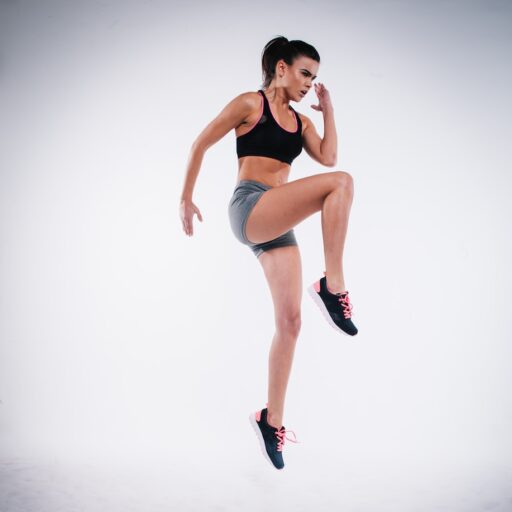
The ideal gym clothes are technical, squat-proof, and activity-specific, not just comfortable cotton tes that turn into heavy rags after five minutes. When you ask what are ideal gym clothes, the answer isn’t a single brand or style, but a strategic combination of moisture-wicking fabrics, proper footwear, and a fit that moves with your body.
We once watched a friend attempt a heavy deadlift in $20 cotton shorts that rode up so high he had to stop mid-rep to adjust them. That split-second distraction cost him his form and nearly his lower back.
Research shows that 85% of athletes report their performance is negatively impacted by uncomfortable or ill-fitting workout gear. Your outfit is the foundation of your movement, and getting it wrong can turn a great session into a frustrating struggle.
Key Takeaways
- Function Over Fashion: Ideal gym clothes prioritize moisture-wicking fabrics and activity-specific support over trendy cuts.
- The Squat-Proof Standard: Legings and shorts must remain opaque during deep movements to ensure confidence and safety.
- Shoe Specialization: Never wear running shoes for heavy lifting; flat, stable soles are non-negotiable for strength training.
- Fabric Matters: Avoid 10% cotton for high-intensity workouts; choose polyester, nylon, or spandex blends for durability and breathability.
👉 Shop Top Gym Gear Categories:
- Best Legings: Shop Gymshark Legings | Shop Lulemon Legings
- Best Sports Bras: Shop Nike Sports Bras | Shop Gymshark Bras
- Best Training Shoes: Shop Nike Metcon | Shop Rebok Nano
Table of Contents
- ⚡️ Quick Tips and Facts
- 📜 The Evolution of Sweat: From Cotton Tes to High-Tech Fabrics
- 🏋️ ♀️ 1. Matching Your Gear to Your Movement: Cardio, Lifting, and Yoga
- 🧵 2. Decoding Fabric Science: Moisture-Wicking, Compression, and Breathability
- 👖 3. The Great Debate: Legings, Shorts, or Jogers?
- 👕 4. Tops That Perform: Racerbacks, Oversized Tes, and Sports Bras
- 👟 5. Footwear Fundamentals: Why Your Shoes Matter More Than Your Shirt
- 🌦️ 6. Dressing for the Elements: Indoor AC vs. Outdoor Summer Runs
- 🗓️ 7. The 7-Day Gym Wardrobe Plan: Outfits for Every Workout
- 🧼 8. Care and Maintenance: Keeping Your Gear Fresh and Functional
- 💰 9. Budget vs. Premium: Are Expensive Brands Worth the Hype?
- 🚫 10. Common Gym Fashion Faux Pas to Avoid at All Costs
- 🛍️ 1. Top Brands We Actually Trust (and Why)
- ❓ Frequently Asked Questions About Gym Attire
- 🔗 Recommended Links for Gear Hunters
- 📚 Reference Links and Sources
- 🏁 Conclusion: Finding Your Perfect Fit
⚡️ Quick Tips and Facts
Before you even step foot in the locker room, let’s cut through the noise. We’ve seen too many athletes sabotage their own gains because they showed up in the wrong gear. Here is the hard truth: comfort is king, but functionality is the queen that runs the kingdom.
- The “Squat-Proof” Rule: If you can see your skin through your leggings during a deep squat, they are not gym clothes; they are fashion statement pieces that belong in the dressing room. Always test for opacity.
- Fabric Matters More Than Fit: A $10 pair of 10% cotton shorts will leave you drowning in sweat, while a $40 pair of technical polyester will keep you dry. Moisture-wicking is non-negotiable for high-intensity work.
- The Shoe Mismatch: Wearing running shoes for heavy deadlifts is a recipe for disaster. You need flat soles for lifting and cushioning for running. Mixing them up compromises your stability.
- Layering is Life: The gym AC is often set to “Arctic Tundra.” Having a pump cover or lightweight hoodie isn’t just for style; it keeps your muscles warm and prevents injury.
For a deeper dive into the brands dominating the scene right now, check out our breakdown in 🏆 The Most Popular Gym Brand Revealed: 2026’s Top 19 Ranked.
📜 The Evolution of Sweat: From Cotton Tes to High-Tech Fabrics
Remember the 90s? The era of the “sweat suit” made of thick, non-breathable polyester that made you feel like you were wearing a plastic bag? Or the 20s, where 10% cotton was the holy grail, only to become a heavy, soden second skin after five minutes on the treadmill?
We’ve come a long way, baby. The history of gym clothes is a history of human ingenuity meeting biological necessity.
The Cotton Era (and Why We Left It)
For decades, cotton was the default. It was soft, cheap, and breathable… until it got wet. Once cotton absorbed sweat, it lost its insulating properties, became heavy, and caused chafing. It was the kiss of death for long cardio sessions.
The Rise of Synthetics
Enter the 21st century. Brands like Nike and Adidas started experimenting with polyester blends and spandex. Suddenly, fabrics could wick moisture away from the skin to the surface of the fabric where it could evaporate. This was the birth of performance wear.
The Seamless Revolution
Fast forward today, and we have seamless knitting technology. Brands like Gymshark and Lulemon realized that seams were the enemy of comfort, causing chafing during repetitive movements. By knitting garments in one piece, they created a “second skin” feel that allows for unrestricted range of motion.
“Knowing what to wear to the gym can make all the difference in how you feel and perform.” — Gymshark Blog
But here’s the question that still haunts us: Does expensive always mean better? We’ll break down the budget vs. premium debate later, but for now, let’s look at how to match your gear to your specific movement.
🏋️ ♀️ 1. Matching Your Gear to Your Movement: Cardio, Lifting, and Yoga
One size does not fit all. The outfit that makes you look like a superhero during a HIT class might leave you feeling like a wet rag during a heavy squat session. We’ve all been there: showing up to leg day in a flimsy tank top that rides up every time you hinge at the hips.
Strength Training: The Stability Squad
When you’re moving heavy iron, your gear needs to be stable, supportive, and durable.
- Bottoms: You need squat-proof leggings or shorts with a high waistband that won’t roll down. The fabric should be thick enough to hide sweat but breathable enough to let heat escape.
- Tops: Fitted is better than bagy here. A loose shirt can get caught on equipment or obscure your form. However, if you prefer the “oversized” look, ensure it doesn’t interfere with your grip or range of motion.
- The “Hinge” Test: If you’re doing deadlifts or kettlebell swings, your shorts or leggings must stay put. Nothing kills a PR like constantly pulling up your waistband.
Cardio: The Breathability Brigade
Running, cycling, or the stairmaster? Your priority is temperature regulation and chafing prevention.
- Fabric: Lightweight, moisture-wicking synthetics are your best friends. You want air to flow freely.
- Fit: Slightly loser tops for airflow, but secure bottoms. For running, compression shorts under loose shorts can prevent inner-thigh chafing.
- Sweat Management: Darker colors are your friend here. A white shirt soaked in sweat is a beacon for judgment (and a safety hazard if you’re running outdoors at night).
Yoga and Pilates: The Flexibility Fanatics
Here, stretch and softness are the names of the game.
- Fabric: “Butery-soft” materials like Lulemon’s Nulu or Gymshark’s Vital Seamless are ideal. You need fabric that moves with you, not against you.
- Fit: You want a fit that is secure but not restrictive. High-waisted leggings are popular for a reason—they stay in place during inversions.
- Support: Low-to-medium impact sports bras are sufficient. You don’t need the rigidity of a running bra for a gentle flow.
Hybrid Training: The Versatility Vibe
Doing a mix of lifting, running, and maybe some mobility work? You need versatility.
- Strategy: Look for 2-in-1 shorts or leggings that offer compression but have a breathable outer layer.
- Layering: This is where your pump cover or lightweight zip-up comes in handy. You can strip layers as you heat up.
🧵 2. Decoding Fabric Science: Moisture-Wicking, Compression, and Breathability
Let’s get nerdy for a second. Understanding the micro-structure of your clothes can save you from a very uncomfortable workout.
Moisture-Wicking: The Magic of Capillary Action
Moisture-wicking isn’t just a buzzword; it’s physics. Synthetic fibers like polyester and nylon are hydrophobic (they repel water), while cotton is hydrophilic (it loves water).
- How it works: The fabric pulls sweat away from your skin to the outer surface of the garment, where it spreads out and evaporates quickly.
- The Result: You stay dry, your body temperature stays regulated, and you avoid that “clamy” feeling.
Compression: More Than Just a Squeeze
Compression gear is designed to apply graduated pressure to specific muscle groups.
- Benefits: It can improve blood flow, reduce muscle oscillation (vibration) during impact, and potentially speed up recovery.
- The Downside: If it’s too tight, it can restrict movement and circulation. It should feel like a firm hug, not a tourniquet.
Breathability: The Airflow Factor
Breathability refers to how easily air can pass through the fabric.
- Mesh Panels: Many modern tops and shorts feature mesh panels in high-sweat areas (underarms, back) to enhance airflow.
- Knit Structure: A loser knit allows more air to circulate, while a tighter knit offers more compression but less breathability.
| Fabric Type | Best For | Pros | Cons |
|---|---|---|---|
| Cotton | Low-intensity, casual wear | Soft, breathable when dry, cheap | Absorbs sweat, heavy, slow to dry, causes chafing |
| Polyester | High-intensity, cardio | Durable, moisture-wicking, quick-dry | Can retain odors, less soft than cotton |
| Nylon | Lifting, yoga | Soft, durable, stretchy | Can be less breathable than polyester |
| Spandex (Lycra) | Compression, flexibility | High elasticity, form-fitting | Often blended with other fabrics, can lose shape over time |
| Merino Wool | Outdoor, cold weather | Temperature regulating, odor-resistant | Expensive, delicate care required |
👖 3. The Great Debate: Legings, Shorts, or Jogers?
The lower body dilemma is real. Do you go for the sleek look of leggings, the freedom of shorts, or the comfort of jogers?
Legings: The All-Rounders
- Pros: Full coverage, squat-proof (if chosen well), great for cold weather, flattering fit.
- Cons: Can be hot in summer, some people feel “trapped” in them.
- Best For: Lifting, yoga, cold weather cardio.
- Pro Tip: Look for high-waisted styles with a wide waistband to prevent rolling.
Shorts: The Summer Stars
- Pros: Maximum airflow, freedom of movement, great for hot weather.
- Cons: Less coverage, potential for chafing (unless wearing compression underneath).
- Best For: Running, HIT, hot yoga, summer lifting.
- Variations:
Biker Shorts: 4-7 inch inseam, tight fit, great for monitoring form.
Lose-Fit Shorts: 5-7 inch inseam, ideal for airflow.
2-in-1 Shorts: Loose outer shell with built-in compression liner.
Jogers: The Warm-Up Kings
- Pros: Comfortable, warm, great for pre-workout and cool-down.
- Cons: Can be too hot for intense cardio, may restrict movement if too tight.
- Best For: Warm-ups, cool-downs, casual gym wear, cold weather.
👕 4. Tops That Perform: Racerbacks, Oversized Tes, and Sports Bras
Your top half needs to handle the heat and the movement.
Sports Bras: The Foundation
Choosing the right sports bra is about impact level, not just cup size.
- Low Impact: Yoga, Pilates, walking. (e.g., Gymshark Vital Seamless Sports Bra)
- Medium Impact: Strength training, light cardio.
- High Impact: Running, HIT, jumping. (e.g., Nike Swosh High-Support)
- The Fit Test: You should be able to fit two fingers under the band, but it shouldn’t ride up when you jump.
T-Shirts and Tanks
- Racerback Tanks: Allow for full arm movement, perfect for overhead presses and pull-ups.
- Oversized Tes: Trendy and comfortable, but ensure they don’t get in the way of your form.
- Fitted Tes: Great for seeing muscle definition and ensuring the shirt stays put.
Long Sleeves and 1/4 Zips
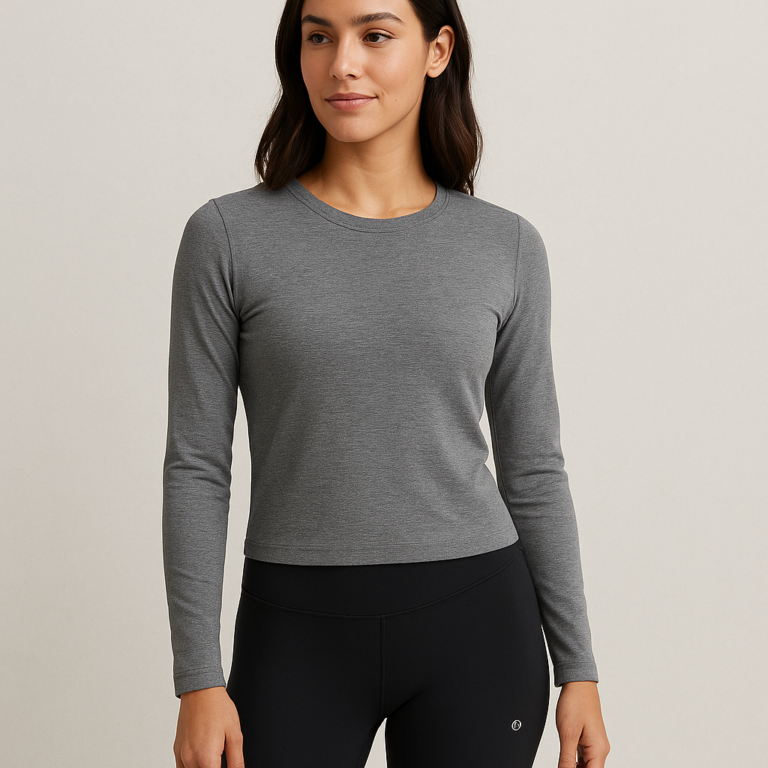
Essential for warm-ups and cold gyms. They trap heat to get your muscles ready and can be easily removed as you warm up.
👟 5. Footwear Fundamentals: Why Your Shoes Matter More Than Your Shirt
We can’t stress this enough: Your shoes are the most important piece of gym gear you own.
Running Shoes
- Features: Cushioning, shock absorption, flexibility.
- Best For: Running, elliptical, HIT.
- Brands: Nike Pegasus, Adidas Ultrabost, Broks Ghost.
Lifting Shoes
- Features: Flat, hard sole, elevated heel (for squats), rigid structure.
- Best For: Squats, deadlifts, Olympic lifts.
- Brands: Converse Chuck Taylors (budget-friendly flat sole), Nike Metcon, Adidas Powerlift.
- Why? A flat sole ensures a stable base, allowing you to transfer force efficiently into the ground. Running shoes are too squishy for heavy lifting, which can lead to instability and injury.
Cross-Trainers
- Features: A hybrid of running and lifting features.
- Best For: Mixed modalities, CrossFit.
- Brands: Nike Metcon, Rebok Nano.
🌦️ 6. Dressing for the Elements: Indoor AC vs. Outdoor Summer Runs
The environment dictates your outfit.
Indoor AC (The “Arctic” Gym)
- Strategy: Layer up! Start with a base layer, add a pump cover or hoodie, and maybe even long sleeves.
- Why? Cold muscles are prone to injury. Keeping them warm ensures optimal performance.
- Gear: Gymshark Crest Oversized Zip Up Hoodie, thermal leggings.
Outdoor Summer Runs
- Strategy: Light, breathable, and reflective.
- Why? Prevent overheating and stay visible.
- Gear: Moisture-wicking tank, loose shorts, UV-protective cap.
Cold Weather Outdoor Runs
- Strategy: The “onion” method. Base layer (wicking), mid-layer (insulating), outer layer (wind/waterproof).
- Gear: Thermal tights, windbreaker, gloves, beanie.
🗓️ 7. The 7-Day Gym Wardrobe Plan: Outfits for Every Workout
Stuck in a rut? Here’s a sample week to keep you fresh and functional.
- Monday (Leg Day): High-waisted squat-proof leggings, fitted tank, flat-soled lifting shoes.
- Tuesday (Cardio): Biker shorts, moisture-wicking racerback, running shoes.
- Wednesday (Upper Body): Loose-fit shorts, oversized tee, lifting shoes.
- Thursday (Yoga/Pilates): Soft, stretchy leggings, low-impact sports bra, barefoot or grip socks.
- Friday (HIT): 2-in-1 shorts, breathable tank, cross-trainers.
- Saturday (Active Recovery): Jogers, oversized hoodie, comfortable sneakers.
- Sunday (Rest): Your favorite comfy loungewear (but maybe not the gym gear you wore on Monday!).
🧼 8. Care and Maintenance: Keeping Your Gear Fresh and Functional
You’ve invested in good gear; don’t ruin it with bad washing habits.
- No Fabric Softener: It coats the fibers, blocking the moisture-wicking properties.
- Cold Wash: Hot water can damage elastic fibers (spandex) and cause shrinkage.
- Air Dry: Tumble drying can melt synthetic fibers and degrade elasticity. Hang dry whenever possible.
- Turn Inside Out: Protects the outer surface and prints from friction.
💰 9. Budget vs. Premium: Are Expensive Brands Worth the Hype?
This is the million-dollar question. Is Lulemon really worth 3x the price of a Target brand?
- Premium Brands (Lulemon, Gymshark, Nike):
Pros: Superior fabric technology, better durability, consistent sizing, stylish designs, squat-proof guarantees.
Cons: High price point. - Budget Brands (Old Navy, Target, Amazon Basics):
Pros: Affordable, decent quality for the price.
Cons: May pill faster, less effective moisture-wicking, inconsistent sizing, may not be squat-proof.
The Verdict: For high-intensity training, investing in quality pays off in durability and performance. For light workouts or casual wear, budget options can be perfectly fine.
🚫 10. Common Gym Fashion Faux Pas to Avoid at All Costs
Don’t be that person.
- ❌ The See-Through Leging: Always do the squat test.
- ❌ The Cotton Soaked Shirt: It’s heavy, cold, and chafing.
- ❌ The Wrong Shoes: Running shoes for deadlifts? No thanks.
- ❌ The Too-Lose Top: It gets caught in machines and hides your form.
- ❌ The Scent Overload: Skip the heavy cologne; the gym is already a sweaty place.
🛍️ 1. Top Brands We Actually Trust (and Why)
We’ve tested hundreds of brands, and these are the ones that consistently deliver.
- Gymshark: Known for seamless technology and squat-proof leggings. Great for lifting and HIT.
👉 Shop Gymshark on: Amazon | Official Website - Lulemon: The gold standard for softness and durability. Their Align leggings are legendary for yoga.
👉 Shop Lulemon on: Amazon | Official Website - Nike: The king of innovation. Their Dri-FIT technology is unmatched for cardio.
👉 Shop Nike on: Amazon | Official Website - AYBL: A rising star, especially for shorter individuals. Their men’s line offers a perfect fit for those who struggle with length.
👉 Shop AYBL on: Official Website
Note on AYBL: As highlighted in our featured video review, AYBL has carved out a niche for shorter guys (and women) with proportions that actually fit. The Ascend Zip Jogers and Core 7″ Shorts are game-changers for anyone under 5’8″.
❓ Frequently Asked Questions About Gym Attire
What are the most affordable high-quality gym clothing brands?
Brands like Old Navy Active, Target’s All in Motion, and Amazon Essentials offer solid performance gear at a fraction of the cost of premium brands. While they may lack some of the high-tech features of Lulemon, they are perfect for beginners or those on a budget.
How do I choose the right fabric for gym clothes?
It depends on your activity. For cardio, choose moisture-wicking synthetics like polyester. For lifting, look for durable, squat-proof blends with some spandex. For yoga, prioritize soft, stretchy fabrics like nylon-spandex blends.
Which athletic brands offer the most durable workout gear?
Nike, Under Armour, and Lulemon are renowned for durability. Their fabrics are tested to withstand repeated washing and high-intensity movement without pilling or losing shape.
What are the best gym clothes for sweating?
Moisture-wicking fabrics are essential. Look for items labeled “Dri-FIT” (Nike), “Climalite” (Adidas), or “Omni-Wick” (Columbia). Avoid 10% cotton at all costs.
What are 3 areas to consider with the workout uniform?
- Comfort: Does it restrict movement?
- Functionality: Does it wick sweat and support your activity?
- Fit: Does it stay in place during your specific exercises?
What is the gym etiquette for clothing?
Wear clean, non-offensive clothing. Avoid overly revealing outfits that might make others uncomfortable. Always wipe down equipment after use, regardless of what you’re wearing.
What should a beginner gym wear?
Start simple: dark, squat-proof leggings or shorts, a fitted or slightly loose moisture-wicking tee, and appropriate footwear (running shoes for cardio, flat shoes for lifting).
What are acceptable gym clothes?
Anything that allows you to move freely, stays in place, and is appropriate for the activity. Avoid street clothes like jeans or heavy cotton sweatshirts for intense workouts.
What type of clothes are best for gym?
Technical fabrics that wick moisture, provide support, and allow for a full range of motion. The “best” type depends on your specific workout.
What are the best gym clothes for women?
It varies by activity, but high-waisted leggings and supportive sports bras are staples. Brands like Gymshark and Lulemon offer excellent options for various body types.
What materials are best for workout clothes?
Polyester, Nylon, and Spandex blends are the industry standard. Merino wool is great for temperature regulation in outdoor activities.
How often should I replace my gym clothes?
When they lose their elasticity, develop holes, or no longer wick moisture effectively. This can range from 6 months to 2 years, depending on usage and care.
What are the most popular athletic brands for gym wear?
Nike, Adidas, Gymshark, Lulemon, and Under Armour dominate the market.
🏁 Conclusion: Finding Your Perfect Fit

So, what are ideal gym clothes? They aren’t just about looking good in the mirror (though that helps!). They are about functionality, comfort, and performance. Whether you’re crushing a PR on the squat rack, running a 5K, or flowing through a yoga session, the right gear can make the difference between a good workout and a great one.
We’ve covered everything from fabric science to brand recommendations, and we’ve even addressed the specific needs of shorter athletes with brands like AYBL. Remember, the best outfit is the one that makes you feel confident and unrestricted. Don’t be afraid to experiment, invest in quality where it counts, and always listen to your body.
Ready to upgrade your wardrobe? Check out the links below for the best deals on top-tier gear.
🔗 Recommended Links for Gear Hunters
- Gymshark: Shop Gymshark on Amazon | Official Website
- Lulemon: Shop Lulemon on Amazon | Official Website
- Nike: Shop Nike on Amazon | Official Website
- AYBL: Shop AYBL on Official Website
- Books: The New Rules of Lifting on Amazon
📚 Reference Links and Sources