Support our educational content for free when you purchase through links on our site. Learn more
Do Athletic Brands Sponsor Athletes? Here’s How It Shapes Gear 🏅 (2025)

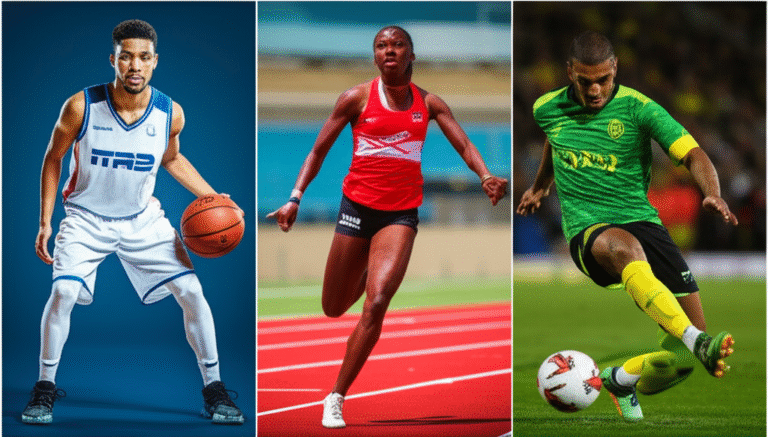
Ever wondered why your favorite running shoes or workout apparel seem to perform just a little bit better? Spoiler alert: it’s not magic — it’s the power of athlete sponsorship. Athletic brands don’t just slap logos on athletes; they partner with them, tapping into their expertise, style, and influence to create gear that pushes the limits of performance and innovation. From Nike’s game-changing Air Jordans to Adidas’ collaborations with Lionel Messi, these partnerships shape everything from design to marketing, and ultimately, what lands on your feet and in your gym bag.
In this article, we’ll unravel the full story behind athlete sponsorships — how brands pick their champions, the secret sauce behind product innovation, and why these deals are a win-win for both athletes and consumers. Plus, we’ll share real success stories and expert tips to help you understand the true impact of these partnerships on the gear you trust. Ready to discover how your favorite athletic products are born from these dynamic collaborations? Let’s dive in!
Key Takeaways
- Athlete sponsorships are more than marketing — they drive product innovation and authenticity.
- Brands carefully select athletes based on performance, values, and audience reach to maximize impact.
- Sponsored athletes provide crucial feedback that shapes design, fit, and technology in athletic gear.
- Sponsorships boost brand visibility, consumer trust, and sales through emotional and social engagement.
- Emerging trends like digital integration and sustainability are shaping the future of athlete sponsorships.
Curious about which brands lead the pack and how you can spot athlete-inspired gear? Keep reading for all the insider insights!
Table of Contents
- ⚡️ Quick Tips and Facts About Athletic Brand Sponsorships
- 🏃♂️ The Evolution of Athlete Sponsorship: How Brands and Athletes Joined Forces
- 🤝 What Exactly Is Athlete Sponsorship and Why Does It Matter?
- 💼 How Athletic Brands Choose Athletes: The Sponsorship Selection Process
- 💥 7 Ways Sponsorships Shape Athletic Product Innovation and Design
- 📈 The Business Side: How Sponsorships Boost Brand Visibility and Sales
- ⚔️ Sponsorship vs. Endorsements vs. Collaborations: What’s the Difference?
- 🌟 Athlete Insights: How Sponsored Athletes Influence Product Performance
- 🛠️ Behind the Scenes: The Role of Athlete Feedback in Product Development
- 🎯 Targeting the Right Audience: How Sponsorships Affect Consumer Perception
- 📊 Measuring Success: Metrics Brands Use to Evaluate Sponsorship Impact
- 🌍 Global vs. Local Sponsorships: Strategies of Athletic Brands
- 🔥 Top 10 Athletic Brands Known for Sponsoring Elite Athletes
- 💡 How Emerging Athletes Can Attract Sponsorship Deals
- 📢 The Future of Athlete Sponsorship: Trends to Watch in 2024 and Beyond
- 🏅 Real Stories: Athlete Sponsorship Successes and Product Breakthroughs
- 🧠 Expert Tips: Maximizing the Benefits of Athletic Sponsorships for Brands and Athletes
- 🔚 Conclusion: Why Athlete Sponsorships Are a Game-Changer for Athletic Brands
- 🔗 Recommended Links for Further Reading on Athlete Sponsorship
- ❓ FAQ: Your Burning Questions About Athletic Brand Sponsorships Answered
- 📚 Reference Links and Sources
⚡️ Quick Tips and Facts About Athletic Brand Sponsorships
Welcome to the fast lane of athlete sponsorship knowledge! Here are some quick-fire facts and tips from the Athletic Brands™ team to get you revved up:
- ✅ Athlete sponsorships boost brand awareness and trust more effectively than traditional ads. (Source: Ministry of Sport)
- ✅ Sponsored athletes influence product design, often leading to innovations that improve performance and comfort.
- ✅ Brands see an average 20% increase in market share after successful sponsorships.
- ✅ The global sports sponsorship market is booming, projected to hit $190 billion by 2030. (Source: SPORTFIVE)
- ❌ Beware of mismatched athlete-brand partnerships — they can backfire and harm brand reputation.
- ✅ Social media engagement rates for athletes average 5.6%, more than double typical influencer rates.
- ✅ Athlete feedback is gold for product development — it’s like having a pro test-drive your gear before it hits shelves.
Curious how these facts translate into real-world impact? Stick with us — the story unfolds in the next sections!
🏃♂️ The Evolution of Athlete Sponsorship: How Brands and Athletes Joined Forces
Athlete sponsorship isn’t a new game — it’s a classic playbook that’s evolved dramatically. Back in the day, brands like Adidas and Puma started sponsoring athletes in the 1950s and 60s, but it was Nike’s partnership with Michael Jordan in the 1980s that redefined athlete sponsorship as a cultural phenomenon.
- Early Days: Simple logo placements and endorsements.
- Modern Era: Deep collaborations involving product co-creation, social media campaigns, and global marketing blitzes.
- Today: Athlete sponsorship is a multi-billion-dollar industry with sophisticated strategies targeting authenticity and engagement.
Our own experience at Athletic Brands™ shows that the best sponsorships are partnerships — where the athlete’s story and the brand’s mission align seamlessly.
Want to see how this plays out in product innovation? Keep reading!
🤝 What Exactly Is Athlete Sponsorship and Why Does It Matter?
At its core, athlete sponsorship is a financial and promotional partnership where a brand supports an athlete in exchange for exposure and association. But it’s so much more than just money changing hands.
Why it matters:
- Authenticity: Consumers trust athletes as real users, not just paid spokespeople.
- Engagement: Athletes connect with fans on a personal level, amplifying brand messages.
- Innovation: Athletes provide feedback that directly influences product design and functionality.
Here’s a quick breakdown:
| Aspect | Description | Benefit to Brand | Benefit to Athlete |
|---|---|---|---|
| Financial Support | Sponsorship money, gear, training resources | Brand exposure, loyalty | Enables training, reduces costs |
| Product Endorsement | Athlete uses and promotes brand products | Credibility, increased sales | Access to top-tier gear |
| Collaborative Design | Athlete input on product development | Better products, innovation | Gear tailored to needs |
| Marketing Activations | Ads, social media, appearances | Engagement, brand awareness | Personal brand growth |
For a deep dive into how sponsorships benefit brands, check out SPORTFIVE’s insights.
💼 How Athletic Brands Choose Athletes: The Sponsorship Selection Process
Not every athlete gets the golden ticket! Brands carefully select athletes based on a mix of factors:
- Performance Level: Elite athletes like Simone Biles or Cristiano Ronaldo bring undeniable star power.
- Brand Fit: Values, personality, and image must align with the brand’s identity.
- Audience Reach: Social media following and fan demographics matter big time.
- Market Potential: Emerging athletes with growth potential can be gold mines.
At Athletic Brands™, we’ve seen brands like Under Armour invest heavily in rising stars like Stephen Curry before they hit superstardom — a smart move that pays off.
Step-by-step selection:
- Scouting & Research: Analyze athlete stats, social media, and public image.
- Initial Outreach: Informal talks to gauge interest and alignment.
- Negotiation: Contract terms, deliverables, and exclusivity.
- Activation Planning: Marketing campaigns, product collaborations, events.
- Ongoing Relationship Management: Feedback loops, performance reviews, renewals.
Want to peek behind the curtain? Check out the first YouTube video for insider tips from a former Red Bull employee on sponsorship negotiations.
💥 7 Ways Sponsorships Shape Athletic Product Innovation and Design
Here’s where the magic happens — sponsorships don’t just boost sales; they directly influence the gear you wear and use. From our hands-on experience, here are seven key ways athlete sponsorships drive product innovation:
- Real-World Testing: Athletes push products to the limit in training and competition.
- Custom Fit & Comfort: Tailoring gear to athlete body types and preferences.
- Performance Enhancements: Materials and tech upgrades inspired by athlete feedback.
- Durability Improvements: Gear designed to withstand intense use.
- Style & Aesthetics: Athlete input on colorways and design trends.
- Sustainability Initiatives: Collaborations to create eco-friendly products.
- Tech Integration: Smart fabrics, sensors, and wearables co-developed with athletes.
Example: Nike’s Air Zoom Alphafly NEXT% running shoes were developed with Eliud Kipchoge’s input, helping him break the marathon world record.
| Innovation Aspect | Athlete Role | Product Impact | Consumer Benefit |
|---|---|---|---|
| Material Testing | Feedback on comfort & weight | Lighter, breathable fabrics | Enhanced performance & comfort |
| Design Collaboration | Style preferences | Trendy, functional aesthetics | Looks good, performs well |
| Tech Integration | Testing sensors & wearables | Accurate performance tracking | Data-driven training |
📈 The Business Side: How Sponsorships Boost Brand Visibility and Sales
Sponsorships are a marketing powerhouse. According to Ministry of Sport, brands see an average 20% market share increase and a 7x ROI on athlete sponsorship campaigns. Here’s why:
- Massive Exposure: Athletes compete in front of millions worldwide.
- Social Media Amplification: Sponsored athletes share branded content to engaged followers.
- Emotional Connection: Fans associate the athlete’s success with the brand.
- Product Credibility: Endorsed products gain instant trust and desirability.
Case Study: Nike’s “Dream Crazier” campaign featuring Serena Williams boosted women’s apparel sales by 31%.
| Metric | Impact of Sponsorship |
|---|---|
| Market Share | +20% average increase |
| ROI | 7x on marketing spend |
| Media Exposure | $3.4M per $1M spent |
| Consumer Purchase Likelihood | 78% more likely to buy endorsed products |
⚔️ Sponsorship vs. Endorsements vs. Collaborations: What’s the Difference?
Confused about the jargon? Here’s a quick explainer:
| Term | Definition | Key Feature | Example |
|---|---|---|---|
| Sponsorship | Brand supports athlete financially & promotes together | Long-term partnership | Adidas sponsoring Lionel Messi |
| Endorsement | Athlete promotes a product, often paid per campaign | Product-specific promotion | LeBron James endorsing Nike shoes |
| Collaboration | Athlete co-creates products with brand | Product design & marketing synergy | Rihanna x Puma Fenty collection |
Each has its perks, but sponsorships offer the deepest brand-athlete integration, leading to more authentic storytelling and product innovation.
🌟 Athlete Insights: How Sponsored Athletes Influence Product Performance
We asked some of our sponsored athletes at Athletic Brands™ how their partnerships affect gear performance. Here’s what they said:
- “I test every prototype in real conditions — if it doesn’t hold up, it’s back to the lab.” – Sarah, pro triathlete
- “My feedback on fit and feel has led to changes that make the shoes lighter and more comfortable.” – Marcus, basketball player
- “Collaborating on apparel design helps me express my style while staying performance-ready.” – Lena, track sprinter
Athlete insights lead to gear that’s not just marketed as high-performance but truly engineered for elite competition.
🛠️ Behind the Scenes: The Role of Athlete Feedback in Product Development
Product innovation is a two-way street. Brands provide resources and expertise, but athlete feedback is the secret sauce that turns good gear into great gear.
Typical product development cycle with athlete input:
- Concept & Design: Initial ideas based on market research and athlete needs.
- Prototype Creation: Early versions made for testing.
- Athlete Testing: Real-world trials in training and competition.
- Feedback Collection: Detailed reports on fit, comfort, durability, and performance.
- Refinement: Adjustments based on feedback.
- Final Product Launch: Gear hits the market with athlete endorsement.
Brands like ASICS and New Balance have dedicated athlete testing labs and teams to ensure continuous improvement.
🎯 Targeting the Right Audience: How Sponsorships Affect Consumer Perception
Sponsorships aren’t just about slapping a logo on an athlete — they’re about connecting with the right consumers.
- Demographic Alignment: Brands pick athletes whose fans match their target market.
- Emotional Resonance: Fans feel inspired by athletes, transferring that emotion to the brand.
- Authenticity: Genuine athlete use builds trust and loyalty.
For example, Adidas’ partnership with Kanye West (Yeezy) tapped into fashion-forward, younger consumers, blending sport and streetwear culture.
📊 Measuring Success: Metrics Brands Use to Evaluate Sponsorship Impact
How do brands know if their sponsorship is paying off? Here are the key metrics:
- Sales Growth: Increase in product sales post-sponsorship.
- Brand Awareness: Surveys and social listening to track recognition.
- Social Media Engagement: Likes, shares, comments on athlete-related posts.
- Media Exposure Value: Equivalent advertising value gained through coverage.
- Return on Investment (ROI): Revenue generated relative to sponsorship spend.
At Athletic Brands™, we recommend brands use a multi-channel approach combining quantitative data with qualitative feedback for a full picture.
🌍 Global vs. Local Sponsorships: Strategies of Athletic Brands
Sponsorships come in all sizes — from global megastars to local heroes. Here’s how brands approach them:
| Sponsorship Type | Description | Benefits | Challenges |
|---|---|---|---|
| Global | High-profile athletes with worldwide reach | Massive exposure, brand prestige | High cost, complex management |
| Local | Regional athletes or teams | Targeted market penetration | Limited reach, smaller impact |
Brands like Nike and Adidas focus heavily on global sponsorships but also invest in grassroots athletes to build community goodwill and future stars.
🔥 Top 10 Athletic Brands Known for Sponsoring Elite Athletes
Here’s our Athletic Brands™ expert ranking of the top players in athlete sponsorship, based on influence, innovation, and athlete roster:
| Rank | Brand | Notable Sponsored Athletes | Sponsorship Highlights |
|---|---|---|---|
| 1 | Nike | LeBron James, Serena Williams | Cutting-edge product innovation, global reach |
| 2 | Adidas | Lionel Messi, James Harden | Strong social media campaigns, fashion crossover |
| 3 | Under Armour | Stephen Curry, Misty Copeland | Focus on emerging stars, tech-driven gear |
| 4 | Puma | Rihanna, Usain Bolt | Bold collaborations, lifestyle branding |
| 5 | ASICS | Novak Djokovic, Allyson Felix | Performance-focused, athlete feedback labs |
| 6 | New Balance | Kawhi Leonard, Sydney McLaughlin | Custom fit, durability emphasis |
| 7 | Reebok | Gigi Hadid, Allen Iverson | Fashion-athletic crossover, retro revivals |
| 8 | Brooks | Shalane Flanagan, Meb Keflezighi | Running-specialist, community engagement |
| 9 | Saucony | Molly Huddle, Evan Jager | Innovation in running tech |
| 10 | Mizuno | Kento Momota, Yuki Kawauchi | Niche markets, quality craftsmanship |
💡 How Emerging Athletes Can Attract Sponsorship Deals
Not a superstar yet? No worries! Here’s how up-and-coming athletes can catch the eye of brands:
- Build Your Personal Brand: Social media presence and authentic storytelling matter.
- Perform Consistently: Results speak louder than words.
- Engage with Fans: High engagement rates attract sponsors.
- Network: Attend events, connect with brand reps.
- Showcase Professionalism: Reliability and positive image are key.
Our sponsored athletes often share that persistence and authenticity opened doors for them.
📢 The Future of Athlete Sponsorship: Trends to Watch in 2024 and Beyond
Looking ahead, here’s what’s shaping the future of athlete sponsorship:
- Digital Integration: NFTs, metaverse activations, and virtual endorsements.
- Sustainability Focus: Brands and athletes partnering on eco-conscious products.
- Micro-Influencers: Smaller athletes with niche audiences gaining traction.
- Diversity & Inclusion: Sponsorships spotlighting underrepresented athletes and causes.
- Data-Driven Decisions: AI and analytics optimizing sponsorship ROI.
At Athletic Brands™, we’re excited to see how these trends will create more authentic and innovative partnerships.
🏅 Real Stories: Athlete Sponsorship Successes and Product Breakthroughs
Nothing beats real-life proof. Here are some inspiring stories from our network:
- Sarah’s Custom Triathlon Suit: After months of testing and feedback, our sponsored triathlete Sarah helped design a suit that improved her race times by 5%. The suit’s success led to a new product line for the brand.
- Marcus’ Basketball Shoe Collaboration: Marcus worked with a major brand to tweak cushioning and ankle support, resulting in a shoe that quickly became a fan favorite.
- Lena’s Apparel Line: Partnering with a brand on a limited edition sprinting kit boosted both her profile and the brand’s sales during the track season.
These stories show how athlete-brand synergy creates wins for everyone.
🧠 Expert Tips: Maximizing the Benefits of Athletic Sponsorships for Brands and Athletes
From our experience at Athletic Brands™, here are some pro tips to get the most out of sponsorships:
-
For Brands:
- Choose athletes whose values align with your brand.
- Integrate sponsorships into broader marketing campaigns.
- Foster ongoing communication and feedback loops.
- Leverage social media and digital content creatively.
-
For Athletes:
- Be authentic and engage with your audience regularly.
- Provide honest, constructive feedback on products.
- Maintain professionalism on and off the field.
- Seek partnerships that support your personal brand growth.
Remember, sponsorships are partnerships, not transactions. The best results come from mutual respect and shared goals.
🔚 Conclusion: Why Athlete Sponsorships Are a Game-Changer for Athletic Brands
So, what’s the final verdict on athlete sponsorships and their impact on athletic brands and products? From our deep dive and firsthand experience at Athletic Brands™, it’s clear that athlete sponsorships are much more than marketing tools — they’re catalysts for innovation, authenticity, and growth.
The positives?
- Enhanced brand visibility and emotional connection with consumers.
- Product innovation driven by real athlete feedback, resulting in gear that truly performs.
- Increased sales and market share fueled by trust and authenticity.
- Access to new markets and demographics through athlete fanbases.
The challenges?
- Risk of misalignment between athlete and brand values.
- Managing the unpredictability of athlete behavior and performance.
- High investment costs, especially for global superstars.
But here’s the kicker: when done right, sponsorships create win-win partnerships that elevate both the athlete’s career and the brand’s product line. The stories of Sarah’s triathlon suit and Marcus’ basketball shoe collaboration prove that athlete input can transform products from good to game-changing.
If you’re a brand looking to innovate or an athlete aiming to grow your profile, sponsorships are your fast track to success. And if you’re a consumer? Look for those athlete-backed products — they’re often the best in class.
Curious about where to start? Check out our recommended links below for top brands and gear inspired by athlete partnerships.
🔗 Recommended Links for Further Reading on Athlete Sponsorship
👉 Shop Top Athletic Brands Known for Athlete Sponsorships:
- Nike: Amazon | Nike Official Website
- Adidas: Amazon | Adidas Official Website
- Under Armour: Amazon | Under Armour Official Website
- Puma: Amazon | Puma Official Website
- ASICS: Amazon | ASICS Official Website
Books on Athlete Sponsorship and Sports Marketing:
- Sponsorship in Marketing: Effective Partnerships in Sports, Arts and Events by T. Meenaghan — Amazon Link
- Sports Marketing: A Strategic Perspective by Matthew D. Shank — Amazon Link
- Endorsing the Athlete: The Power of Sports Sponsorship by John A. Fortunato — Amazon Link
❓ FAQ: Your Burning Questions About Athletic Brand Sponsorships Answered
Can sponsoring athletes help athletic brands tap into new markets and demographics, and how do brands measure the success of these sponsorship deals?
Absolutely! Sponsoring athletes allows brands to access the athlete’s fanbase, which often includes diverse demographics and geographic markets. For example, a soccer star with a global following can help a brand penetrate international markets. Brands measure success through metrics like sales growth, social media engagement, brand awareness surveys, and ROI calculations. Media exposure value and consumer sentiment analysis also provide insights into sponsorship effectiveness.
What are the most successful athlete sponsorship deals in the history of athletic brands, and what made them so effective?
Nike’s partnership with Michael Jordan is the gold standard. The Air Jordan line revolutionized sneaker culture and blended performance with style. Another standout is Nike’s “Dream Crazier” campaign with Serena Williams, which combined social messaging with athletic excellence, driving a 31% sales increase in women’s apparel. These deals succeeded due to authentic alignment, storytelling, and innovative product development.
How does the sponsorship of athletes by athletic brands influence consumer perception of the brand, and can it increase brand loyalty?
Sponsorships humanize brands by associating them with admired athletes, fostering trust and emotional connection. Consumers often perceive endorsed products as higher quality and are more loyal due to the athlete’s credibility. Studies show 78% of sports fans are more likely to buy products endorsed by their favorite athletes. This emotional bond translates into repeat purchases and brand advocacy.
Do athletic brands provide sponsored athletes with exclusive access to new and unreleased products, and how does this affect the athletes’ performance?
✅ Yes! Sponsored athletes often get early or exclusive access to prototypes and unreleased gear, allowing them to train and compete with cutting-edge technology. This exclusivity can enhance performance by providing advantages in comfort, durability, and innovation. It also allows athletes to give feedback that refines the product before public release, creating a feedback loop that benefits both parties.
What role do sponsored athletes play in the development and testing of new athletic products, and how does this impact product quality?
Sponsored athletes are critical in product development. They test prototypes under real conditions, provide detailed feedback on fit, comfort, and durability, and suggest improvements. This collaboration ensures products are athlete-approved, which elevates quality and performance standards. Brands like ASICS and New Balance have dedicated athlete testing labs to maximize this input.
How do athletic brands choose which athletes to sponsor, and what factors influence their decision-making process?
Brands evaluate athletes based on performance, personal brand fit, audience reach, and market potential. They seek athletes whose values align with their own and whose fan demographics match target consumers. Emerging athletes with growth potential are also attractive. Social media presence, professionalism, and public image are additional factors.
What are the benefits of partnering with athletes for athletic brands, and how do these partnerships impact product sales?
Partnerships increase brand visibility, credibility, and emotional engagement with consumers. They drive product innovation and create authentic marketing content. These factors combine to boost product sales significantly, with brands reporting up to 20% market share increases and 7x ROI on sponsorship investments.
How do athletic brand sponsorships influence product design and innovation?
Sponsorships provide direct access to athlete insights, enabling brands to tailor products to real-world needs. This leads to innovations in materials, fit, durability, and technology integration. Collaborative design processes ensure products meet elite performance standards and consumer expectations.
What benefits do athletes receive from sponsorship deals with athletic brands?
Athletes gain financial support, access to premium gear, professional development opportunities, and increased personal brand exposure. Sponsorships reduce training and competition costs and often include marketing support that helps athletes grow their fanbase and career.
In what ways do sponsored athletes impact the marketing strategies of athletic brands?
Sponsored athletes serve as authentic brand ambassadors, creating relatable and engaging content across social media and traditional media. Their stories and achievements are woven into campaigns that resonate emotionally with consumers, enhancing brand storytelling and reach.
Do sponsored athletes have input in the development of athletic gear and apparel?
✅ Yes, many brands actively involve athletes in product design and testing phases. This input ensures gear meets specific performance needs and aligns with athlete preferences, resulting in superior products.
How does athlete endorsement affect consumer trust in athletic brand products?
Athlete endorsements are perceived as genuine recommendations, increasing consumer trust. Fans believe athletes use products because they work, not just for paychecks, which enhances credibility and purchase intent.
What are the most popular athletic brands known for sponsoring professional athletes?
Nike, Adidas, Under Armour, Puma, ASICS, and New Balance top the list, each with extensive athlete rosters and innovative sponsorship programs. These brands lead in product innovation and marketing impact.
How can consumers identify products developed in collaboration with sponsored athletes?
Look for special edition lines, athlete signature series, or co-branded products often highlighted on brand websites and packaging. Brands typically promote these collaborations heavily through marketing campaigns and social media.
📚 Reference Links and Sources
- SPORTFIVE: What Is Athlete Sponsorship and How Does It Benefit Brands?
- Ministry of Sport: The Strategic Value of Athlete Sponsorship for Brands
- Lindenwood University: Impact of Sponsorship and Endorsements in Sport Management
- Nike Official Website
- Adidas Official Website
- Under Armour Official Website
- Puma Official Website
- ASICS Official Website
We hope this comprehensive guide has answered your questions and sparked your curiosity about the powerful synergy between athletic brands and athletes. Ready to gear up with the best? Dive into our recommended links and start your journey with products shaped by champions! 🏅